Introduction to Machine Learning
Introduction to Machine Learning
Learning from Data
Machine learning is a way for computers to learn from information without being explicitly programmed. Think of it like teaching a child. You don't write a long list of rules for every possible situation. Instead, you show them examples, and they start to figure out the patterns on their own.
Traditionally, a programmer would write specific instructions for a computer to follow. To identify a cat in a photo, they might write code that says, "If it has pointy ears, and whiskers, and fur, it's probably a cat." But that's brittle. What about a cat with folded ears? Or a blurry photo?
Machine learning takes a different approach. We show the computer thousands of photos, some labeled "cat" and others labeled "not a cat." The machine learning model then learns the features that define a cat on its own. This ability to learn from data is what makes it so powerful. It's a subfield of Artificial Intelligence, allowing systems to improve automatically with experience.
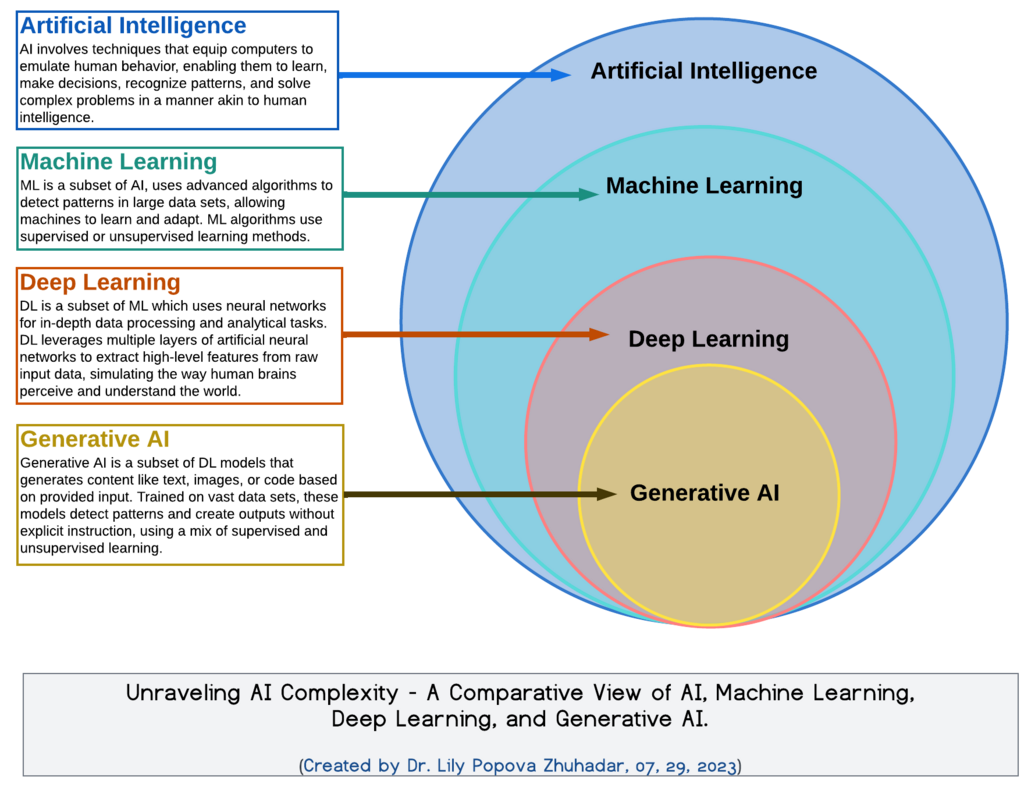
This learning process isn't one-size-fits-all. Depending on the task and the type of data available, machines can learn in a few different ways.
Three Ways Machines Learn
The most common approach is called supervised learning. The name gives a clue: the machine learns under supervision. It's trained on a dataset where the "right answers" are already provided. Each piece of data is labeled.
Imagine teaching a computer to recognize spam emails. You would feed it a massive dataset of emails, each one labeled as either "spam" or "not spam." The model analyzes these examples and learns the patterns associated with junk mail, like certain keywords or suspicious links. After training, it can look at a new, unlabeled email and predict whether it's spam.
Supervised learning uses labeled data to make predictions.
What if you don't have labeled data? That's where unsupervised learning comes in. In this case, the machine is given a dataset and has to find the patterns and structures all on its own, without any labels to guide it.
Think of it like being given a box of assorted fruits and being asked to sort them. You might not know the names of the fruits, but you can group them by color, size, and shape. Unsupervised learning does something similar. A common use is customer segmentation, where a model groups customers with similar purchasing habits, helping businesses create targeted marketing campaigns.
The third type is reinforcement learning. This is all about learning through trial and error. An algorithm, often called an "agent," learns to make decisions by performing actions in an environment to achieve a goal. When it takes an action that gets it closer to the goal, it receives a reward. When it makes a mistake, it gets a penalty.
It’s like training a dog. You reward it for good behavior and discourage bad behavior. Over time, the dog learns which actions lead to treats. Reinforcement learning is the foundation for training computers to play complex games like Chess or Go, and it's also critical for developing self-driving cars, which must constantly make decisions based on road conditions.
| Learning Type | Data | Goal | Example |
|---|---|---|---|
| Supervised | Labeled | Predict outcomes | Spam detection |
| Unsupervised | Unlabeled | Find hidden patterns | Customer groups |
| Reinforcement | No initial data | Maximize reward | Game playing AI |
Machine Learning in Your Daily Life
You probably use machine learning every day without even realizing it. When Netflix suggests a movie you might like, or Spotify creates a personalized playlist for you, that's machine learning at work. These recommendation engines analyze your past behavior and compare it to millions of other users to predict what you'll enjoy next.
Other examples are all around us:
- Voice Assistants: When you talk to Siri or Alexa, machine learning models process your speech, understand the request, and find an answer.
- Fraud Detection: Banks use ML to analyze transactions in real-time. It flags activity that looks unusual for your account, like a purchase in a different country, helping to prevent fraud.
- Medical Imaging: In healthcare, machine learning helps doctors analyze medical images like X-rays and MRIs, spotting signs of diseases like cancer that might be missed by the human eye.