Introduction to Machine Learning
Introduction to Machine Learning
What Is Machine Learning?
Machine learning is a way of teaching computers to find patterns in data. Instead of writing explicit, step-by-step instructions for a task, we let the computer figure out its own method by learning from examples.
Think about how you learned to identify a dog. You weren't given a long list of rules like "if it has four legs, fur, and a tail, it's a dog." You just saw lots of dogs. Your brain automatically learned the patterns. Machine learning works in a similar way. An algorithm is shown thousands of pictures labeled "dog," and it learns the features that make a dog a dog.
This ability to learn from data is what powers many things you use daily. It's how your email filters junk, how streaming services recommend your next favorite show, and how your phone recognizes your face.
The Main Approaches
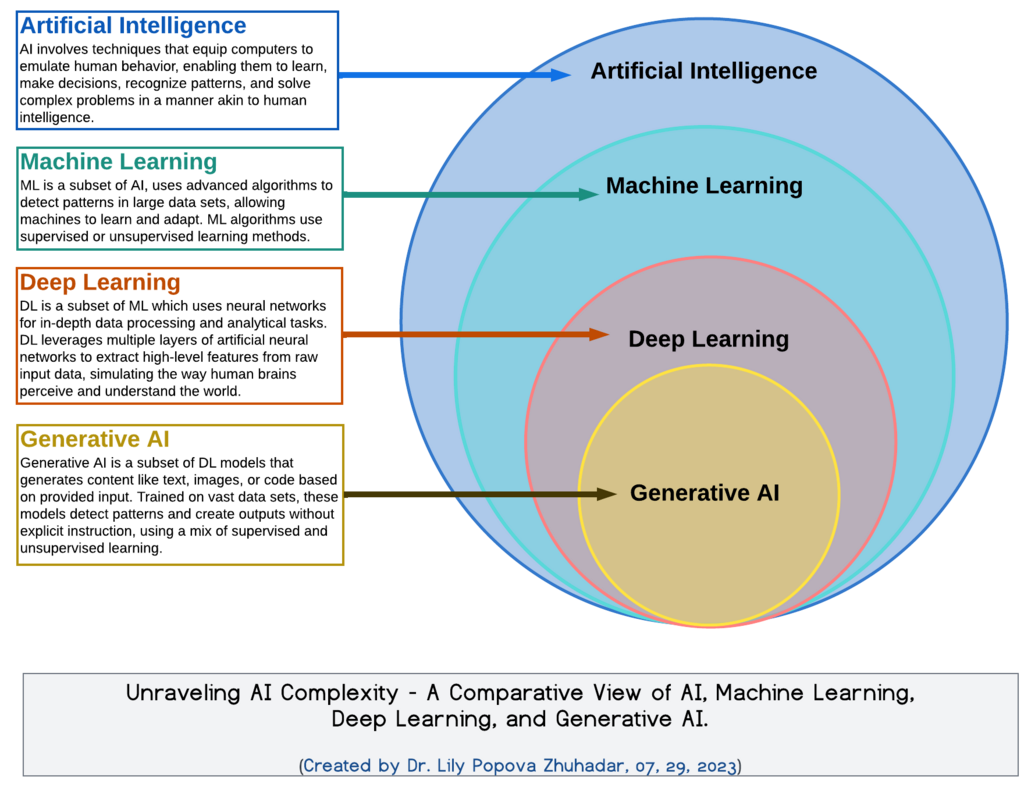
Machine learning isn't a single technique but a broad field with several different approaches. The three main types are supervised, unsupervised, and reinforcement learning. The key difference between them is the kind of data they learn from and the feedback they receive.
- Supervised Learning: The computer learns from data that has been labeled with the correct answers, like a student studying with a teacher and an answer key.
- Unsupervised Learning: The computer gets data with no labels and must find patterns or structures on its own, like a detective looking for clues without knowing what crime was committed.
- Reinforcement Learning: The computer learns by taking actions and receiving rewards or penalties, like training a pet with treats for good behavior.
Supervised Learning
In supervised learning, the goal is to predict an outcome based on input data. The "supervision" comes from the labeled dataset used to train the algorithm. Each piece of data is tagged with the correct output or label.
Imagine you want to build a model that predicts whether a plant is a rose or a daisy. You would start with a dataset of hundreds of images. Each image would be labeled as either "rose" or "daisy." The algorithm studies these examples to learn the visual differences—petal shape, color, leaf structure—associated with each label. After training, when you show it a new, unlabeled picture of a flower, it can predict which one it is based on the patterns it learned.
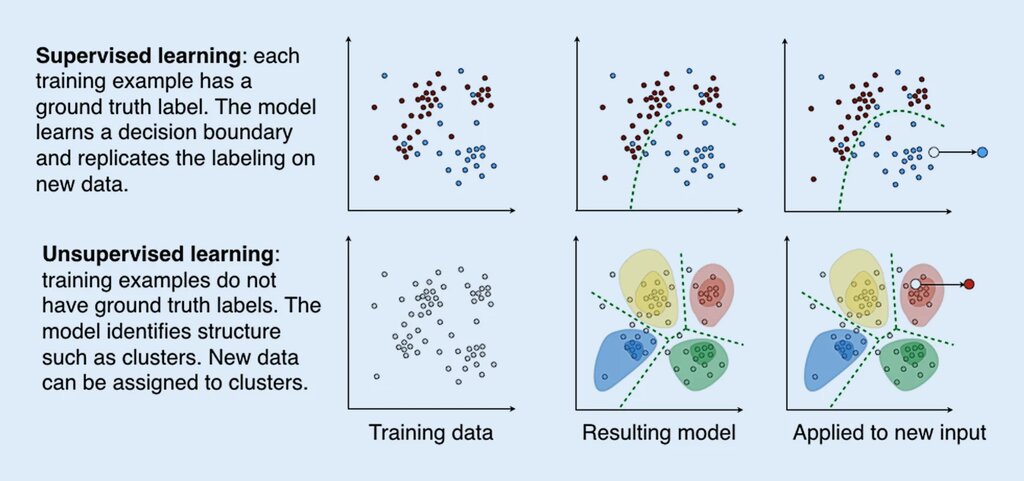
This is the most common type of machine learning. It's used for tasks like predicting house prices based on features like square footage and location, or identifying fraudulent credit card transactions based on past spending patterns.
The core idea is simple: learn a mapping from inputs to outputs based on a set of examples.
Unsupervised Learning
What if you don't have labeled data? That's where unsupervised learning comes in. This approach is all about exploring data to find hidden structures or relationships without any pre-existing labels to guide the process.
For example, a marketing company might have a large database of customer information, like their purchase history and browsing behavior. They don't have pre-defined categories for these customers. By applying an unsupervised learning algorithm, they can automatically group customers into segments with similar behaviors. This might reveal a group of "budget-conscious shoppers" and another of "brand loyalists," allowing the company to tailor its marketing strategies.
Another common use is anomaly detection, where the algorithm identifies data points that don't fit the normal pattern—like an unusual server log that could signal a security threat.
The goal is to discover the underlying structure of the data itself.
Both supervised and unsupervised learning are powerful tools. The choice between them depends entirely on the data you have and the problem you're trying to solve.
Ready to check your understanding?
What is the primary difference between machine learning and traditional programming?
An email service learns to identify junk mail by analyzing thousands of emails that users have already marked as "spam" or "not spam." Which type of machine learning is this?
Understanding these core concepts is the first step. Next, we'll look at the specific algorithms used in supervised and unsupervised learning.