Introduction to Machine Learning
Introduction to Machine Learning
What Is Machine Learning?
Machine learning is a way of teaching computers to find patterns. Instead of giving the computer a detailed set of instructions for every single task, you give it a lot of data. The computer then learns from that data how to do the task on its own.
Think about how you learned to recognize a cat. No one gave you a rulebook that said, "If it has pointy ears, whiskers, fur, and meows, it's a cat." You just saw lots of cats, and eventually, your brain figured out the pattern. Machine learning works in a similar way. An algorithm sifts through thousands of cat photos to learn what a cat looks like, so it can spot one in a new picture.
Machine learning enables a system to learn from data rather than through explicit programming.
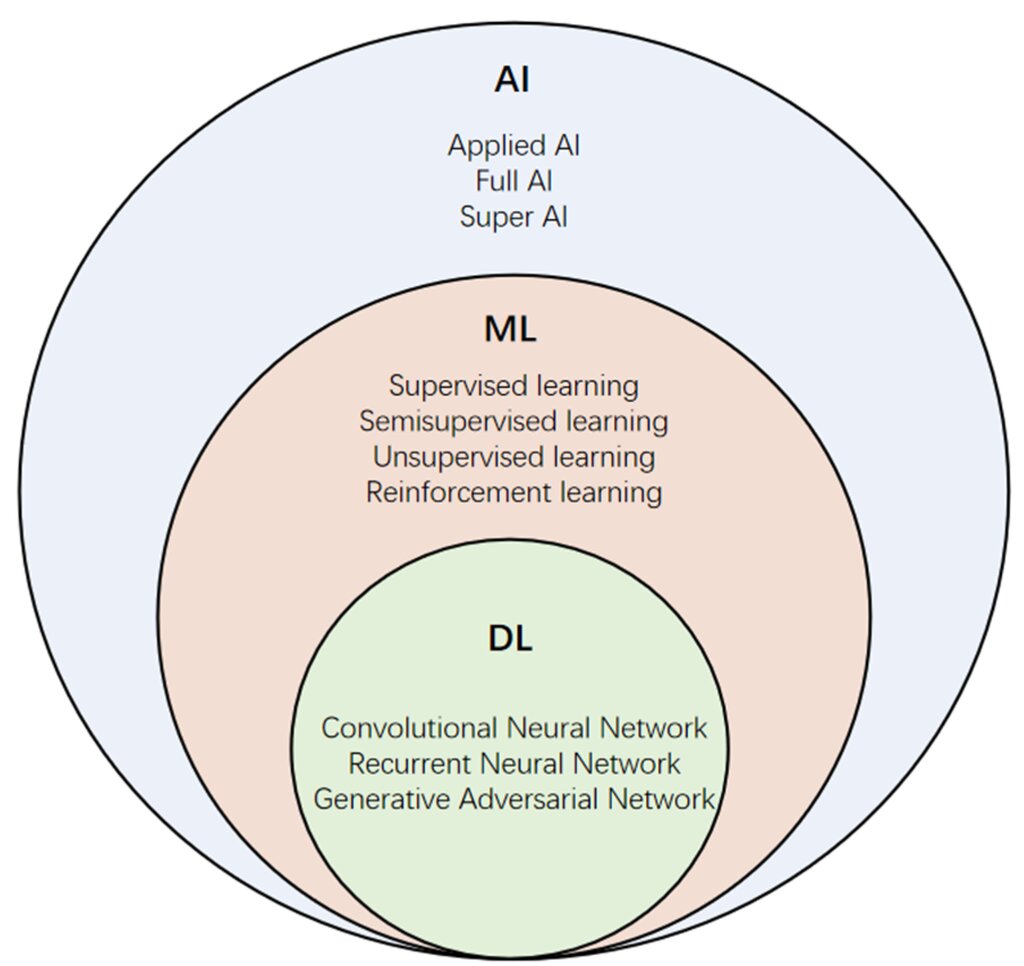
This ability to learn is what powers many of the tools you use every day, from spam filters in your email to the recommendations you see on streaming services.
The Three Main Flavors
Machine learning isn't just one single technique. It's a broad field with several different approaches. The three most common types are supervised, unsupervised, and reinforcement learning. Each is suited for different kinds of problems.
Supervised Learning: Learning with an Answer Key
Supervised learning is like studying for a test with flashcards. You have the question (the data) and the correct answer (the label). The goal is for the machine learning model to learn the relationship between the data and its label.
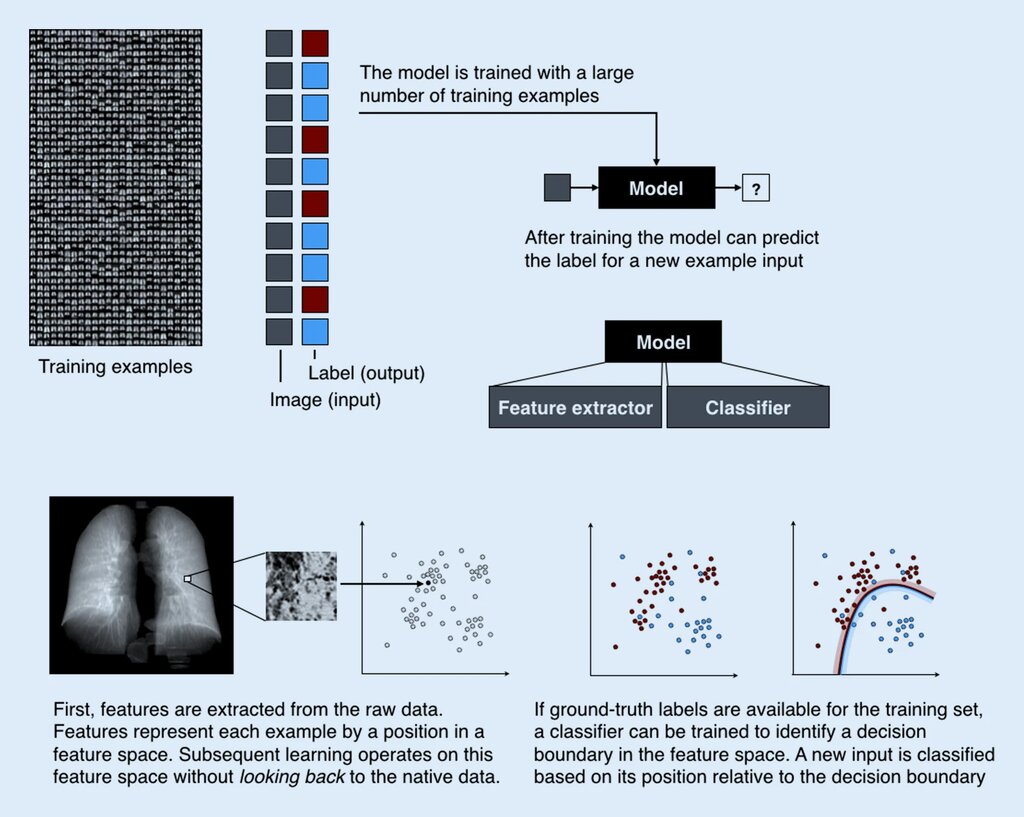
For example, to build a spam detector, you would feed the model thousands of emails that have already been labeled as either "spam" or "not spam." The model learns the characteristics of spam emails (like certain words or sender patterns) so it can classify new, incoming emails correctly. Predicting house prices based on features like square footage and location is another classic example.
Unsupervised Learning: Finding Patterns on Its Own
With unsupervised learning, there are no labels. The model gets a jumble of data and has to find the hidden structures and patterns all by itself. It's like being given a box of mixed Lego bricks and asked to sort them into groups without any instructions. You might group them by color, size, or shape.
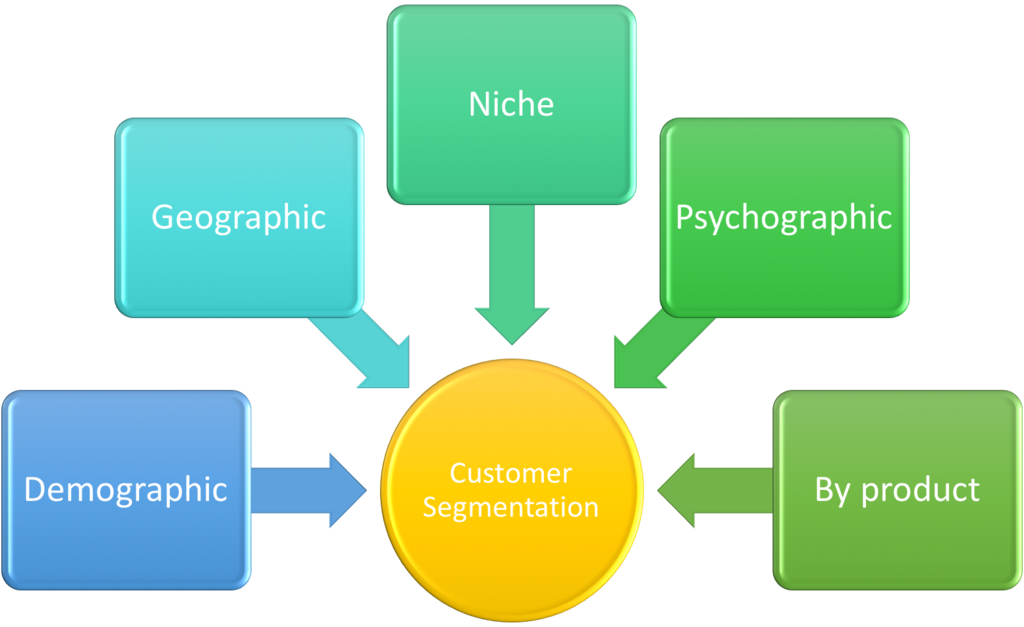
A common application is customer segmentation. A company might use unsupervised learning to group its customers based on their purchasing habits. This helps them understand their audience better and create targeted marketing campaigns, without knowing the group definitions ahead of time.
Reinforcement Learning: Learning from Trial and Error
Reinforcement learning is about learning through experience. An algorithm, or "agent," learns to make decisions by performing actions and getting feedback in the form of rewards or penalties. It's similar to how you might train a dog: you give it a treat for a good behavior and a firm "no" for a bad one.
The goal is for the agent to figure out the best strategy to maximize its total reward over time. This approach is powerful for teaching machines to play complex games like chess or Go, and it's also a key technology behind self-driving cars and robotics.
Quick Comparison
| Learning Type | How It Learns | Key Idea | Example |
|---|---|---|---|
| Supervised | Labeled Data | Learning from examples with correct answers | Spam detection |
| Unsupervised | Unlabeled Data | Finding hidden patterns and structures | Customer segmentation |
| Reinforcement | Trial and Error | Learning through rewards and penalties | Game-playing AI |
Time to check your understanding of these core concepts.
What is the fundamental difference between machine learning and traditional programming?
You have a large dataset of emails, and each one has been manually marked as either 'spam' or 'not spam'. You want to train a model to automatically classify new, incoming emails. Which type of machine learning is best suited for this task?