Introduction to Machine Learning
Introduction to Machine Learning
What Is Machine Learning?
Machine learning is a way of teaching computers to find patterns. Instead of writing explicit, step-by-step instructions for every task, we give a machine learning model a vast amount of data and let it figure out the rules on its own. It's like how a child learns to identify a cat. You don't list all the rules—pointy ears, whiskers, a tail. You just show them lots of pictures of cats, and eventually, they learn to recognize one.
At its core, machine learning is about using data to answer questions.
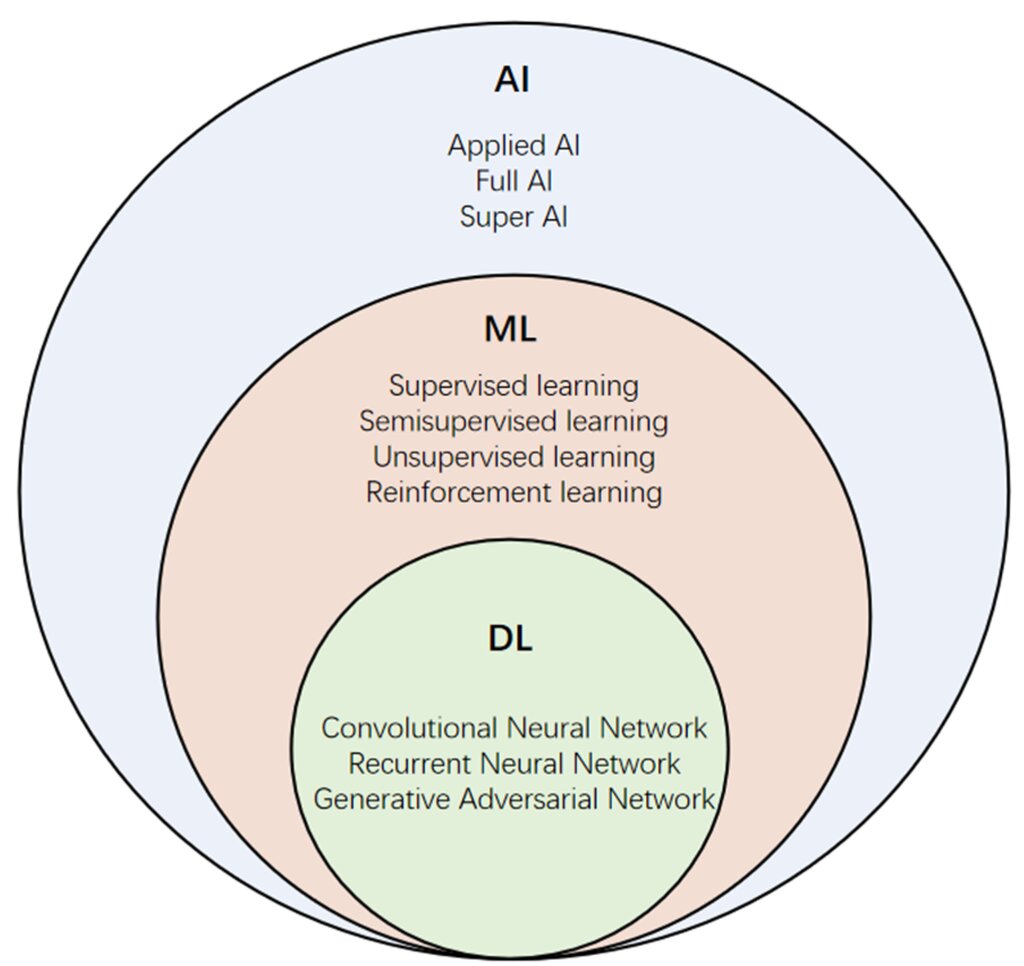
This ability is what powers many of the tools we use every day. When a streaming service recommends a new show, that's machine learning. When your phone's camera automatically improves a photo, that's machine learning, too. It’s a subfield of Artificial Intelligence (AI) that gives systems the ability to automatically learn and improve from experience.
The Three Main Flavors
Machine learning isn't a single technique; it's a broad field with several different approaches. The three most common types are supervised, unsupervised, and reinforcement learning. Think of them as three different ways of teaching.
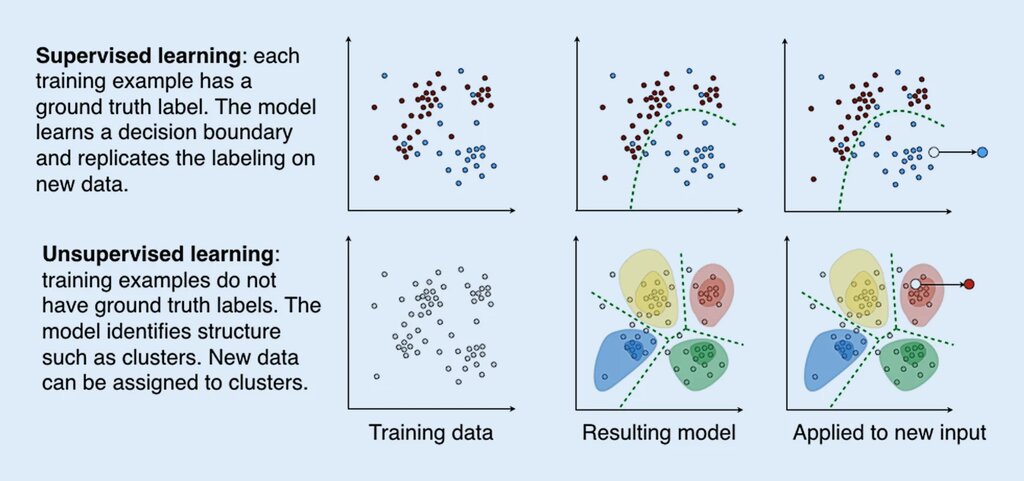
Supervised learning is like studying with flashcards that have the answers on the back. The model is given a dataset where each piece of data is labeled with the correct outcome. The goal is for the model to learn the relationship between the inputs and the outputs so it can predict outcomes for new, unseen data.
A classic example is email spam filtering. A model is trained on thousands of emails that have already been labeled as either "spam" or "not spam." After learning from these examples, it can predict whether a new, incoming email is spam.
Unsupervised learning is like being given a huge pile of photos of different animals and being asked to sort them into groups without any prior knowledge of species. The data has no labels. The model's job is to explore the data and find hidden patterns or structures on its own.
Businesses use this for customer segmentation. An algorithm might group customers based on their purchasing behavior, revealing distinct market segments that the company didn't know existed. This helps in creating targeted marketing campaigns.
Reinforcement learning is about learning through trial and error. An algorithm, often called an "agent," learns to make decisions by performing actions in an environment to achieve a goal. For every action, it receives feedback in the form of a reward or a penalty.
This is the method used to train computers to play complex games like Go or chess. The agent plays millions of games, slowly learning which moves lead to a higher chance of winning (a reward) and which ones lead to losing (a penalty). Self-driving cars also use reinforcement learning to make decisions like when to accelerate, brake, or turn.
| Type | Data Used | Goal | Real-World Example |
|---|---|---|---|
| Supervised | Labeled | Predict outcomes | Spam detection |
| Unsupervised | Unlabeled | Discover patterns | Customer segmentation |
| Reinforcement | None (learns via interaction) | Maximize rewards | Game-playing AI |
A Brief History
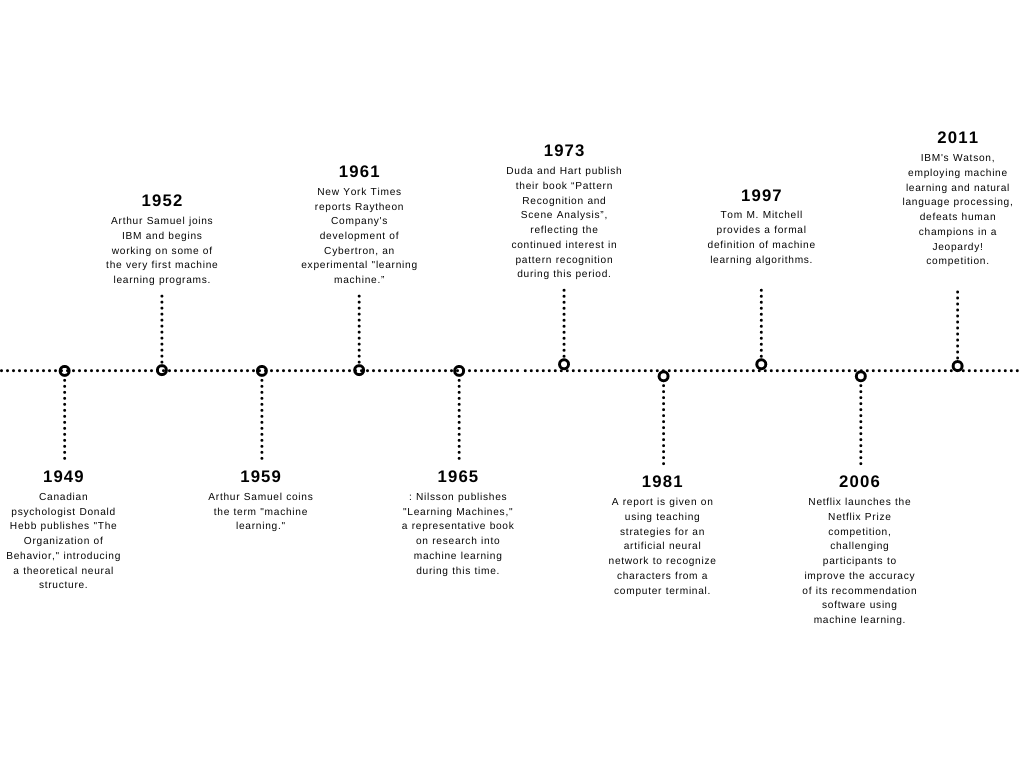
The ideas behind machine learning aren't new. The term itself was coined by Arthur Samuel in 1959, an IBM pioneer who created a checkers program that could learn from its mistakes and improve its gameplay over time. Early work in the field was largely theoretical, limited by the high cost and low power of computers.
Things began to change in the 1990s as computing power grew and more data became available. The rise of the internet created massive datasets, providing the fuel that modern machine learning algorithms need. This led to breakthroughs in everything from search engines and e-commerce to medical diagnostics and scientific research.
Today, machine learning is one of the fastest-growing fields in technology. It's transforming entire industries by automating tasks, uncovering insights from complex data, and enabling innovations that were once the stuff of science fiction.
Let's check your understanding of these core concepts.
Which of the following best describes the core idea of machine learning?
A hospital wants to build a system to detect tumors in X-ray images. They have a massive dataset of X-rays that have already been labeled by radiologists as either 'tumor present' or 'tumor absent'. Which type of machine learning is most appropriate for this task?