Introduction to Machine Learning
Introduction to Machine Learning
What Is Machine Learning?
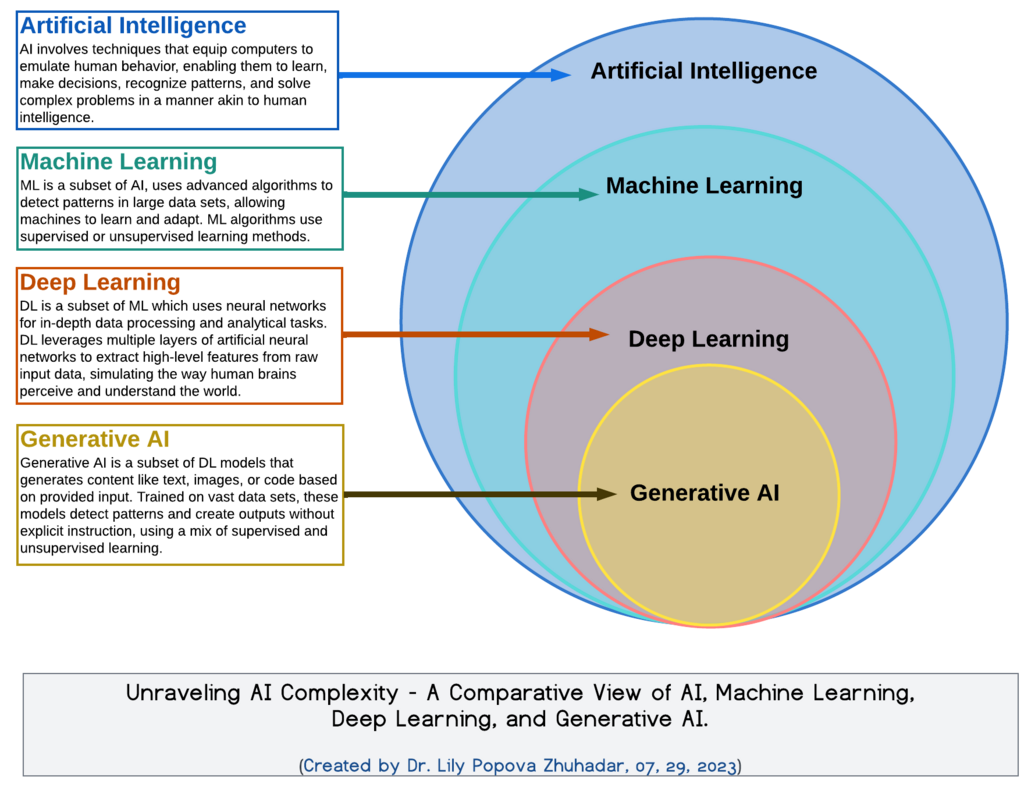
Machine learning is a way of teaching computers to find patterns. Instead of writing explicit, step-by-step instructions for every task, we give the computer a large amount of data and let it learn for itself. It's like teaching a child to recognize a cat. You don't describe a cat by its features—whiskers, pointy ears, a tail. You just show them lots of pictures of cats. Eventually, they learn to identify a cat they've never seen before.
This ability to learn from data is what makes machine learning so powerful. It's the engine behind many things you use every day. When your email service automatically filters out spam, that's machine learning. When a streaming service recommends a movie you might like, that's also machine learning. It's used in everything from medical diagnoses and stock market predictions to the voice assistant on your phone.
Three Ways to Learn
Not all machine learning is the same. There are three primary ways a machine can learn, each suited for different kinds of problems. These are supervised learning, unsupervised learning, and reinforcement learning.
Think of it like this: supervised learning is like studying with a teacher who gives you an answer key. Unsupervised learning is like being given a box of mixed-up puzzle pieces with no picture to guide you. And reinforcement learning is like teaching a dog a new trick with treats for good behavior and nothing for bad behavior.
Supervised Learning
Supervised learning uses labeled data to train a model. This means that for every piece of data, we already know the correct output or 'answer.' The goal is for the model to learn the relationship between the inputs and the outputs so it can make accurate predictions for new, unseen data.
For example, to train a model to identify spam emails, you would feed it thousands of emails that have already been labeled as either 'spam' or 'not spam'.
The model analyzes these examples and learns the features that are common in spam emails, such as certain keywords or sender patterns. After training, when a new email arrives, the model can predict whether it's spam based on what it learned. Predicting house prices is another common example, where the model learns from a dataset of houses with known features (square footage, number of bedrooms) and their final sale prices.
Unsupervised Learning
What if you don't have labeled data? That's where unsupervised learning comes in. With this method, the model is given a dataset without any explicit instructions on what to do with it. Its task is to find the hidden patterns, structures, or groupings within the data on its own.
Imagine a company with millions of customers. They could use unsupervised learning to automatically group customers into segments based on their purchasing habits. The model might identify a group of 'frequent shoppers,' another of 'deal seekers,' and a third of 'occasional buyers,' all without being told to look for these specific categories. This helps businesses understand their customers better and tailor their marketing efforts.
The key difference is the data: supervised learning uses a labeled dataset (with an 'answer key'), while unsupervised learning uses an unlabeled dataset and must find the structure itself.
These foundational concepts are the starting point for understanding how machines can learn from experience. By choosing the right approach, we can build systems that solve complex problems and discover insights hidden within vast amounts of data.