Introduction to Machine Learning
Introduction to Machine Learning
What is Machine Learning?
Machine learning is a way of teaching computers to find patterns. Instead of giving the computer a detailed set of instructions for every single task, we give it a lot of data and let it learn for itself. It’s a bit like how a child learns to recognize a dog. You don't describe every possible dog breed. Instead, you point out different dogs, and eventually, the child learns the general 'dog' pattern.
Machine learning enables a computer system to make predictions or decisions based on data, without being explicitly programmed.
This ability is incredibly powerful. Humans are good at spotting patterns, but we have our limits. Machine learning can analyze massive, complex datasets—from medical records to stock market trends—and uncover insights that would be impossible for a person to find. This is why it's used everywhere, from filtering spam out of your inbox to helping doctors diagnose diseases earlier.
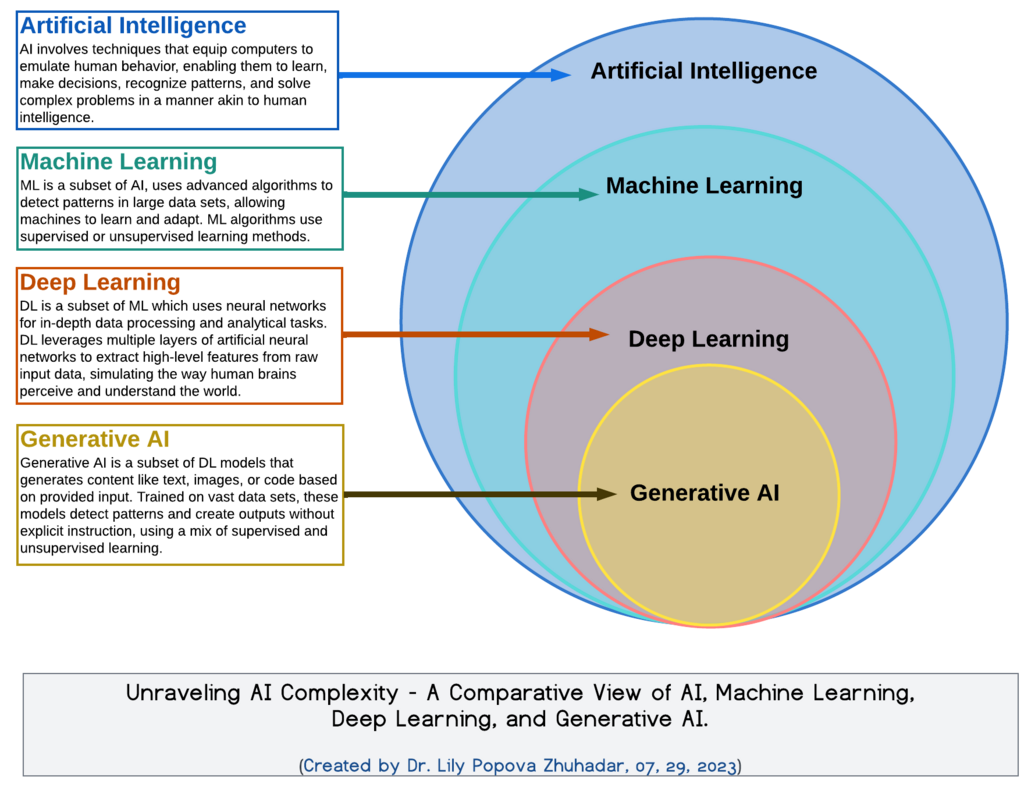
How Does a Machine Learn?
Just as people have different methods for learning, machines also have several ways to learn from data. The method we choose depends on the problem we're trying to solve and the type of data we have. The three main types are supervised, unsupervised, and reinforcement learning.
Supervised Learning
Supervised learning is like studying with an answer key. The machine is given a dataset where the 'right answers' are already labeled. The goal is for the machine to learn the relationship between the data and its labels so it can make accurate predictions on new, unlabeled data.
Imagine you want to teach a computer to identify pictures of cats. You would feed it thousands of images, each one labeled 'cat' or 'not cat'. The algorithm studies these examples and learns the features that define a cat—whiskers, pointy ears, fur patterns, and so on. After enough training, it can correctly identify a cat in a new photo it has never seen before.
This is the most common type of machine learning. It's used for tasks like predicting house prices based on features like square footage and location, or determining if an email is spam.
Unsupervised Learning
What if you don't have an answer key? That’s where unsupervised learning comes in. With this method, the machine is given data without any labels and must find patterns or structures on its own. It's like being handed a box of mixed Lego bricks and asked to sort them into piles without being told what the categories are. You might group them by color, size, or shape.
A common application is customer segmentation. An online store can use unsupervised learning to analyze customer purchase data and discover natural groupings, like 'budget shoppers', 'brand-loyal customers', or 'weekend browsers'. The store can then create targeted marketing campaigns for each group.
Streaming services also use this method. To recommend a new show, they analyze your viewing history and find other users with similar tastes. The system doesn't know why you like certain shows, it just knows that people who watch show A also tend to watch show B.
Reinforcement Learning
Reinforcement learning is about learning through trial and error. It’s similar to how you might train a dog to do a trick. When the dog performs the correct action, you give it a treat (a reward). When it does the wrong thing, it gets nothing. Over time, the dog learns to perform the action that maximizes its rewards.
In this model, a software 'agent' operates in an environment. The agent takes actions, and the environment gives back a reward or a penalty. The agent's goal is to figure out the best sequence of actions to take to get the highest possible cumulative reward.
This is the strategy used to train computers to play complex games like Go or chess. The agent plays millions of games against itself, learning which moves lead to a win (reward) and which lead to a loss (penalty). It's also critical for robotics, where a robot learns to walk or pick up an object by trying different movements and getting feedback on its success.
So whether it's learning from a perfect guide, finding patterns on its own, or learning from its mistakes, machine learning gives computers a way to solve problems and adapt in ways that are powerful and new.
Let's test your understanding of these foundational ideas.
What is the primary difference between machine learning and traditional programming?
A bank wants to group its customers into different segments based on their transaction history, without any predefined categories. Which type of machine learning would be most suitable for this task?
You now have a solid overview of what machine learning is and the three main ways it works. Each approach has its own strengths and is suited for different kinds of problems.