Introduction to Machine Learning
Introduction to Machine Learning
What Is Machine Learning?
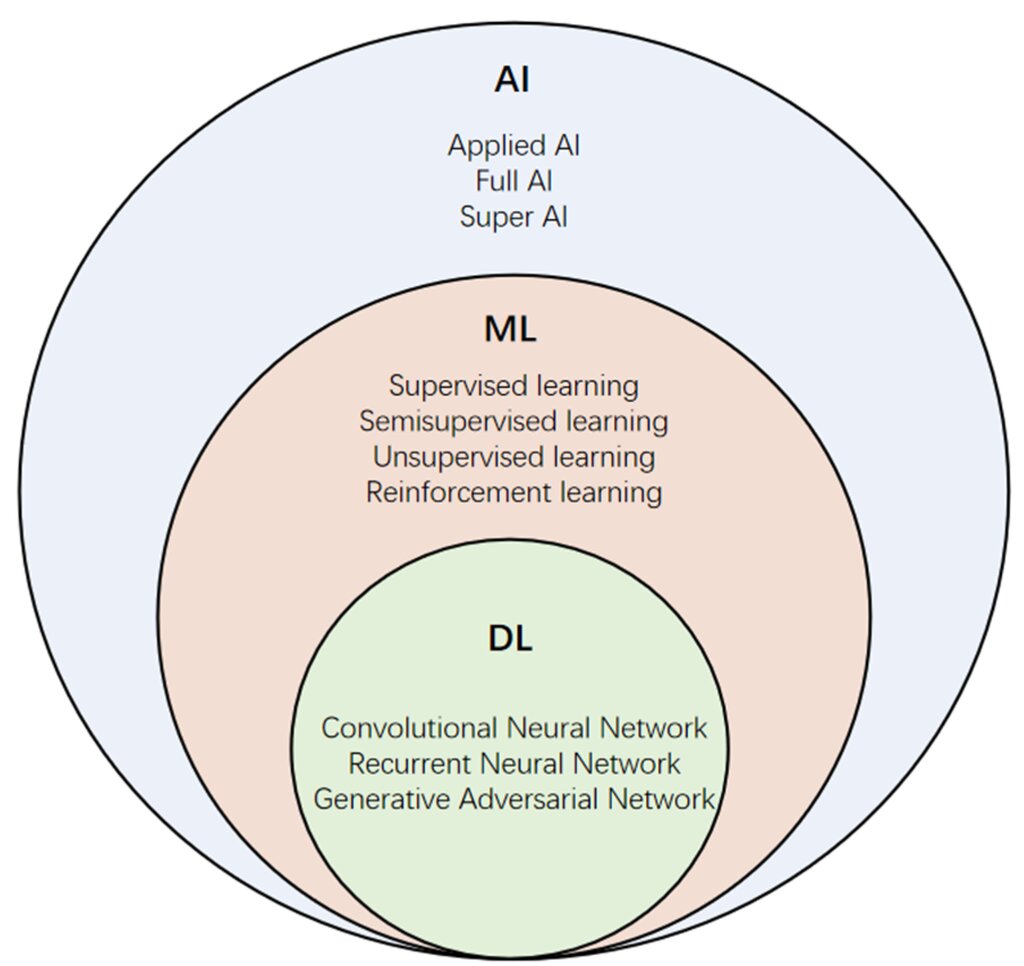
At its core, machine learning (ML) is a way of teaching computers to learn from data and make decisions or predictions. Instead of writing a fixed set of rules for a computer to follow, we give it a model and lots of examples. The model then adjusts itself to find patterns in those examples.
Think of it like this: you wouldn't teach a child to recognize a cat by describing it with rules like "has pointy ears, four legs, and a tail." You'd just show them lots of pictures of cats. Machine learning works the same way.
This ability to learn from data is what makes machine learning so powerful. It allows us to tackle complex problems that would be impossible to solve with traditional programming, like recognizing speech, identifying objects in photos, or recommending the next song you might like. It's the engine behind many of the smart technologies we use every day.
Three Flavors of Learning
Machine learning isn't a single technique. It's a broad field with several different approaches. The three main types are supervised, unsupervised, and reinforcement learning. The right one to use depends on the problem you're trying to solve and the kind of data you have.
Supervised Learning
noun
The model learns from data that is already labeled with the correct answers.
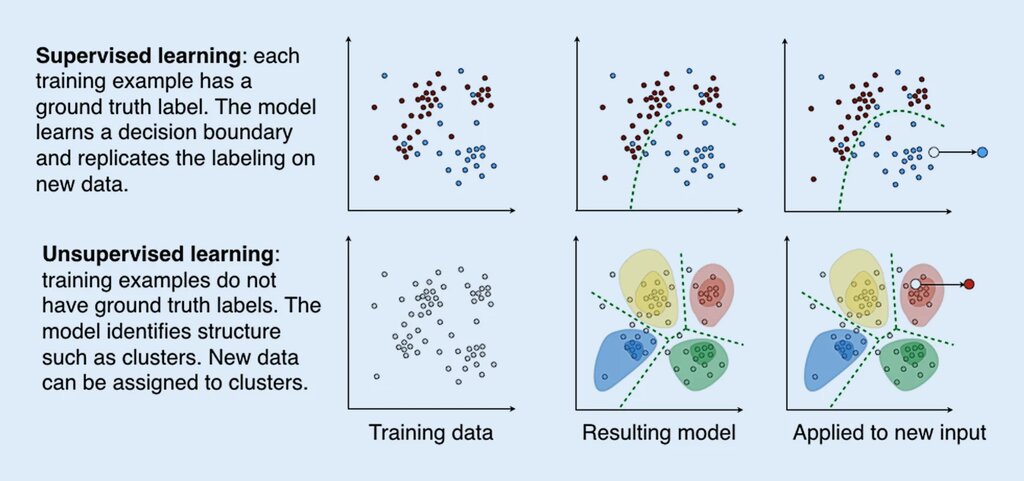
In supervised learning, you act as the teacher. You provide the algorithm with a dataset where each piece of data is tagged with a label, or outcome. The goal is for the model to learn the relationship between the data and its label so it can predict the labels for new, unseen data.
For example, to build a spam filter, you'd feed the model thousands of emails that have already been labeled as either "spam" or "not spam." The model learns the patterns associated with each label, like certain words or sender addresses. Once trained, it can classify new, incoming emails automatically.
Unsupervised Learning
noun
The model finds hidden patterns and structures in unlabeled data on its own.
What if you don't have labeled data? That's where unsupervised learning comes in. Here, the model is given a dataset and tasked with finding its own structure. It's like being given a box of mixed-up LEGOs and asked to sort them into piles based on color, shape, and size without any prior instructions.
A common application is customer segmentation. An online store could use unsupervised learning to group customers with similar purchasing habits. This helps the store create targeted marketing campaigns without knowing anything about the customers beforehand.
Reinforcement Learning
noun
The model learns by performing actions and receiving rewards or penalties.
Reinforcement learning is inspired by how humans and animals learn: through trial and error. The model, often called an "agent," learns by interacting with an environment. It receives rewards for actions that lead to a good outcome and penalties for those that don't.
Over many trials, the agent learns a strategy, or policy, that maximizes its total reward. This is the same principle used to train a dog with treats. It's also how AI models have learned to master complex games like Go and how self-driving cars learn to navigate safely.
| Learning Type | Data Input | Goal | Real-World Example |
|---|---|---|---|
| Supervised | Labeled Data | Predict outcomes | Spam detection in email |
| Unsupervised | Unlabeled Data | Find hidden structure | Recommending movies |
| Reinforcement | No initial data | Learn a task | A robot learning to walk |
Machine Learning in the Wild
Machine learning is not a futuristic concept; it's already a part of our daily lives. Every time you use a search engine, get a movie recommendation, or talk to a voice assistant, you're interacting with an ML system.
Here are just a few more examples:
- Image Recognition: Social media platforms use it to automatically tag your friends in photos.
- Medical Diagnosis: Doctors use ML to analyze medical images like X-rays and MRIs to spot signs of disease earlier and more accurately.
- Financial Services: Banks use machine learning to detect fraudulent transactions in real-time and assess credit risk.
- Transportation: Ride-sharing apps use ML to predict demand, set prices, and find the most efficient routes.
Now, let's test your understanding of these core concepts.
What is the fundamental principle of machine learning?
You are building a system to identify spam emails. You provide the model with thousands of emails, each already marked as either 'spam' or 'not spam'. Which type of machine learning is this?
Understanding these fundamental types of machine learning provides a solid foundation for exploring this exciting and rapidly evolving field.