Introduction to Lucid Dreaming
Understanding Sleep Cycles
The Rhythms of Sleep
Sleep isn't like flipping a switch. It's more like a journey through different landscapes, each with its own unique features. Throughout the night, your brain cycles through two main types of sleep: Non-Rapid Eye Movement (NREM) and Rapid Eye Movement (REM). A full sleep cycle, moving through all the stages, typically lasts about 90 to 110 minutes. You'll go through four to six of these cycles each night.
Early in the night, you spend more time in deep, restorative sleep. As morning approaches, the cycles shift, and you start spending much more time in the lighter REM stage.
The NREM Stages
Most of your sleep time is spent in NREM sleep, which is divided into three stages. Each stage gets progressively deeper.
NREM 1 (N1): This is the very light sleep you experience just as you're drifting off. Your muscles relax, and your brain waves start to slow down. You might experience muscle twitches or the sensation of falling. It's easy to be woken up from this stage.
NREM 2 (N2): You spend about half your total sleep time in this stage. Your heart rate and body temperature drop. Your brain produces short bursts of rapid activity called sleep spindles. It’s harder to be awakened from N2 sleep than N1.
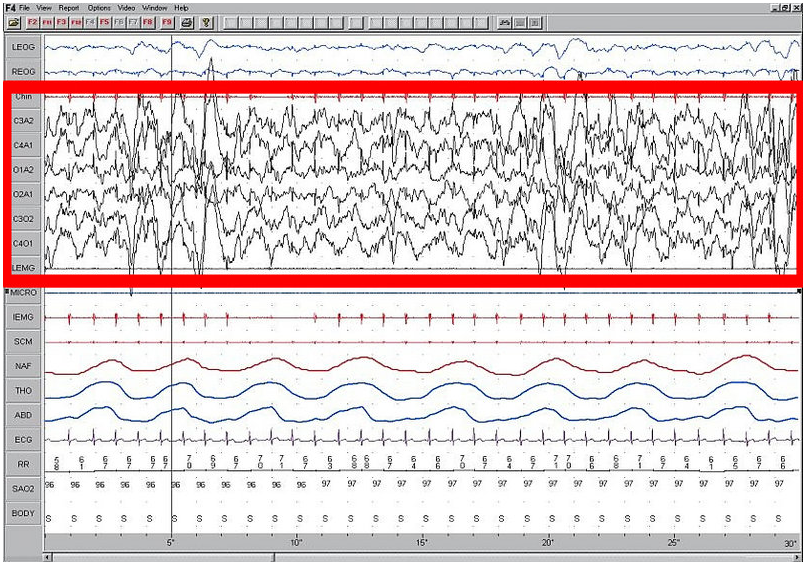
NREM 3 (N3): This is deep sleep, also known as slow-wave sleep. Your brain produces slow, deep delta waves. It's very difficult to wake someone from this stage, and if you are, you'll likely feel groggy and disoriented. N3 sleep is crucial for physical recovery, growth, and boosting your immune system.
The World of REM
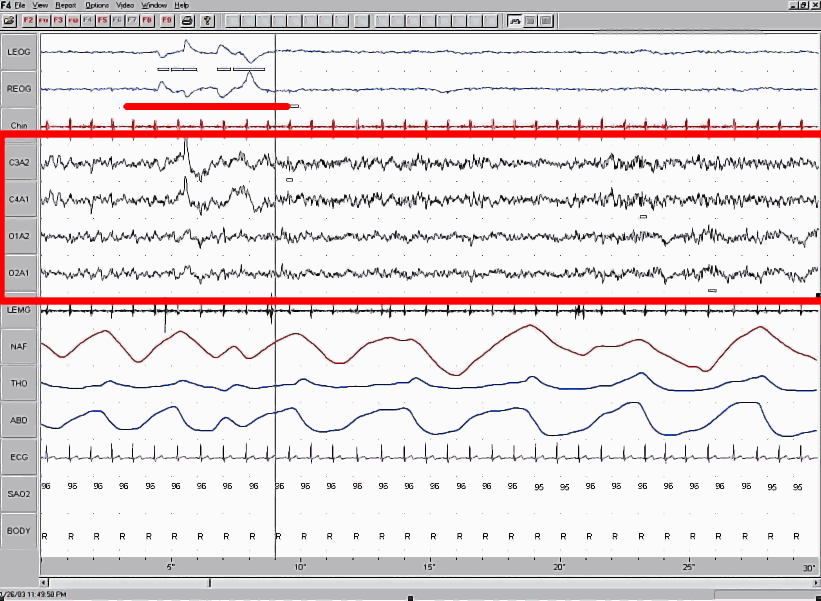
After cycling through the NREM stages, you enter REM sleep. This stage is dramatically different from the others. Your brain activity suddenly looks very similar to when you're awake. Your breathing becomes faster and irregular, and your heart rate and blood pressure increase.
REM sleep is the stage most people associate with dreaming, although it is also possible to dream during NREM sleep.
The most defining characteristic of this stage is the rapid, random movement of the eyes, which is where it gets its name. While your brain and eyes are active, your major voluntary muscles become temporarily paralyzed. This paralysis, called atonia, is a protective measure. It prevents you from acting out your vivid dreams.
Because your REM periods get longer as the night goes on, most of your dreaming happens in the hours just before you wake up. Understanding this timing is the first step in exploring the dream world more consciously.