Introduction to Linux
Introduction to Linux
What is Linux?
At its heart, Linux is an operating system. Just like Windows or macOS, it’s the core software that manages your computer's hardware and lets you run applications like web browsers and text editors. When you turn on your computer, Linux is the first thing to load, bringing the machine to life.
But Linux is different in one fundamental way: it's open-source. This means its source code, the very blueprint of the operating system, is freely available for anyone to view, modify, and share. This single fact has led to a completely different path of development and a unique philosophy behind the software.
A Brief History
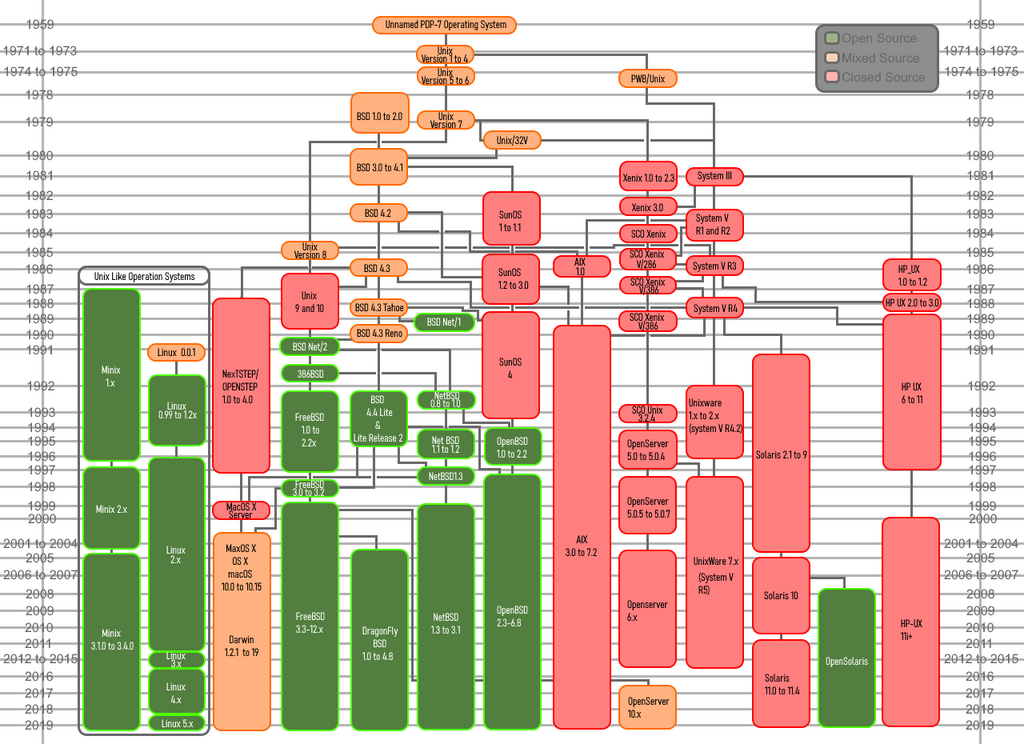
The story of Linux begins with its predecessor, Unix. Developed in the 1970s at Bell Labs, Unix was a powerful, stable, and flexible operating system, but it was proprietary and expensive. By the 1980s, many programmers and academics wanted a similar system that was free and open.
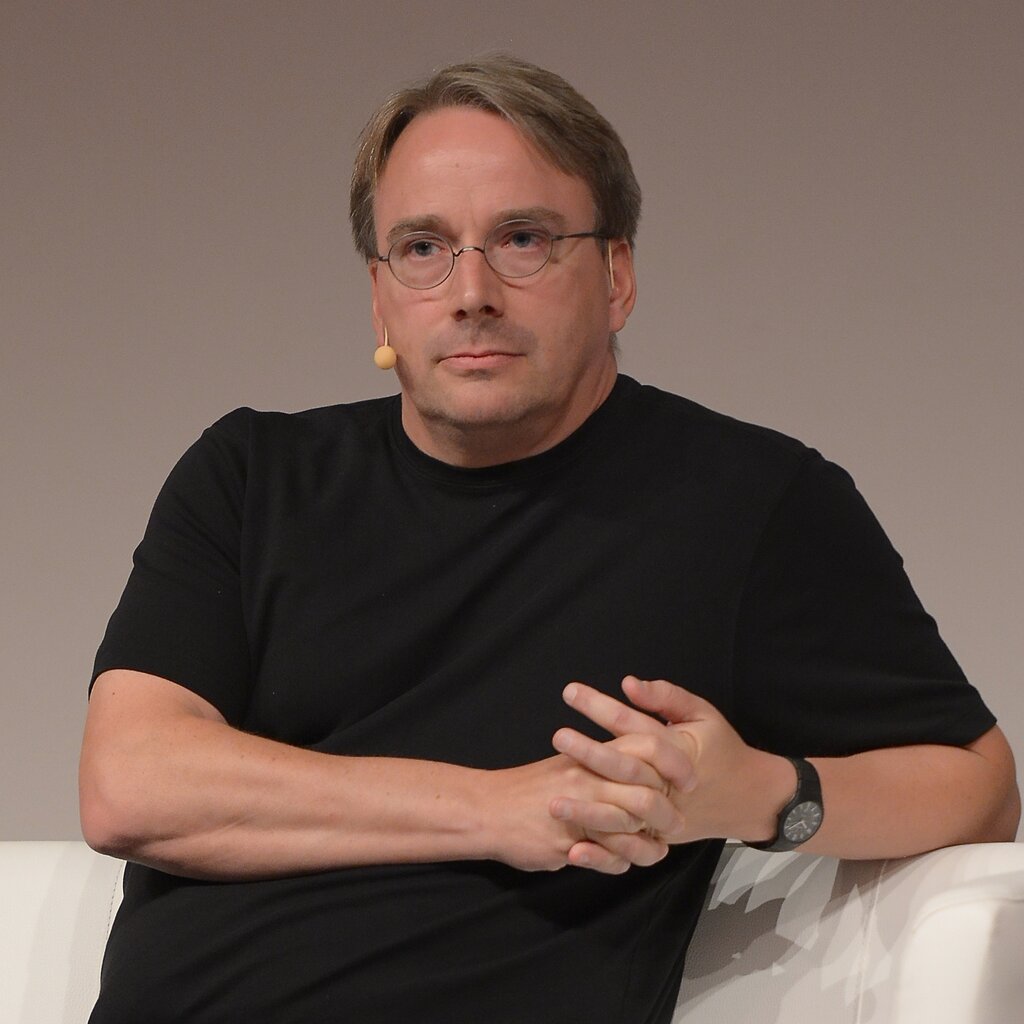
In 1991, a Finnish student named Linus Torvalds started a personal project. He wanted to create a free operating system kernel that would run on his home PC. A kernel is the absolute core of an operating system; it's the bridge between software and hardware. He announced his project online, and programmers from all over the world began to contribute.
At the same time, the GNU Project, started by Richard Stallman, had already created a collection of essential free software tools—compilers, text editors, and a command-line shell—but was missing a kernel. When Torvalds' kernel was combined with the GNU software, a complete, free operating system was born. This is why you'll sometimes hear it called GNU/Linux.
The Power of Open Source
Open-source software is built on the idea of collaboration. Imagine a recipe that anyone can not only use but also improve upon and share with the community. If someone finds a way to make the cake taste better, they can add their suggestion to the recipe for everyone's benefit. That's how open source works.
The philosophy behind this is often called "free software," which refers to freedom, not price. It's defined by four essential freedoms.
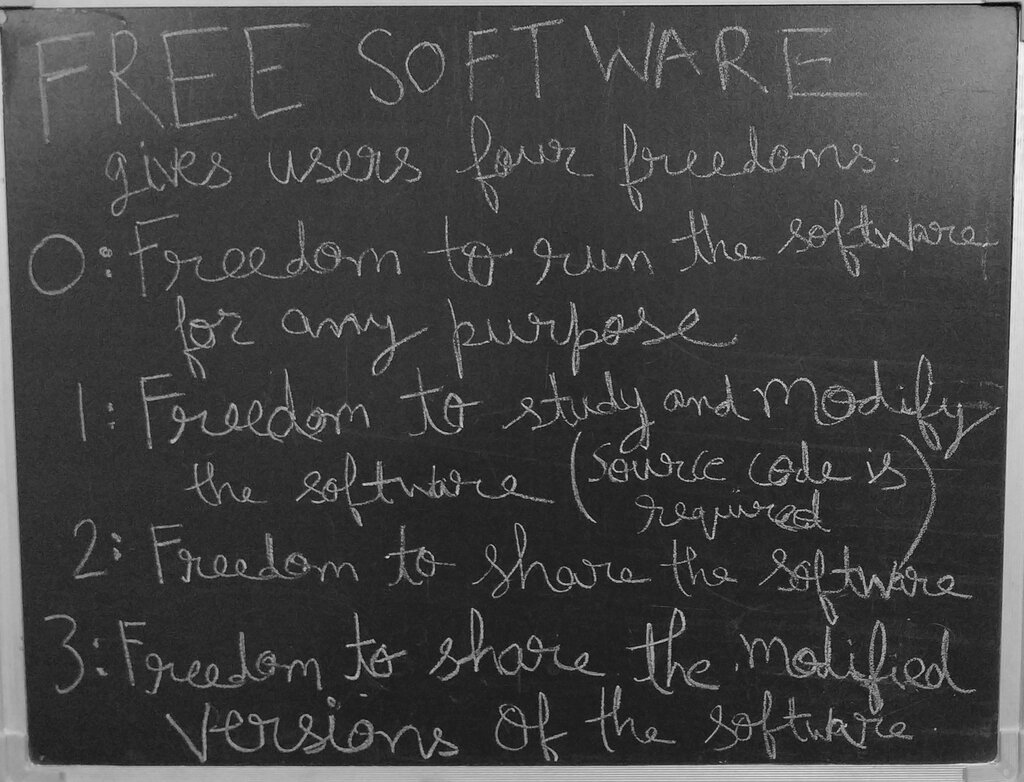
This collaborative model leads to rapid development, greater security (since many people are reviewing the code for flaws), and incredible flexibility. Because the code is open, anyone can adapt it for a new purpose, from running a massive supercomputer to powering a tiny smart watch.
Linux Everywhere
You might not realize it, but you probably use Linux every day. It's the dominant operating system for the servers that power the internet. When you visit a website, there's a very good chance it's being sent to you from a computer running Linux.
Over 96% of the world's top one million web servers run on Linux.
It doesn't stop there. The Android operating system on smartphones is built on top of the Linux kernel. Linux is also found in smart TVs, home routers, car entertainment systems, and a huge number of "Internet of Things" (IoT) devices. It runs the world's fastest supercomputers and the New York Stock Exchange. Its stability, security, and flexibility have made it the backbone of modern computing.
Understanding this history and philosophy is the first step to understanding Linux itself. It's not just a piece of software; it's the product of a worldwide community working together to build tools that are free and accessible to everyone.
What is the core component of an operating system, which Linus Torvalds initially created as a personal project?
The term "free software" in the context of Linux primarily refers to freedom, not price.