Introduction to Linguistics
Introduction to Linguistics
What is Linguistics?
Linguistics is the scientific study of human language. It’s not about learning to speak many languages, though linguists might do that. Instead, it’s about understanding the system itself. Think of a mechanic who studies how an engine works, not just how to drive a car. Linguists look under the hood of language to figure out its parts, how they fit together, and why they work the way they do.
The scope is vast. It covers everything from the tiniest sounds we make with our mouths to the complex social rules that guide our conversations. It examines how languages are born, how they change over time, and how they are learned by children and adults. At its core, linguistics asks a fundamental question: what is this incredible thing we call language, and how does it make us human?
A Quick Look Back
People have been thinking about language for thousands of years. In ancient India, the grammarian Pāṇini created a detailed analysis of Sanskrit that linguists still admire today. In ancient Greece, philosophers like Plato and Aristotle debated the relationship between words and their meanings.
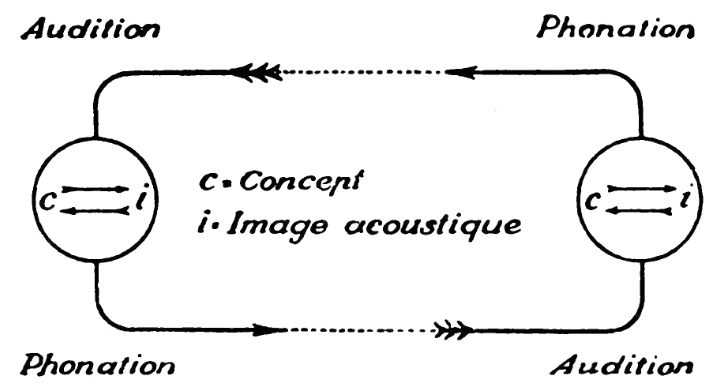
But modern linguistics as a science really took off in the late 19th and early 20th centuries. The focus shifted from simply tracking how languages changed over time to analyzing their underlying structure. This new approach treated language as a complex, self-contained system that could be studied with scientific rigor, much like biology or chemistry.
The Branches of Linguistics
Language is a complex machine with many moving parts. To understand it, linguists break it down into different levels of analysis. These are the subfields of linguistics, each focusing on a specific piece of the puzzle.
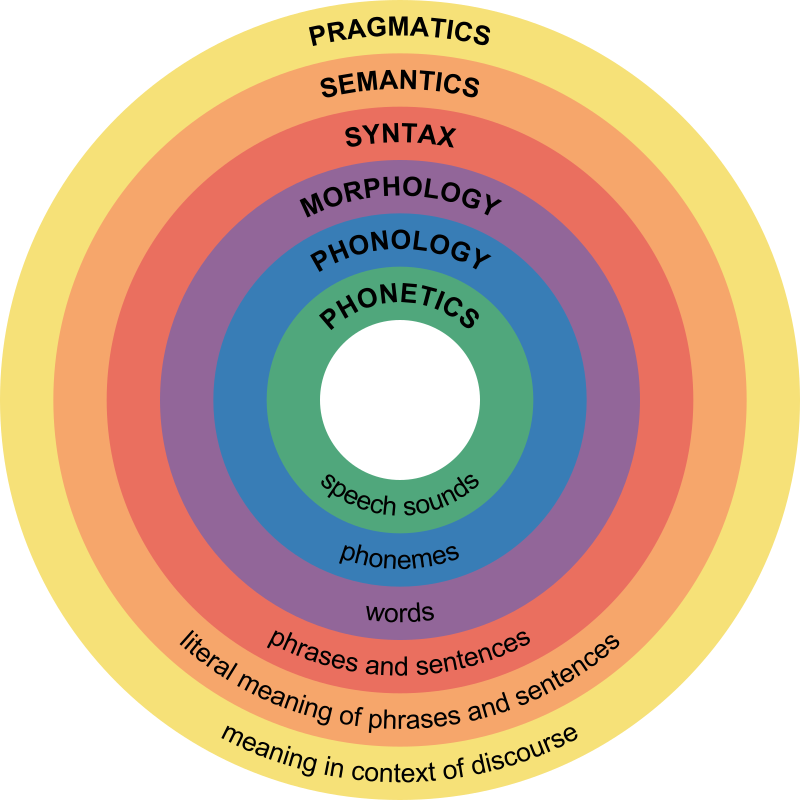
Let's explore the core areas.
Phonetics
noun
The study of the physical properties of speech sounds. It asks questions like: How do we produce sounds using our vocal cords, tongue, and lips? What are the acoustic properties of these sounds?
Phonology
noun
The study of how sounds are organized and used in a language. It looks at the patterns of sounds and how they create meaning. For example, in English, the sound of 'p' is slightly different in 'pin' versus 'spin', and phonology explains why.
Morphology
noun
The study of the structure of words. It examines the smallest meaningful units in a language, called morphemes. This includes roots, prefixes, and suffixes. For example, the word 'unbreakable' is made of three morphemes: 'un-', 'break', and '-able'.
Syntax
noun
The study of the structure of sentences. It defines the rules that govern how words are combined to form phrases and sentences. These rules are why "The cat sat on the mat" makes sense, but "Mat on the sat cat the" is nonsense.

Semantics
noun
The study of literal meaning in language. It deals with the definitions of words and how they combine to form the meanings of sentences.
Pragmatics
noun
The study of how context affects meaning. It explores the difference between what we say and what we mean. If someone says, "It's cold in here," they might be literally stating a fact, but they are probably asking someone to close a window.
Beyond these core areas, linguistics connects with other fields to explore language from different angles.
Sociolinguistics examines the relationship between language and society. It explores how language use varies between different groups of people, based on factors like region, social class, and gender.
Psycholinguistics studies the psychology of language. It investigates how we produce, understand, and acquire language in our minds. It's the bridge between linguistics and psychology.
Why Study Linguistics?
Studying linguistics does more than just satisfy curiosity about language. It sharpens critical thinking and analytical skills. By breaking down the complex systems of language, you learn how to deconstruct and understand any complex system.
It also provides crucial insights for many other fields. Educators use it to develop better methods for teaching reading and second languages. Computer scientists rely on it to build tools for machine translation and voice recognition. Therapists use it to help people with speech disorders. In essence, understanding language helps us understand the human mind and how we connect with one another.
Time to test your knowledge of these foundational concepts.
What is the primary focus of linguistics as a scientific discipline?
The text compares a linguist to a mechanic. A linguist studies the system of language, much like a mechanic studies _____.
This overview has introduced the core components of linguistics. Each of these subfields offers a unique window into the amazing complexity of human language.