Introduction to Lean Six Sigma White Belt
Introduction to Lean Six Sigma
What is Lean Six Sigma?
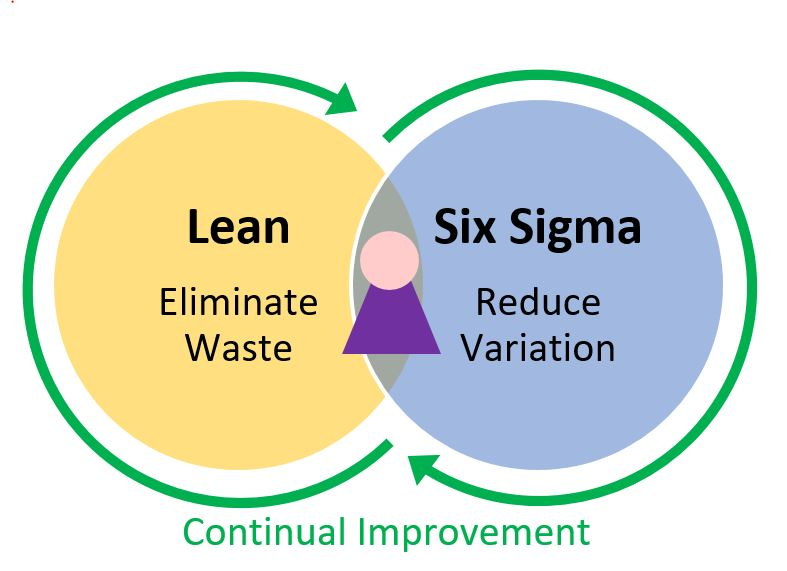
Lean Six Sigma is a method for improving performance by systematically removing waste and reducing variation. Think of it as a one-two punch for making processes better. It combines two powerful methodologies: Lean and Six Sigma.
Lean focuses on speed and efficiency. It’s all about identifying and eliminating activities that don't add value from the customer's perspective. Six Sigma focuses on quality and consistency. It uses data and statistical analysis to find and eliminate the root causes of defects or errors.
Lean Six Sigma combines Lean principles, which focus on waste reduction, with those of Six Sigma, which emphasize reducing variation and improving quality.
When you put them together, you get a comprehensive approach to making things better, faster, and cheaper. It’s not just about fixing a single problem; it's about creating a culture of continuous improvement.
Essentially, Lean ensures you are doing things fast, while Six Sigma ensures you are doing things right.
A Quick History
Lean and Six Sigma grew up separately before joining forces. Lean has its roots in the Toyota Production System (TPS), developed in Japan after World War II. Toyota engineers, particularly Taiichi Ohno, pioneered techniques to eliminate waste and improve workflow on their car assembly lines. The goal was to produce vehicles more efficiently without sacrificing quality.
Six Sigma came later. In the 1980s, an engineer at Motorola named Bill Smith developed a new way to measure and improve quality. He used statistical methods to systematically track and eliminate defects. The approach was so successful it helped Motorola win the prestigious Malcolm Baldrige National Quality Award in 1988. By the early 2000s, companies realised that combining these two powerful methods could produce even greater results, and Lean Six Sigma was born.
Two Methods, One Goal
Although they have different origins, Lean and Six Sigma share the same ultimate goal: delivering maximum value to the customer. They just approach it from slightly different angles.
Lean is built around the principle of eliminating waste, or muda, the Japanese word for futility or uselessness. Originally, there were seven types of waste, but an eighth was added to reflect modern workplaces.
| Waste Type | Description |
|---|---|
| Defects | Products or services that are out of specification and require rework. |
| Overproduction | Producing more than is needed, sooner than it is needed. |
| Waiting | Wasted time when work is stopped, for example, waiting for materials. |
| Non-Utilised Talent | Failing to use the skills and knowledge of the people in the team. |
| Transport | Unnecessary movement of products and materials. |
| Inventory | Excess products and materials that aren't being processed. |
| Motion | Unnecessary movement by people (e.g., walking to another area). |
| Extra-Processing | Doing more work than is necessary to meet customer requirements. |
Six Sigma, on the other hand, is laser-focused on reducing variation. Variation is the enemy of quality. If a process has too much variability, it becomes unpredictable and produces inconsistent results. Six Sigma uses a structured, data-driven methodology called DMAIC to tackle these issues.
DMAIC stands for Define, Measure, Analyse, Improve, and Control. It’s a five-phase framework for systematically solving problems and improving processes.
By combining Lean’s focus on waste with Six Sigma’s focus on variation, organisations get a more complete toolkit for process improvement.
Benefits and Applications
The benefits of implementing Lean Six Sigma are significant. Companies often see a direct impact on their bottom line through reduced costs and increased revenue. Quality improves, leading to higher customer satisfaction and loyalty. Employees also benefit, as smoother processes can reduce frustration and create a more engaging work environment.
While its roots are in manufacturing, Lean Six Sigma can be applied to almost any industry. Here are a few examples:
| Industry | Application Example |
|---|---|
| Healthcare | Reducing patient waiting times in an emergency room. |
| Finance | Streamlining the mortgage application and approval process. |
| Logistics | Optimising delivery routes to save fuel and time. |
| Software Development | Decreasing the number of bugs in a new software release. |
| Government | Improving the efficiency of issuing permits or licences. |
The power of Lean Six Sigma lies in its structured, fact-based approach. It moves organisations away from guesswork and towards data-driven decisions, creating sustainable improvements that last.
What are the two core methodologies that combine to form Lean Six Sigma?
The 'Lean' component of Lean Six Sigma primarily focuses on what?
This framework provides a powerful way to make meaningful improvements in any process.