Introduction to Large Language Models
Introduction to LLMs
What Are Large Language Models?
At its core, a large language model (LLM) is an AI designed to understand, generate, and interact with human language. Think of it like a super-powered autocomplete. It's trained on a massive amount of text data—books, articles, websites, and more—and learns the patterns, grammar, context, and nuances of how people write and speak.
Unlike a simple program that follows rigid rules, an LLM works with probabilities. When you give it a prompt, it predicts the most likely sequence of words to follow, one by one, to create a coherent and relevant response. The “large” in the name refers to two things: the enormous size of the dataset it's trained on and the huge number of parameters (think of them as internal dials or variables) the model uses to make its predictions.
Large Language Models (LLMs) represent a monumental advancement in artificial intelligence, unlocking unprecedented capabilities for understanding and generating human-like language.
This ability to predict text allows LLMs to perform a wide range of tasks, from answering questions and summarizing articles to writing emails and even generating computer code. Their significance lies in making technology more accessible and human-like. Instead of needing to learn a programming language to interact with a computer, you can now often just use your own words.
A Brief History
The journey to today's LLMs began decades ago. Early attempts at language modeling in the mid-20th century were based on statistical methods and rules. These systems were useful but limited. They could count word frequencies and predict the next word based on the previous one or two, but they struggled with long-term context and the subtle complexities of language.
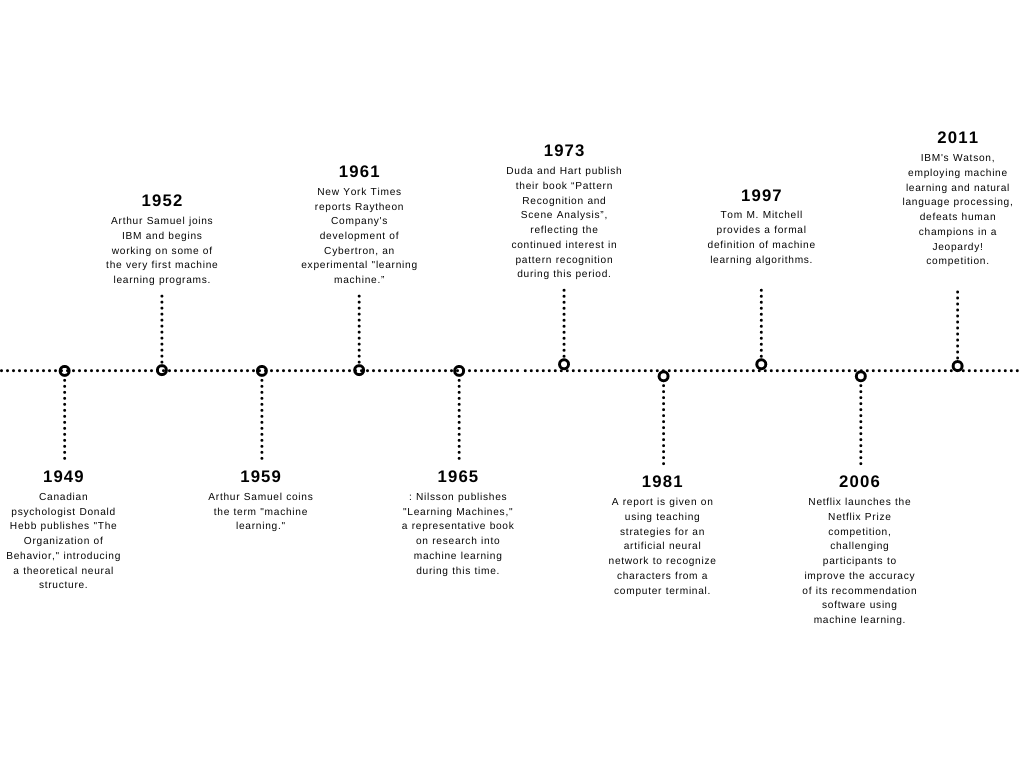
The real breakthrough came with the rise of neural networks and, specifically, a new architecture introduced in 2017 called the Transformer. This design allowed models to weigh the importance of different words in a sentence, no matter how far apart they were. This ability to handle long-range dependencies was a game-changer.
By scaling up these Transformer-based models and feeding them internet-scale datasets, researchers created the powerful LLMs we see today, like those behind tools such as ChatGPT. Each new generation has grown more capable, pushing the boundaries of what AI can do with language.
The Language Revolution
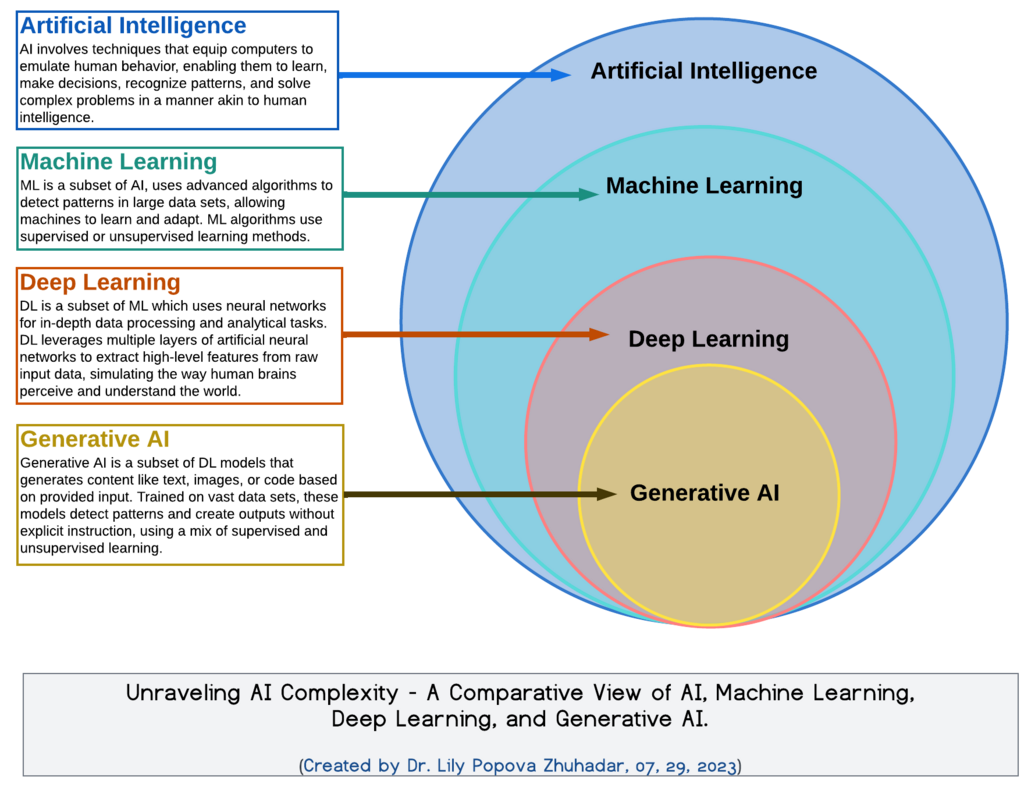
LLMs are a key part of the broader field of Artificial Intelligence, sitting within the subfields of Machine Learning and Deep Learning. Their specific domain is Natural Language Processing (NLP), which focuses on enabling computers to understand and process human language.
For years, NLP was a story of incremental progress. Tasks like translation, sentiment analysis, and question-answering were handled by separate, specialized models. LLMs changed this paradigm. A single, large, pre-trained model can now perform a vast array of NLP tasks with impressive skill, often with just a simple instruction in plain English. This has massively accelerated progress and opened up new possibilities.
Today, LLMs are used for everything from powering search engines and chatbots to assisting writers and developers. They help doctors summarize patient notes, enable businesses to analyze customer feedback at scale, and provide students with personalized tutoring. As these models continue to evolve, their impact on how we interact with information and technology will only grow.
Time to check your understanding of these core concepts.
What does the “large” in Large Language Model primarily refer to?
The key architectural innovation that enabled the development of modern LLMs by allowing models to weigh the importance of different words across long sentences is known as the __________.
This introduction has covered the basics of what LLMs are and why they matter. By understanding their history and their role within AI, you're ready to explore how they work in more detail.