Introduction to Large Language Models
Introduction to LLMs
What Are LLMs?
At its core, a Large Language Model (LLM) is a type of artificial intelligence designed to understand and generate human language. Think of it as a very advanced prediction engine. It's trained on massive amounts of text data from books, articles, websites, and more. By analyzing this data, it learns the patterns, grammar, context, and nuances of language.
Large Language Model
noun
An AI model trained on vast amounts of text data to understand, generate, and manipulate human language.
The goal isn't just to mimic language, but to comprehend it. When you ask an LLM a question, it doesn't pull a pre-written answer from a database. Instead, it generates a response word by word, calculating the most probable next word based on the patterns it learned during training. This allows LLMs to perform a huge range of tasks, from writing an email to explaining a complex scientific concept.
A Large Language Model (LLM) is a type of artificial intelligence program designed to understand, generate, and work with human language.
A Brief History
The idea of machines understanding language isn't new. It dates back to the earliest days of computing. However, the models were once simple and rule-based. They could only handle very specific commands and often failed to grasp the subtleties of human communication. Early language models were statistical, focusing on the probability of a sequence of words, a concept known as n-grams.
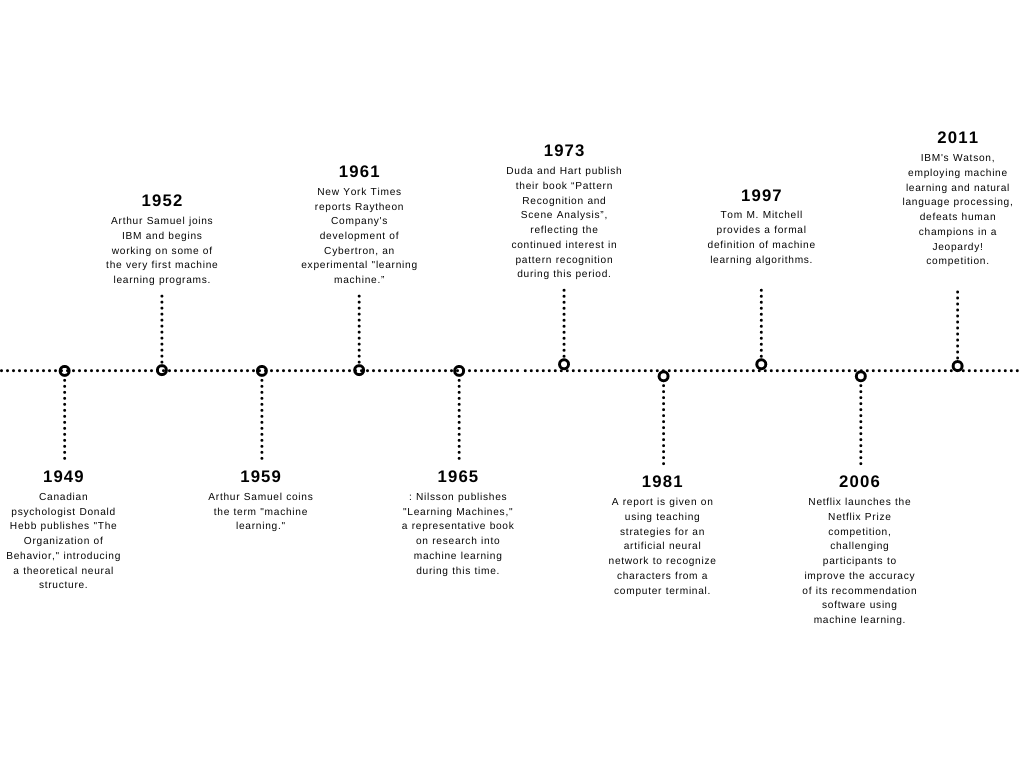
The major breakthrough came with the development of neural networks, and specifically the "transformer" architecture in 2017. This new model design allowed AI to handle long strings of text and pay attention to context in a much more sophisticated way. This innovation, combined with access to massive datasets and powerful computers, paved the way for the large language models we see today.
| Era | Key Development |
|---|---|
| 1950s-1980s | Early rule-based systems & statistical models (n-grams) |
| 1990s-2000s | Rise of machine learning & more complex statistical models |
| 2010s | Deep learning & neural networks become dominant |
| 2017-Present | Transformer architecture enables modern LLMs |
What Can LLMs Do?
The versatility of LLMs is their greatest strength. They have moved from being a niche research topic to a powerful tool with applications across many industries. Their ability to process and generate text makes them useful for a wide array of tasks.
LLMs can summarize long documents, translate between languages, write computer code, answer questions, and even generate creative content like poems or scripts.
In customer service, they power chatbots that can handle complex queries. In software development, they assist programmers by writing and debugging code. In marketing, they help create compelling ad copy. They're also changing education, offering personalized tutoring and helping researchers sift through vast quantities of scientific literature.
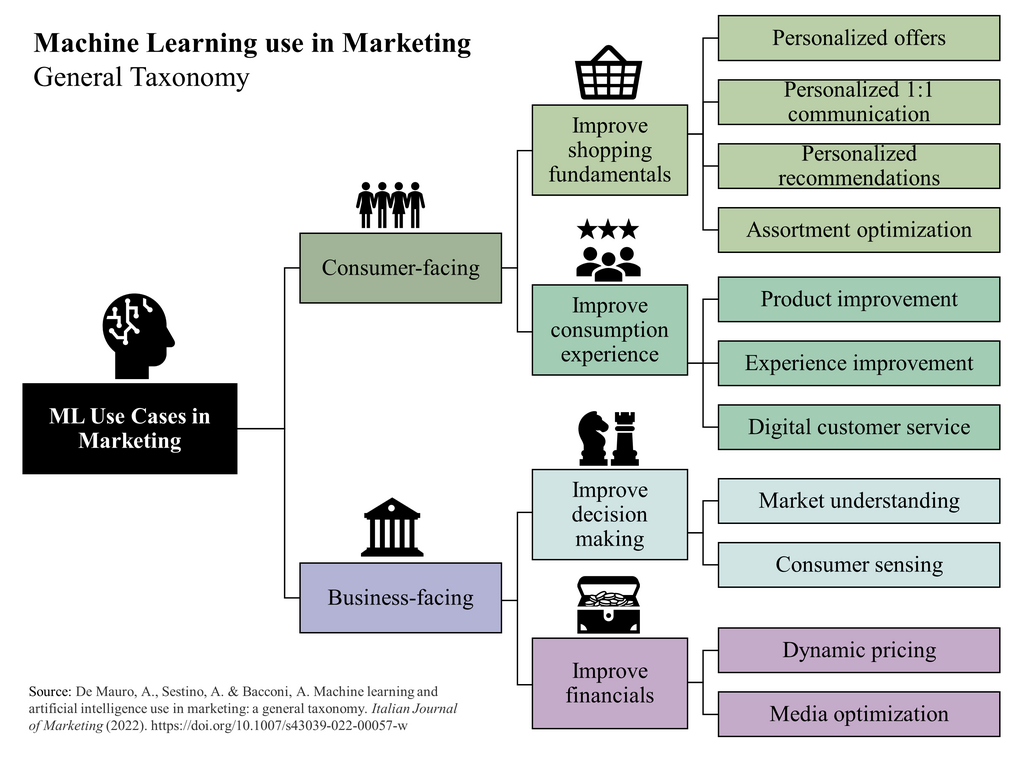
This broad utility is why LLMs are considered a cornerstone of modern AI. They provide a more natural way for humans to interact with computers, bridging the gap between our language and the machine's logic.
Ready to check your understanding?
At its most fundamental level, how does a Large Language Model (LLM) generate a response?
What was the pivotal technological innovation, introduced in 2017, that significantly advanced the capabilities of language models?
As these models continue to evolve, their impact will only grow, further integrating AI into our daily lives.