Introduction to Large Language Models
Introduction to LLMs
What Are Large Language Models?
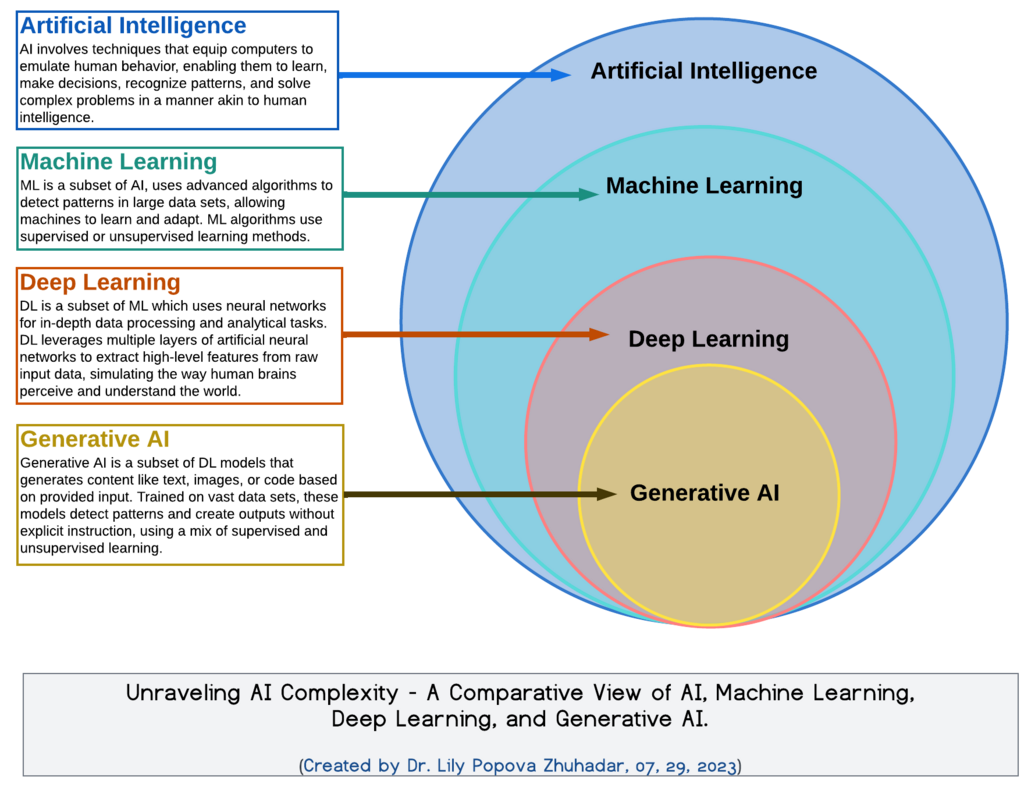
Large Language Models, or LLMs, are a type of artificial intelligence designed to understand and generate human language. Think of them as incredibly advanced prediction engines. After being trained on vast amounts of text and code from the internet, books, and other sources, they learn the patterns, grammar, context, and nuances of language. This allows them to create new, original text that is often indistinguishable from what a person would write.
Large language models (LLMs) are AI systems that understand and create human language, doing tasks like summarizing articles, answering questions, writing code, and more.
The "large" in their name refers to two things: the enormous size of the datasets they are trained on, and the sheer number of parameters in their underlying neural network. A parameter is essentially a variable that the model adjusts during training to improve its performance. Modern LLMs can have hundreds of billions of parameters, which is what gives them such a powerful grasp of language.
A Brief History
The journey to today's LLMs is a story of steady progress in AI and computing. Early language models could only handle short phrases or simple statistical predictions. For decades, the goal of creating truly fluent AI seemed distant.
A significant turning point came in 2017 with the invention of the transformer architecture. This new design was far more effective at handling long sequences of text and understanding complex relationships between words.
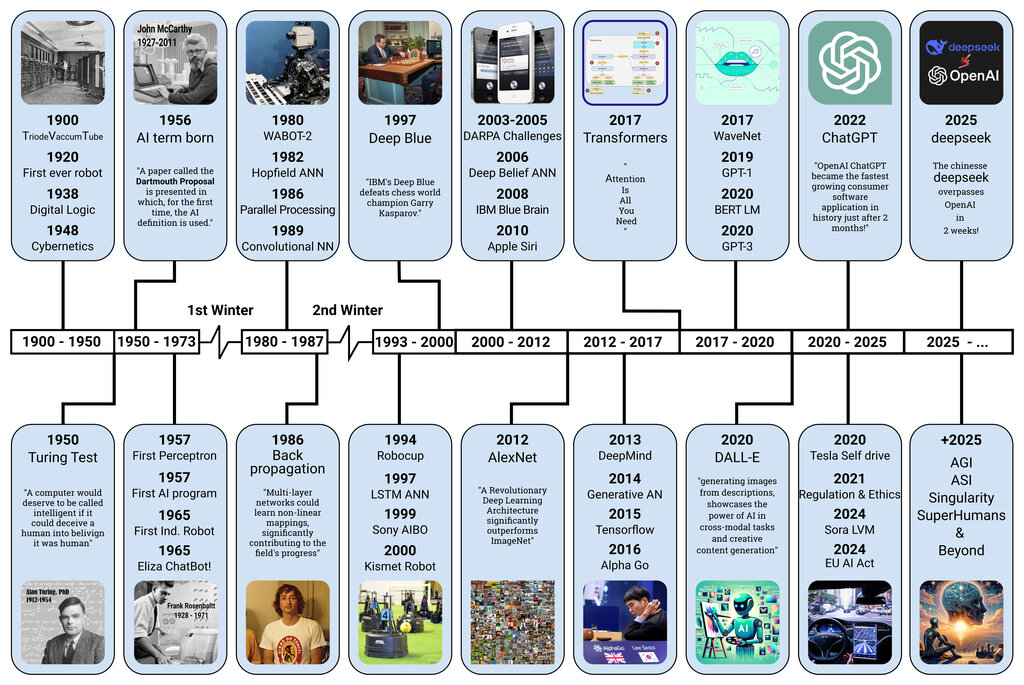
This breakthrough paved the way for models like GPT (Generative Pre-trained Transformer) and BERT (Bidirectional Encoder Representations from Transformers). Each new version grew more powerful, culminating in the sophisticated LLMs we interact with today.
How They Work
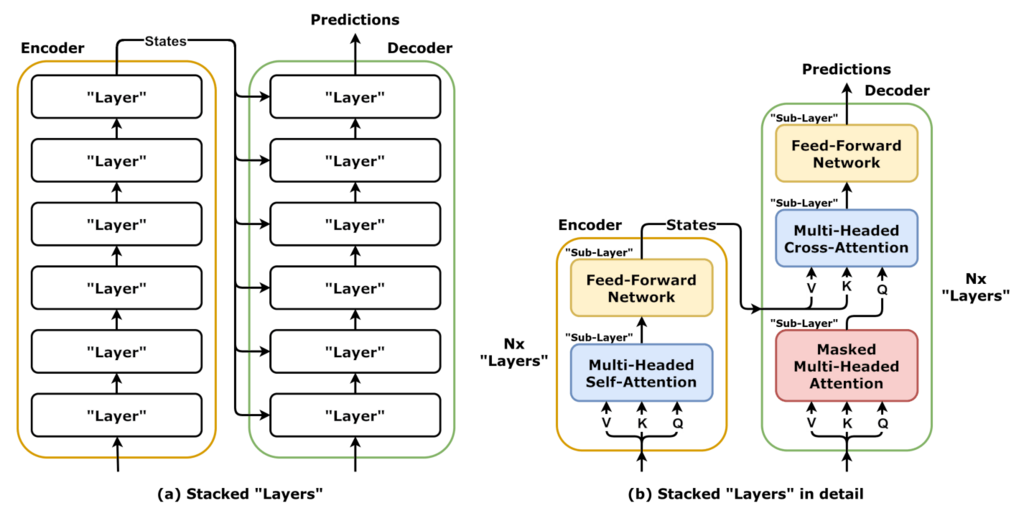
The secret sauce of modern LLMs is the transformer architecture, which relies on a mechanism called self-attention. Self-attention allows the model to weigh the importance of different words in a sentence when processing it. When you read the sentence, "The cat sat on the mat, tired after a long day," your brain automatically connects "tired" with "cat," not "mat."
Self-attention gives the model a similar ability. It can look at an entire sequence of text at once and figure out which words are most relevant to understanding the meaning of any given word in that sequence. This is a huge leap from older models that had to process text word-by-word, often losing track of context along the way.
By processing entire sentences in parallel, transformers can capture long-range dependencies and complex relationships between words efficiently.
What Can LLMs Do?
Because they are so versatile with language, LLMs have a wide range of applications across many fields. Their ability to process and generate text makes them useful for all sorts of natural language processing (NLP) tasks.
| Application | Description |
|---|---|
| Machine Translation | Translating text from one language to another with improved accuracy and fluency. |
| Text Summarization | Condensing long articles or documents into concise summaries. |
| Code Generation | Writing code in various programming languages based on a natural language description. |
| Question Answering | Acting as chatbots or virtual assistants that can answer user questions in a conversational way. |
| Content Creation | Drafting emails, writing articles, creating marketing copy, and even composing poetry. |
This flexibility has made LLMs a transformative technology, changing how we interact with information and technology.
Challenges and Considerations
Despite their power, LLMs are not without their challenges. Training these massive models requires immense computational power, which consumes a significant amount of energy and is very expensive.
There are also important ethical considerations. Since LLMs learn from human-generated text, they can inadvertently pick up and amplify biases present in their training data. This can lead to outputs that are unfair, prejudiced, or harmful.
Another issue is the tendency for LLMs to "hallucinate," or generate confident-sounding but completely false information. Because they are designed to produce plausible text, they can't distinguish between fact and fiction. This makes it crucial for users to verify any critical information generated by an LLM.
Finally, the ability to generate realistic text at scale raises concerns about misinformation and malicious use, such as creating spam or propaganda. Developing safeguards and ensuring responsible deployment are key challenges for the field.
Let's review the key concepts before moving on.
Now, test your understanding with a few questions.
What is the primary function of a Large Language Model (LLM)?
The term "large" in Large Language Model refers to the physical size of the computers they run on.
Understanding these fundamentals provides a solid base for exploring the rapidly evolving world of large language models.