Introduction to Large Language Models
Introduction to Large Language Models
What Are LLMs?
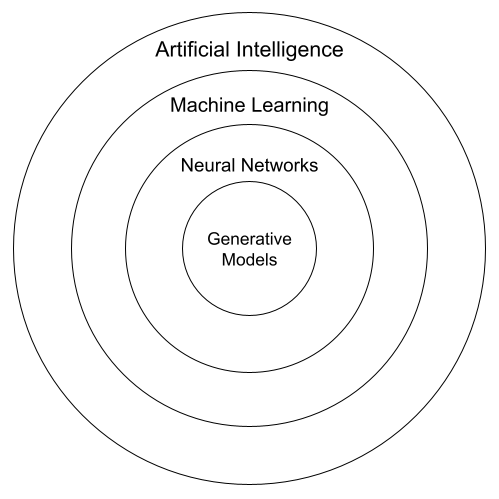
A Large Language Model, or LLM, is a type of artificial intelligence designed to understand and generate human-like text. Think of it as a very advanced autocomplete, but instead of just suggesting the next word, it can write entire essays, answer complex questions, and even create computer code.
A Large Language Model (LLM) is a type of artificial intelligence program designed to understand, generate, and work with human language.
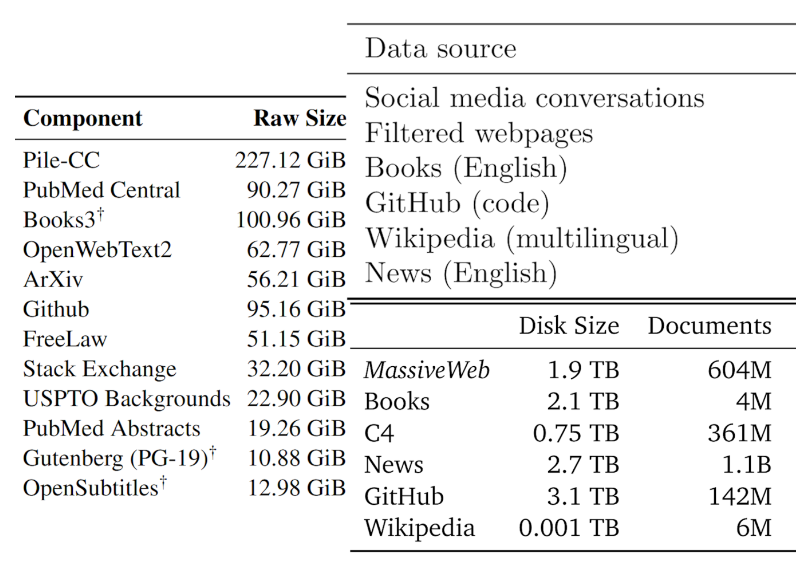
The "large" in their name isn't an exaggeration. These models are trained on enormous amounts of text data—we're talking about a significant portion of the internet, millions of books, and countless articles. This massive dataset allows them to learn the intricate patterns, grammar, context, and nuances of human language. They also have a huge number of internal "parameters," which are like tiny dials that the model adjusts during training to better predict the next word in a sequence. The more parameters, the more complex the patterns it can learn.
A Quick History
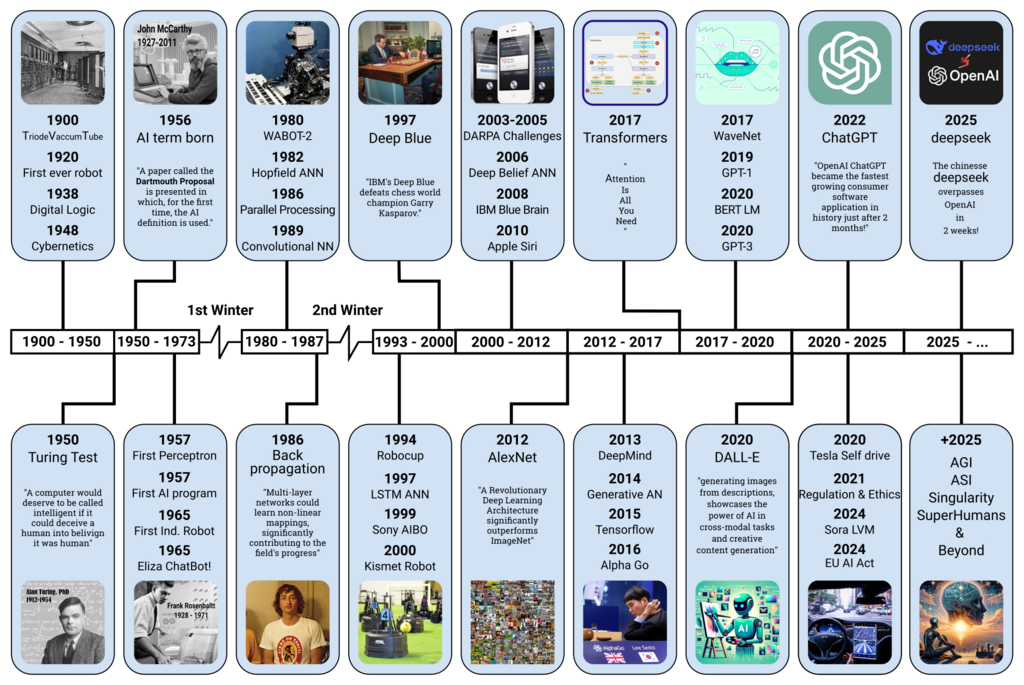
Language models have been around for decades, but early versions were quite simple. They often relied on statistical methods, like looking at which words most commonly follow each other. For example, an older model might know that "the cat sat on the..." is likely followed by "mat," simply because it has seen that phrase many times. However, these models struggled with long-term context. They couldn't remember the beginning of a paragraph by the time they got to the end.
A major breakthrough came in 2017 with the invention of the Transformer architecture. This new design was much better at keeping track of context. Its key innovation, called "self-attention," allows the model to weigh the importance of different words in the input text when generating a response. This means it can understand how a word used at the start of a sentence influences a word at the end, leading to much more coherent and relevant text.
The Transformer architecture has revolutionized the Natural Language Processing field and is the backbone of Large Language Models (LLMs).
This architectural leap paved the way for the massive, powerful LLMs we see today, capable of understanding and generating language with unprecedented fluency.
What Can They Do?
Because they are trained on such a wide variety of text, LLMs are incredibly versatile. They aren't programmed for a single task but can be prompted to perform many different language-related jobs. Their core strength is predicting the next word, but this simple ability unlocks a wide range of powerful capabilities.
Some of the most common applications include:
| Capability | Description |
|---|---|
| Text Generation | Creating original text, from emails and articles to stories and poems. |
| Summarization | Condensing long documents into short, coherent summaries. |
| Translation | Translating text from one language to another with high accuracy. |
| Question Answering | Providing direct answers to questions based on the context provided. |
| Code Generation | Writing snippets of code in various programming languages based on a description. |
These general abilities are the building blocks for countless specific applications, making LLMs a foundational technology in modern AI.
Now, let's test your understanding of these core concepts.
What is the fundamental task a Large Language Model is trained to perform?
What two factors are most responsible for the "large" in Large Language Model?