Introduction to Large Language Models
Introduction to Large Language Models
What Are Large Language Models?
A Large Language Model, or LLM, is a type of artificial intelligence designed to understand and generate human-like text. Think of it as a highly advanced autocomplete. It's trained on vast amounts of text from the internet, books, and other sources. By analyzing all this data, it learns the patterns, grammar, context, and nuances of language.
The core job of an LLM is to predict the next word in a sequence. By doing this over and over, it can write sentences, paragraphs, and even entire articles.
This predictive ability is what makes LLMs so powerful. They aren't just repeating information they've seen before. They're using learned patterns to create new, original text that is contextually relevant. This breakthrough is a huge step forward in a field called Natural Language Processing, which focuses on the interaction between computers and human language.
A Brief History
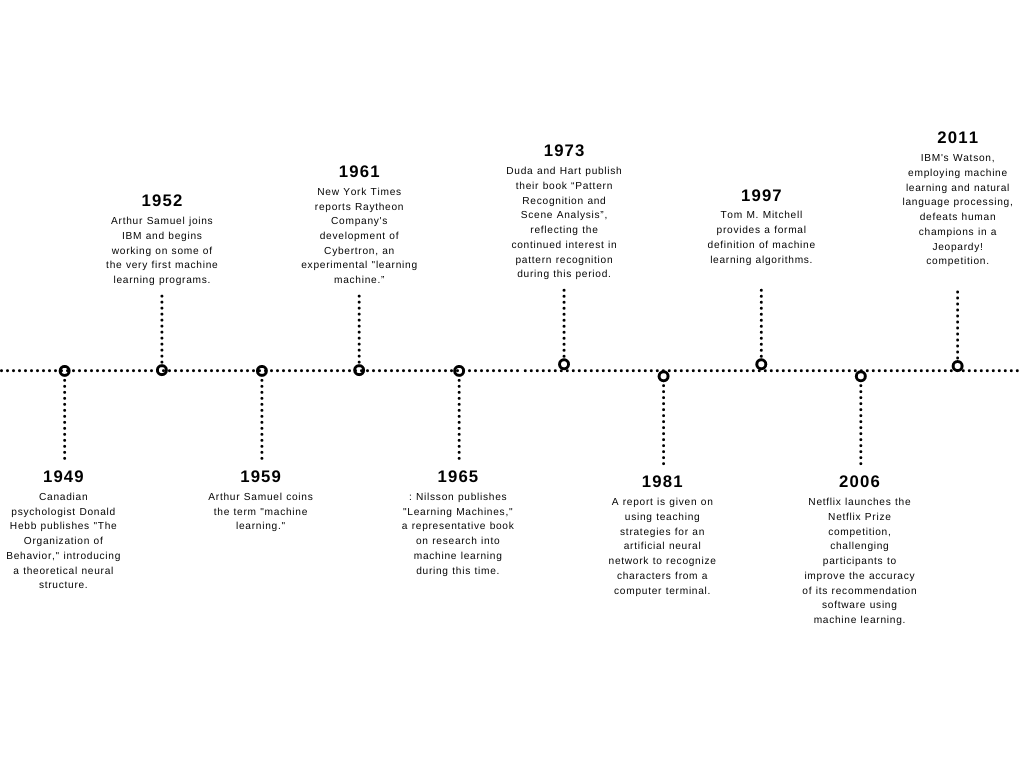
The idea of teaching machines to understand language isn't new. For decades, scientists have been developing language models. Early versions were statistical, meaning they calculated the probability of words appearing together. They were useful but limited, often producing robotic and nonsensical text.
The game changed with two key developments: massive amounts of digital text data and more powerful computers. These allowed for the creation of much larger, more complex models based on neural networks, a type of AI inspired by the human brain. This shift led to the "Large" in Large Language Models, with modern models containing billions or even trillions of parameters—the internal variables the model uses to make predictions.
How Machines Process Language
LLMs are part of the broader field of Natural Language Processing (NLP). NLP is all about enabling computers to make sense of human language. It can be broken down into two main subfields: Natural Language Understanding (NLU) and Natural Language Generation (NLG).
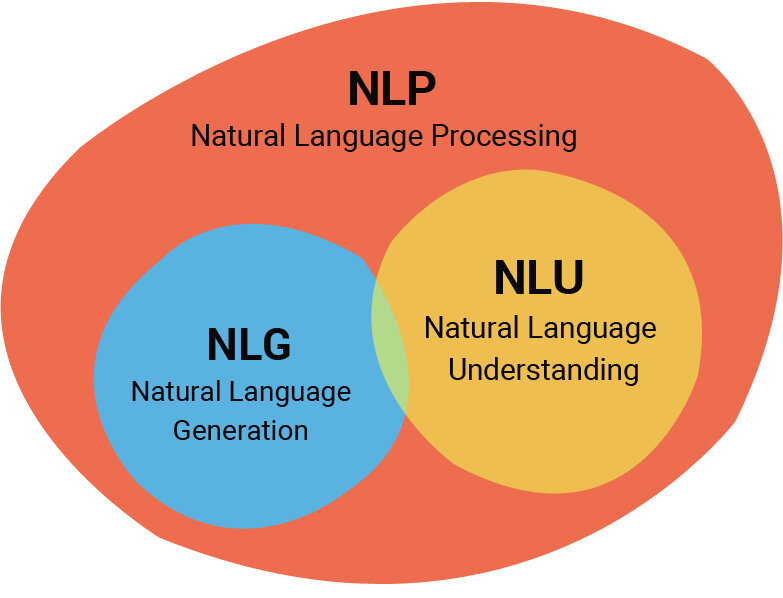
Natural Language Understanding (NLU) is the 'input' part. It involves teaching the machine to read and comprehend text. This includes identifying the sentiment of a sentence (is it positive or negative?), figuring out what entities are being discussed (like people, places, or dates), and understanding the relationships between words.
Natural Language Generation (NLG) is the 'output' part. Once the model understands the input, NLG allows it to construct a coherent and grammatically correct response. This is how an LLM can write an email, summarize a document, or answer a question.
LLMs are exceptional at both NLU and NLG, which is why they are so versatile.
What Can LLMs Do?
The ability to both understand and generate text opens up a world of applications. LLMs are already being used in many ways, and new uses are emerging all the time. Here are just a few examples:
| Application | Description |
|---|---|
| Content Creation | Writing articles, emails, marketing copy, and even creative stories. |
| Translation | Translating text between languages with greater nuance than older tools. |
| Summarization | Condensing long documents or articles into key points. |
| Chatbots | Powering more natural and helpful customer service and personal assistants. |
| Code Generation | Writing and debugging computer code based on plain English descriptions. |
| Data Analysis | Extracting insights and trends from large amounts of unstructured text. |
Because they are so flexible, LLMs are becoming a foundational technology, much like the internet or the smartphone. They provide a new way for humans to interact with computers and information.
Ready to test your knowledge on the basics of Large Language Models?
What is the primary function of a Large Language Model (LLM)?
The "Large" in Large Language Model primarily refers to the massive number of internal variables, or ______, the model uses to make predictions.
This introduction has covered the fundamentals of what LLMs are, where they came from, and what they can do. They represent a significant leap in artificial intelligence, changing how we work with language and information.