Introduction to Landscaping
Introduction to Landscaping
More Than Just a Garden
Landscaping is the art and science of designing and shaping outdoor spaces. It's about more than just planting a few flowers. It involves creating a cohesive, functional, and beautiful environment that connects people with the nature around them.
A great landscape considers everything from the slope of the land to the way sunlight moves across a yard. It’s a thoughtful process that combines natural elements like plants and soil with constructed features like patios and pathways. The goal is to craft a space that is not only visually pleasing but also serves a purpose, whether it's a quiet retreat, a play area for kids, or a spot for entertaining guests.
At its heart, landscaping is a blend of two distinct fields: horticulture, the science of growing plants, and architecture, the art of designing structures.
These two sides of landscaping are often referred to as softscape and hardscape. Softscape includes all the living, horticultural elements: trees, shrubs, flowers, grass, and soil. Hardscape covers the non-living, architectural features, such as stone walkways, wooden decks, fences, and water fountains. A successful design balances these two elements to create a harmonious whole.
Where Buildings Meet Blooms
The best landscapes don't feel separate from the buildings they surround. Instead, they act as a bridge, extending the style and feel of a home into the outdoors. The lines of the house, the materials used in its construction, and its overall architectural style can all provide cues for the garden design.
A modern home with clean, geometric lines might call for a landscape with straight paths, rectangular planting beds, and a minimalist feel. A rustic country cottage, on the other hand, would be better suited to a more informal garden with curving pathways, soft mounds of flowers, and natural-looking materials.
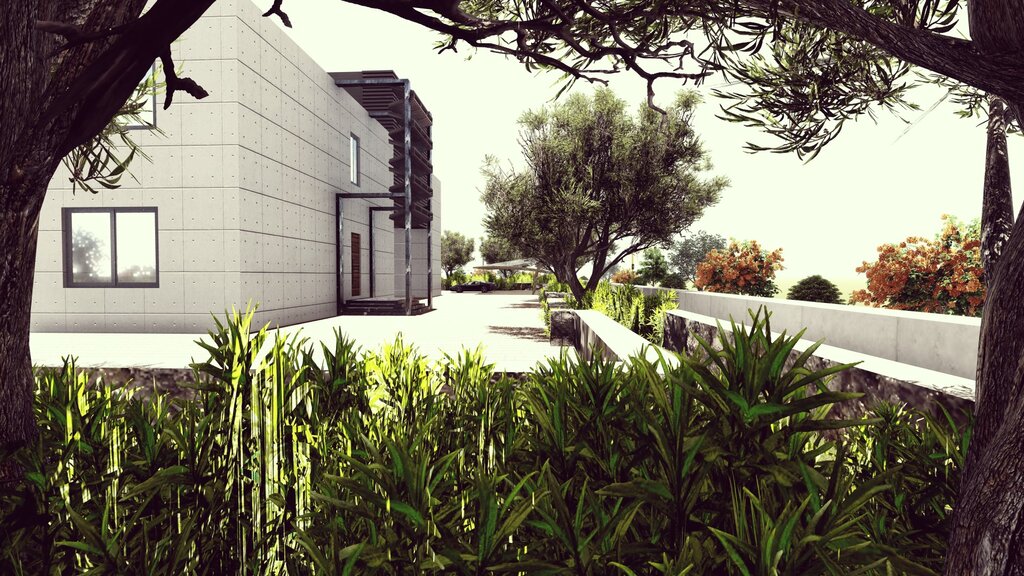
This integration is key to creating a space that feels intentional and unified. By echoing architectural elements in the garden, you create a seamless transition from inside to outside, making the landscape feel like a natural extension of the living space.
By thoughtfully integrating hardscape and softscape elements, we create outdoor spaces that feel both designed and natural—spaces that invite you to linger and enjoy the perfect balance of structure and living beauty.
Working With the Land
Every piece of land is a unique canvas with its own set of characteristics. Before a single plant is chosen or a single stone is laid, it's crucial to understand the site itself. This process, called a site assessment, informs every design decision that follows.
Three of the most important factors to consider are soil, climate, and topography.
| Characteristic | Why It Matters |
|---|---|
| Soil Type | Affects drainage and what nutrients are available to plants. Clay soil holds water, while sandy soil drains quickly. |
| Climate | Determines temperature range, rainfall, and sunlight exposure. This dictates which plants can thrive in the area. |
| Topography | The shape and slope of the land. It influences water runoff, creates views, and can present both challenges and opportunities. |
Working with these natural features, rather than against them, leads to a more sustainable and successful landscape. A steep slope could become a beautiful terraced garden. A sunny, dry spot is perfect for drought-tolerant plants. Understanding the land is the first step toward creating a garden that not only looks good but also thrives in its environment.
Finding Your Style
Just like interior design, landscaping encompasses a wide range of styles, each with its own look and feel. The style you choose should reflect both the architecture of your home and your personal taste.
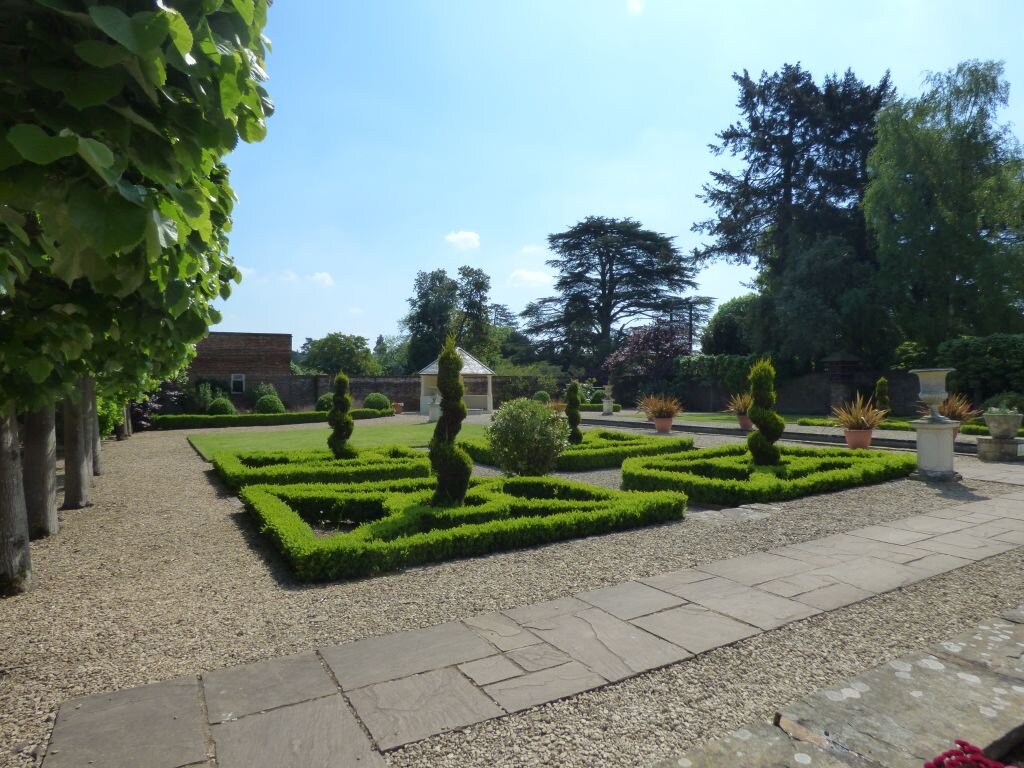
Some popular garden styles include:
- Formal: Characterized by straight lines, geometric shapes, and symmetry. Plants are often pruned into neat, tidy forms. Think of classic European palace gardens.
- Informal (or Cottage): This style is more relaxed and naturalistic, with curved lines, overflowing flower beds, and a mix of colors and textures.
- Modern: Features clean lines, bold geometric shapes, and a minimalist approach. Often incorporates materials like concrete, metal, and wood.
- Naturalistic (or Wild): Aims to mimic nature by using native plants in arrangements that look as though they occurred naturally. It’s a great choice for supporting local wildlife.
Ultimately, the best design is one that aligns with the environment and the homeowner's preferences. It's about creating a space you love to be in, one that fits your lifestyle. Do you need an open lawn for kids to play, or would you prefer a patio for outdoor dining? Answering these questions helps shape a design that is both beautiful and perfectly suited to you.
What is the primary goal of landscaping?
In landscape design, the living, horticultural elements such as trees, shrubs, and soil are known collectively as __________.
Bringing together architecture, horticulture, and a deep understanding of the site is the foundation of good landscape design. It’s how you create an outdoor space that is truly a part of your home.