Introduction to Kotlin Programming
Introduction to Kotlin
Meet Kotlin
Kotlin is a modern programming language that makes developers' lives easier. It was created by a company called JetBrains, the same people who make many popular coding tools. Think of it as a refined version of older languages, designed to be safer, more concise, and more enjoyable to use.
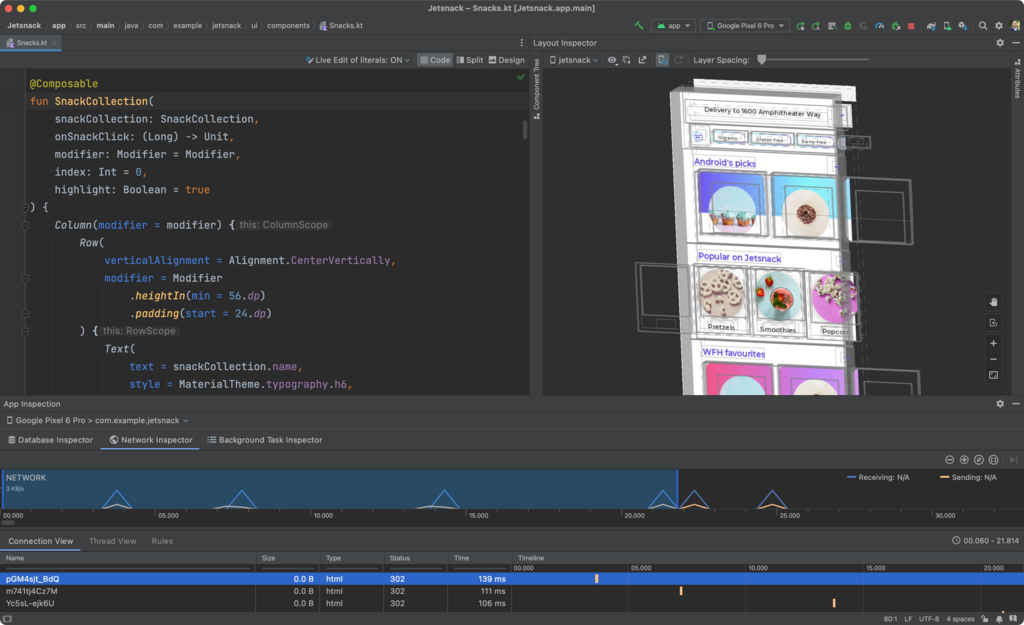
While it can be used for many things, Kotlin is most famous for building Android apps. In 2019, Google announced that Kotlin is its preferred language for Android development. This was a huge endorsement that boosted its popularity and solidified its place in the mobile world.
Why It Was Created
Kotlin’s story begins in 2010. The developers at JetBrains were working mostly with a language called Java. While powerful, Java has some rough edges that can slow down development. They wanted a language that fixed these issues but could still work perfectly with all the existing Java code and tools. So, they decided to build their own.
Their goal was to create a pragmatic language. It wasn't about introducing radical new ideas, but about taking the best concepts from other languages and combining them into a practical, powerful tool.
A key design philosophy was 100% interoperability with Java. This meant companies could start using Kotlin in their existing Java projects without having to rewrite everything. They could adopt it gradually, one file at a time.
Key Features
So what makes Kotlin special? A few core ideas guide its design.
Concise
adjective
Expressing a great deal in just a few words.
First, it's concise. It drastically cuts down on the amount of boilerplate, or repetitive code, that developers have to write. This makes the code faster to write, easier to read, and simpler to maintain.
Second, it's safe. One of the most common errors in programming is the dreaded NullPointerException, which happens when the code tries to use a variable that holds no value. Kotlin has a system built into its design that helps eliminate these errors, making apps more stable and less likely to crash.
Kotlin does away with null pointer exceptions, and even lets you off the hook when it comes to ending lines of code with semi-colons!
Finally, as mentioned, it's fully interoperable with Java. You can have Kotlin and Java files side by side in the same project, and they can talk to each other seamlessly. This was a brilliant move that made it incredibly easy for the massive community of Java developers to try Kotlin out.
Where Can You Use It?
Kotlin isn't just for Android. It was designed from the beginning to be a general-purpose language that can run on different platforms. This multiplatform capability is one of its biggest strengths.
| Platform | Description |
|---|---|
| Android | The primary use case. It's the modern way to build apps for Android devices. |
| Server-Side | You can write backend services and web applications with frameworks like Ktor and Spring. |
| Web Frontend | Using Kotlin/JS, you can write code that runs directly in a web browser. |
| Multiplatform Mobile | Write shared business logic for both Android and iOS apps, reducing code duplication. |
This flexibility means that learning Kotlin opens doors to many different areas of software development, not just one. It’s a versatile skill for any programmer's toolkit.
Let's review the key concepts we've covered.
Now, let's test your knowledge.
Who is the creator of the Kotlin programming language?
What does it mean for Kotlin to be fully "interoperable" with Java?
Now that you have a high-level view of what Kotlin is and why it's useful, you're ready to start diving into the specifics of the language itself.