Introduction to Knitting
Introduction to Knitting
Getting Started
Knitting is simpler than it looks. At its core, it's just a series of loops made with two sticks and a string. The magic comes from choosing the right string—the yarn—and the right sticks—the needles. Let's break down the essential tools you'll need to begin.
Choosing Your Yarn
The yarn you choose will define your finished project. It determines the fabric's warmth, drape, and texture. Yarns are made from a variety of fibers, which generally fall into two categories: natural and synthetic.
Natural fibers come from plants and animals. Wool is warm, elastic, and great for sweaters and hats. Cotton is breathable and absorbent, perfect for dishcloths or summer tops. Other options include soft alpaca, luxurious silk, and rustic linen.
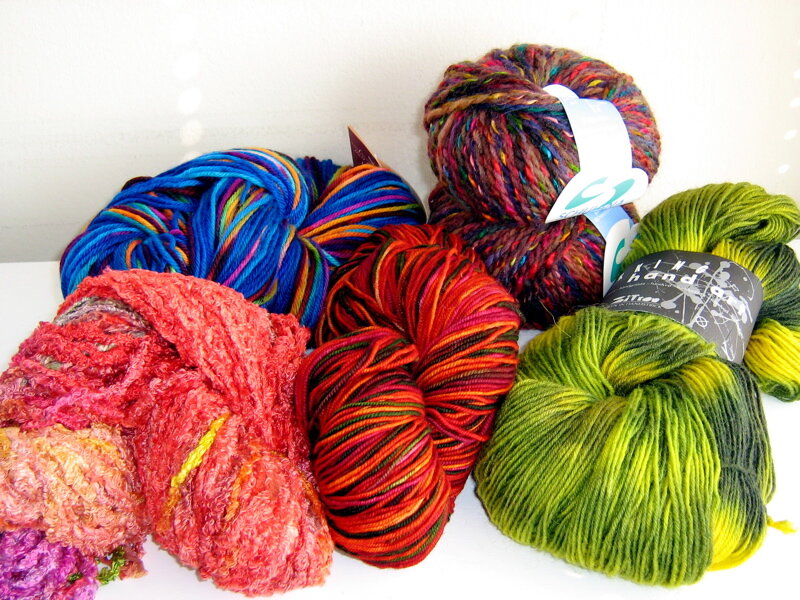
Synthetic fibers are man-made. Acrylic is a popular choice for beginners because it's affordable, durable, and easy to wash. You'll also find blends that combine natural and synthetic fibers to get the best of both worlds, like a wool-nylon blend for durable socks.
For your first project, pick a smooth, light-colored yarn. It makes seeing your stitches much easier. A medium-weight, or "worsted," yarn is also ideal because it's not too thick or too thin to handle.
Yarn also comes in different thicknesses, known as weights. This can range from thin lace-weight yarn for delicate shawls to super bulky yarn for chunky blankets. The yarn's label is your guide to all this information.
One of the most important pieces of information on the label is the gauge. This tells you how many stitches and rows should fit into a set measurement, like a 4x4 inch square, using the recommended needle size.
gauge
noun
The number of stitches and rows per inch in a knitted fabric. It determines the final size of a project.
Why does this matter? If your gauge is different from the pattern's, your project will come out a different size. To check your gauge, you'll knit a small sample square called a swatch before starting your project.
Needles and Notions
Knitting needles come in various sizes and materials. The size of the needle, usually given as a number or in millimeters, affects the size of your stitches. Larger needles create larger, looser stitches, while smaller needles make smaller, tighter ones. Your yarn label will suggest a needle size to start with.
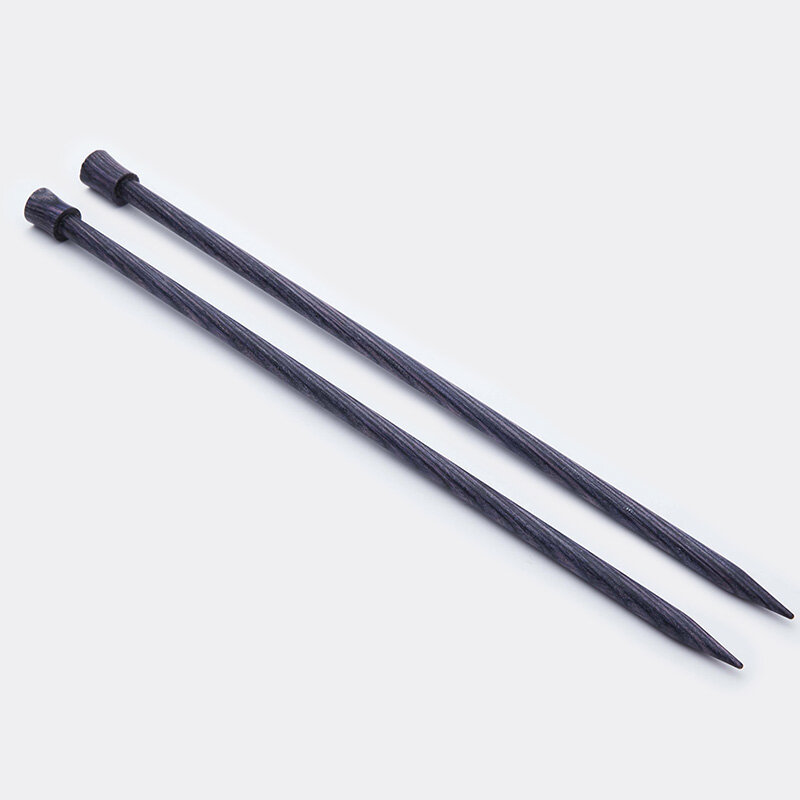
Needles can be made of wood, bamboo, metal, or plastic. Metal needles are slick and fast, which is great for speed but can be slippery for beginners. Wood and bamboo needles have more grip, which helps keep stitches from sliding off. It's a matter of personal preference, so you may want to try a few types to see what you like.
There are three main types of needles:
- Straight needles: These are the classic needles that come in pairs. They're used for knitting flat pieces, like scarves or washcloths.
- Circular needles: A pair of needle tips connected by a flexible cable. They can be used for knitting flat pieces or for knitting in the round to create seamless tubes for things like hats and socks.
- Double-pointed needles (DPNs): These come in sets of four or five and are used for knitting small tubes in the round, such as the tops of hats or the fingers of gloves.
A pair of medium-sized (US 7 or 8) straight wooden or bamboo needles is a fantastic starting point for any new knitter.
Beyond yarn and needles, you'll want a few other small tools, often called notions.
| Tool | Purpose |
|---|---|
| Scissors | For cutting yarn. Any sharp pair will do. |
| Tape Measure | To check your gauge and measure your project. |
| Stitch Markers | Small rings that slide onto your needles to mark a specific spot in your pattern. |
| Tapestry Needle | A blunt-tipped needle with a large eye, used to weave in loose yarn ends when you're finished. |
That's it! With your yarn, needles, and a few basic notions, you have everything you need to cast on your first stitches.