Introduction to Kayaking
Introduction to Kayaking
Choosing Your Craft
Kayaks come in many shapes and sizes, each designed for a specific purpose. Think of them like shoes: you wouldn't wear hiking boots to the beach. The right kayak depends on where you plan to paddle and what you want to do.
| Type | Best For | Key Features |
|---|---|---|
| Sit-on-Top | Warm weather, fishing, beginners | Open deck, self-draining, very stable |
| Sit-in | Cooler water, touring, speed | Enclosed cockpit, better protection from elements |
| Touring/Sea | Long distances, open water | Long and narrow, lots of storage, rudder or skeg |
| Whitewater | Rivers, rapids | Short and rounded, highly maneuverable, durable |
Sit-on-top kayaks are user-friendly and great for casual fun. If you capsize, you can just climb back on. They're popular in warm climates and for activities like fishing or diving.
Sit-in kayaks offer more protection from wind and water, keeping you drier and warmer. Their design often makes them faster and more efficient to paddle over long distances. Touring or sea kayaks are a specialized type of sit-in kayak, built for multi-day trips on large bodies of water like oceans or big lakes.
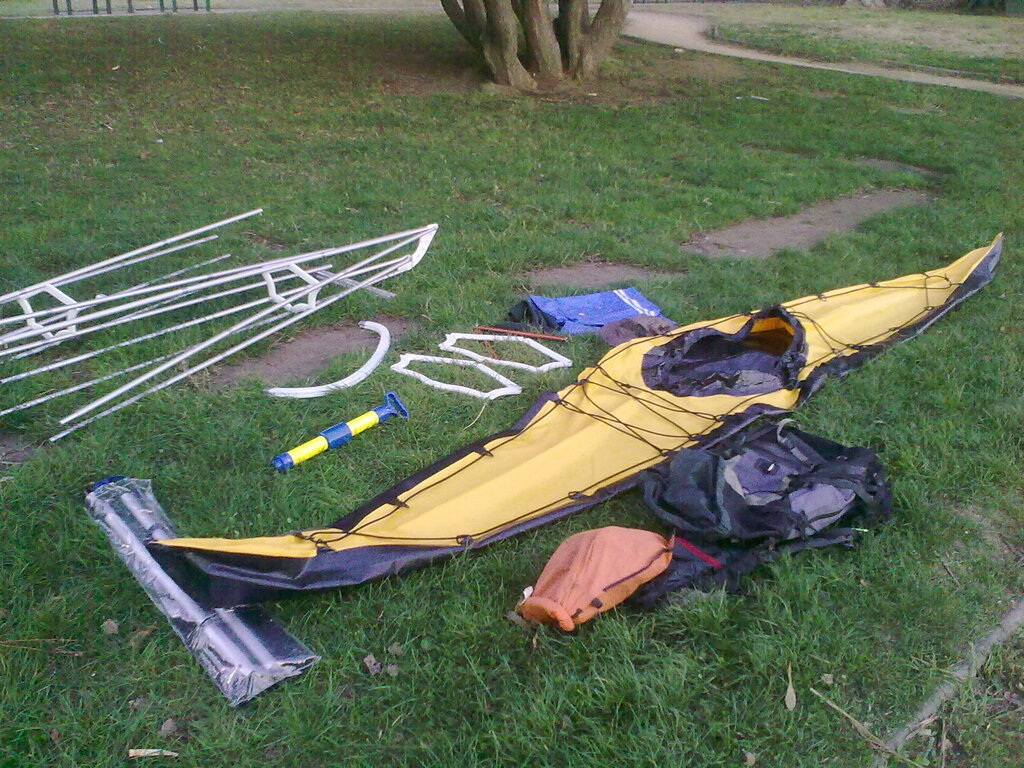
Whitewater kayaks are in a class of their own. They are short, durable, and built to turn on a dime, allowing paddlers to navigate fast-moving rivers and rapids. Most beginners will start with a sit-on-top or a stable sit-in recreational kayak.
Anatomy of a Kayak
Understanding the basic parts of your kayak will help you control it more effectively. While designs vary, most share a common vocabulary.
Here are the most important parts:
- Bow and Stern: The front and back of the kayak.
- Hull: The bottom of the boat. Its shape dramatically affects stability and speed.
- Deck: The top of the boat.
- Cockpit: The opening where you sit in a sit-in kayak.
- Foot Braces: Adjustable pegs inside the cockpit for your feet. They are essential for balance and powerful paddling.
- Seat: Proper seat adjustment is key for comfort and control.
Finding Your Balance
Before you even pick up a paddle, your posture in the boat is critical. A solid, comfortable posture is the foundation for everything else. It connects you to the kayak, allowing you to feel its movements and control it with your whole body, not just your arms.
Your goal is to become one with the boat. A relaxed but engaged posture lets you use your stronger core muscles for power and your hips for balance.
Start by getting comfortable in your seat. Sit up straight, with your lower back firmly against the backrest. Your legs should be bent, with the balls of your feet on the foot braces and your knees comfortably pressed against the sides of the cockpit. This creates three points of contact (your seat and both knees), giving you much greater stability.
This position creates what's known as the "paddler's box"—the area formed by your hands, shoulders, and paddle shaft. Keeping this box consistent while you rotate your torso is the secret to efficient paddling.
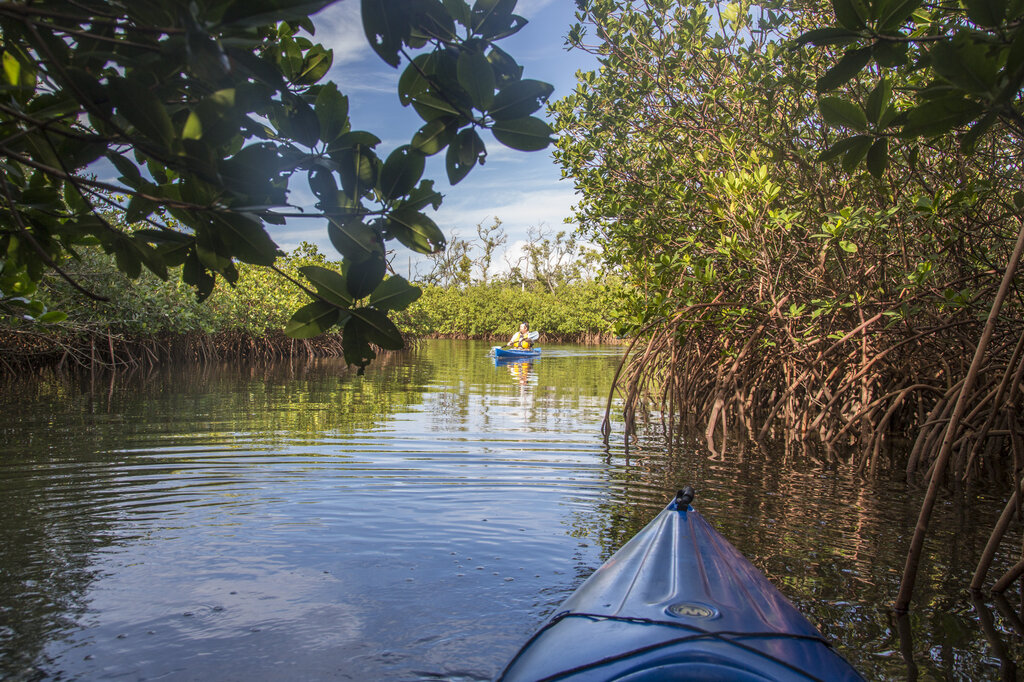
To get a feel for the kayak's balance, gently rock your hips from side to side while keeping your upper body still and centered. You'll notice the kayak tilts, but your head and shoulders stay level. This hip movement, called an "edge," is fundamental to steering and staying upright. Practice this in calm, shallow water until it feels natural.
Now you have a solid understanding of kayaks and how to sit in one properly. Let's check your knowledge.
An adventurer is planning a multi-day trip across a large, open lake with potentially windy conditions. Which type of kayak is best suited for this journey?
What is the primary purpose of using foot braces in a kayak?
With the right kayak and a solid posture, you're ready to start exploring the water.