Introduction to Jazz Guitar
Introduction to Jazz Guitar
The Guitar Finds Jazz
The guitar wasn't always a star in the jazz world. In the early days of big bands, it was a rhythm instrument, strumming chords quietly in the background. Acoustic guitars simply couldn't compete with the volume of horns and drums. Guitarists used archtop guitars, which had a bit more punch than flat-top acoustics, but they still struggled to be heard.
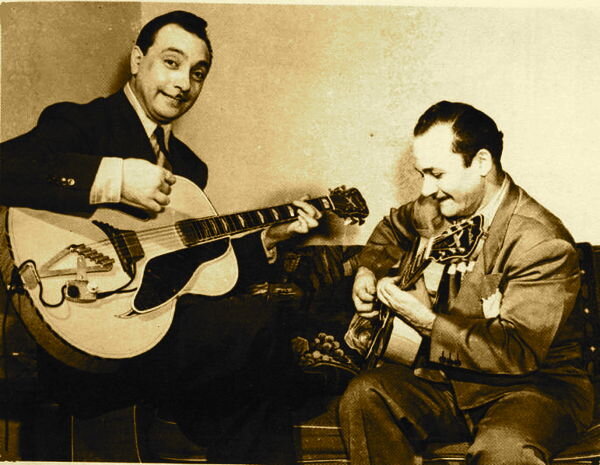
Everything changed in the 1930s. In Europe, Belgian-French Romani guitarist Django Reinhardt created a new, virtuosic style called "gypsy jazz." His dazzling speed and melodic creativity proved the guitar could be a powerful solo instrument. Around the same time in the United States, the invention of the electric guitar gave players the volume they needed to step into the spotlight. Charlie Christian was the pioneer, joining Benny Goodman's orchestra and playing his electric guitar like a saxophone. His flowing, horn-like solos set the standard for jazz guitar for decades to come.
From a quiet rhythm keeper to a powerful solo voice, the guitar's role in jazz was transformed by new playing styles and the game-changing power of amplification.
Gearing Up for Jazz
You don't need expensive vintage gear to play jazz, but the right equipment can help you get the classic warm, clean tone the style is known for. The guitar itself is the most important piece of the puzzle.
| Guitar Type | Description | Sound |
|---|---|---|
| Archtop | The classic jazz guitar. It has a hollow body, like an acoustic, but with arched top and back plates. | Warm, woody, and resonant, with a quick decay. Prone to feedback at high volumes. |
| Semi-Hollow | A hybrid design with a solid wood block running through the center of a thinner hollow body. | Combines the warmth of an archtop with the sustain and feedback resistance of a solid-body. Very versatile. |
| Solid-Body | A solid slab of wood, like a Fender Telecaster or Gibson Les Paul. | Brighter and with more sustain. Can produce great jazz tones, especially with the tone knob rolled back. |
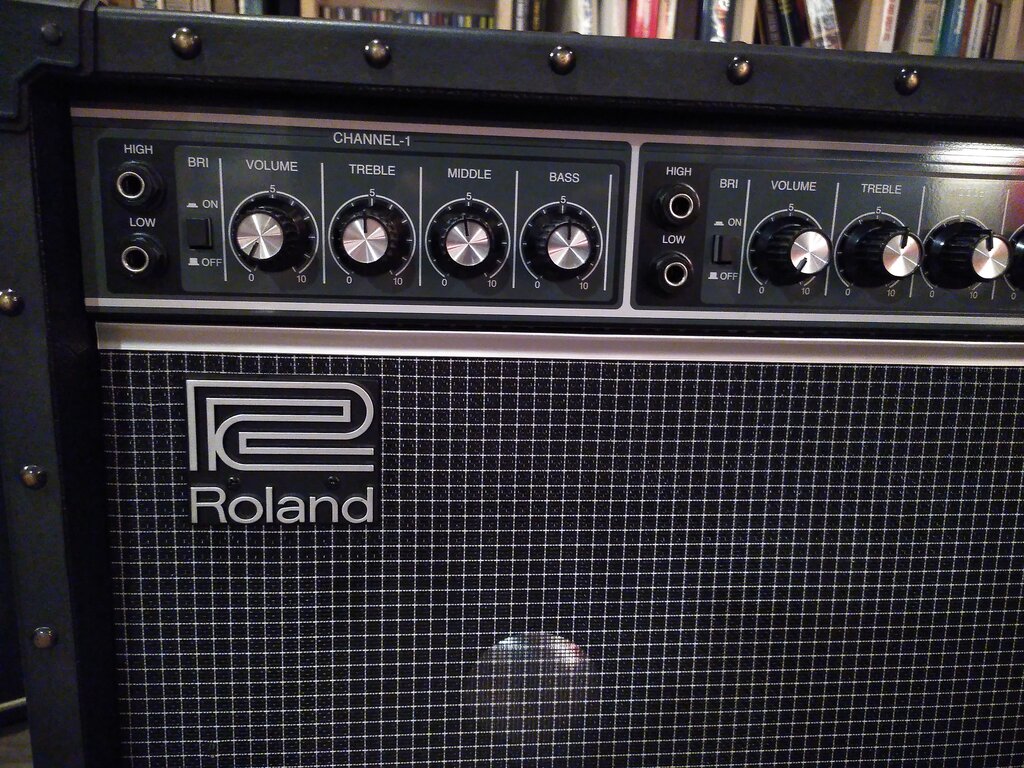
For amplification, the goal is typically a clean sound that doesn't distort when you play louder. Solid-state amps, like the Roland Jazz Chorus, are famous for their pristine clean tones. Tube amps are also popular for the warmth they add. Look for an amp with good "headroom," meaning it can get loud without breaking up into distortion.
Finally, small details matter. Many jazz players prefer thicker strings (0.11 or 0.12 gauge for the high E string) with a flatwound construction. Flatwound strings have a smooth surface that reduces finger noise and produces a mellow, darker tone. A thicker pick also helps in delivering a strong, clear note.
Foundational Techniques
Playing jazz guitar involves a different approach to chords and rhythm than you might find in rock or pop. Instead of just strumming chords, jazz guitarists often "comp," which is short for accompanying.
Comping
verb
A style of rhythmic chordal accompaniment in jazz, where a player provides harmonic and rhythmic support for a soloist or melody.
Comping uses short, punchy chord voicings played in a syncopated, interactive way. It's more of a conversation with the rest of the band than a steady pulse.
To start comping, you'll need to know some jazz chords. While rock music is built on basic major and minor triads, jazz harmony is built on seventh chords. These are four-note chords that add an extra layer of harmonic color. The ii-V-I (two-five-one) progression is the most common chord sequence in jazz. Here's what it looks like in the key of C major:
| Progression | Chord in C Major | Notes |
|---|---|---|
| ii | D minor 7 (Dm7) | D - F - A - C |
| V | G dominant 7 (G7) | G - B - D - F |
| I | C major 7 (Cmaj7) | C - E - G - B |
Learning to play this progression smoothly in different keys is a fundamental first step for any aspiring jazz guitarist.
Start With Basic Changes: Use ii-V-I progressions–a staple in jazz harmony.
Once you have a few chords under your fingers, you can start exploring single-note lines. Many jazz guitarists use a technique called alternate picking, where the pick strikes the string in a strict down-up motion. This allows for fast, fluid lines. Focus on playing notes clearly and evenly, aiming for a smooth, connected sound.
These basics—the history, the gear, and the foundational techniques—are the building blocks for your journey into jazz guitar. Mastering them will prepare you for the more advanced concepts to come.
Ready to check your understanding? Let's see what you've learned about the fundamentals of jazz guitar.
What was the primary role of the guitar in early jazz big bands before the 1930s?
Who is considered a pioneer for introducing the electric guitar as a solo instrument in jazz, playing it with a horn-like phrasing?
With these concepts in mind, you're ready to start exploring the rich world of jazz guitar.