Introduction to Java Programming
Introduction to Java
What is Java?
Java is a popular and versatile programming language used to create a huge range of applications, from mobile apps and video games to large-scale enterprise systems. It was created in the mid-1990s by James Gosling and his team at Sun Microsystems. Originally, the language was designed for interactive television, but it quickly found a new purpose with the rise of the internet.
The project was codenamed "Green" and the language was first called "Oak," after an oak tree that stood outside Gosling's office. The name was later changed to Java, inspired by the coffee they drank during development sessions.
Why It's So Popular
Java's enduring popularity comes down to a few core principles. The most famous is its philosophy of "Write Once, Run Anywhere" (WORA). This means a program written on one computer can run on any other computer without needing to be rewritten.
How does this work? When you write Java code, it isn't compiled directly for a specific operating system like Windows or macOS. Instead, it's compiled into an intermediate format called bytecode. This bytecode is then run by a special piece of software called the Java Virtual Machine (JVM). Since there's a JVM available for nearly every type of device, your Java code can run on all of them.
Beyond its portability, Java is also an object-oriented programming (OOP) language. This is a way of designing software by bundling related data and behaviors into tidy, reusable units called "objects." Think of it like building with LEGO bricks instead of starting from raw plastic every time. This approach helps developers manage complexity and build large, maintainable applications.
Finally, Java was designed to be robust and secure. It has features like automatic memory management, which prevents common programming errors, and a security model that helps protect systems from malicious code. These strengths have made it a trusted choice for critical business and financial applications for decades.
Getting Ready to Code
To start writing Java, you need a few tools. The most important one is the Java Development Kit (JDK). It's the official toolkit from Oracle (which now owns Java) that includes everything you need to compile and run Java code.
The JDK contains the compiler (for turning your source code into bytecode) and the Java Runtime Environment (JRE), which includes the JVM needed to actually run the programs.
While you could write Java in a simple text editor, most developers use an Integrated Development Environment (IDE). An IDE is a powerful application that combines a code editor, a compiler, and debugging tools into one place. It makes coding much faster and easier by providing features like code completion, error checking, and project management.
Some of the most popular IDEs for Java development are IntelliJ IDEA, Eclipse, and Visual Studio Code with Java extensions.
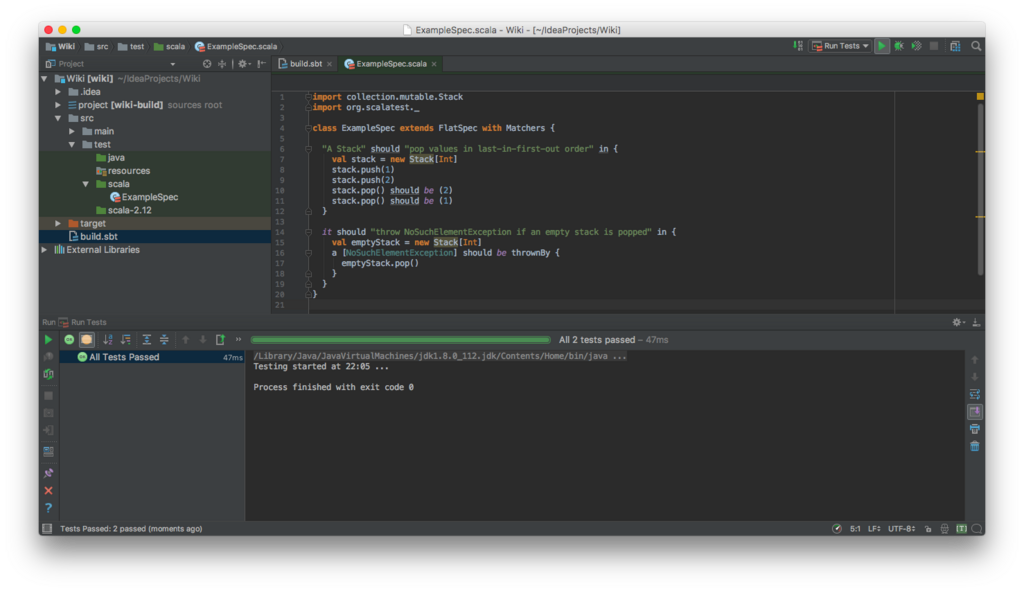
With the JDK installed and an IDE set up, you have everything you need to begin your journey into Java programming.