Introduction to Japanese Language
Japanese Writing Systems
One Language, Three Scripts
Unlike English with its single alphabet, written Japanese is a mix of three different scripts that work together: Hiragana, Katakana, and Kanji. You'll often see all three in the same sentence. Each one has a specific job, and understanding their roles is the first step to reading Japanese.
The Japanese writing system consists of three main scripts: Hiragana, Katakana, and Kanji.
Hiragana: The Native Script
Hiragana (ひらがな) is the first script every Japanese child learns. It’s a syllabary, meaning each character corresponds to a syllable, like “ka,” “ki,” “ku,” “ke,” or “ko.” There are 46 basic characters that cover every sound in the Japanese language.
Hiragana characters have a flowing, cursive look. They were developed centuries ago by simplifying the shapes of more complex Chinese characters. This simplification made writing faster and more accessible.
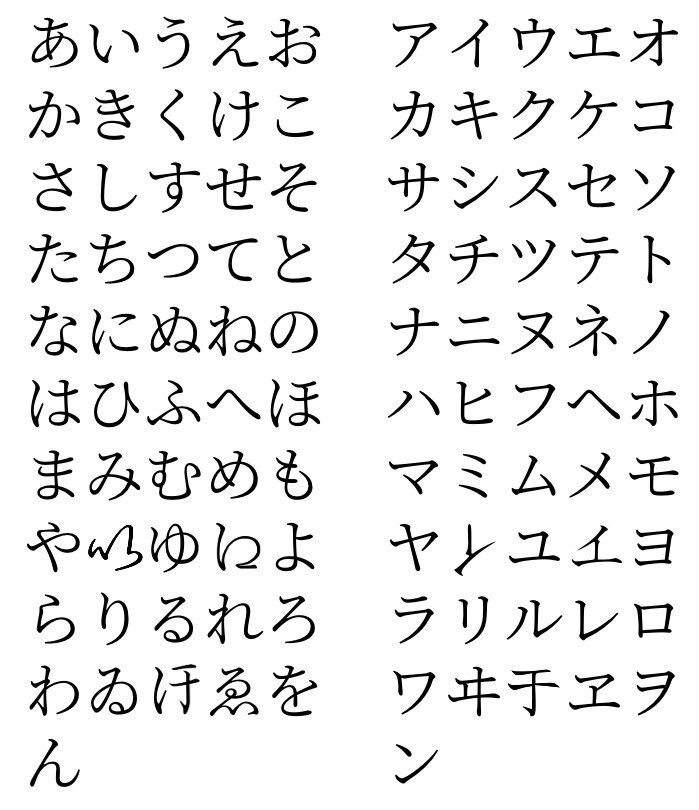
Hiragana is the workhorse of the Japanese language. It's used for grammatical particles, which are words that connect different parts of a sentence (like は, pronounced wa, and を, pronounced o). It's also used for verb and adjective endings, and for native Japanese words that don't have an associated Kanji character. You'll also see it written in tiny print above complex Kanji to show the pronunciation. This phonetic guide is called furigana.
Think of Hiragana as the flexible glue that holds Japanese sentences together. It handles the grammar and fills in the gaps between the other scripts.
Katakana: The Foreign Script
Katakana (カタカナ) is another syllabary, and its characters represent the exact same sounds as Hiragana. The difference is in their appearance and usage. Katakana characters are sharp and angular. They were also derived from Chinese characters, but they were created by taking just a small piece of a character, not by simplifying the whole thing.
This gives them a distinct, blocky look that stands out from the curvy Hiragana.
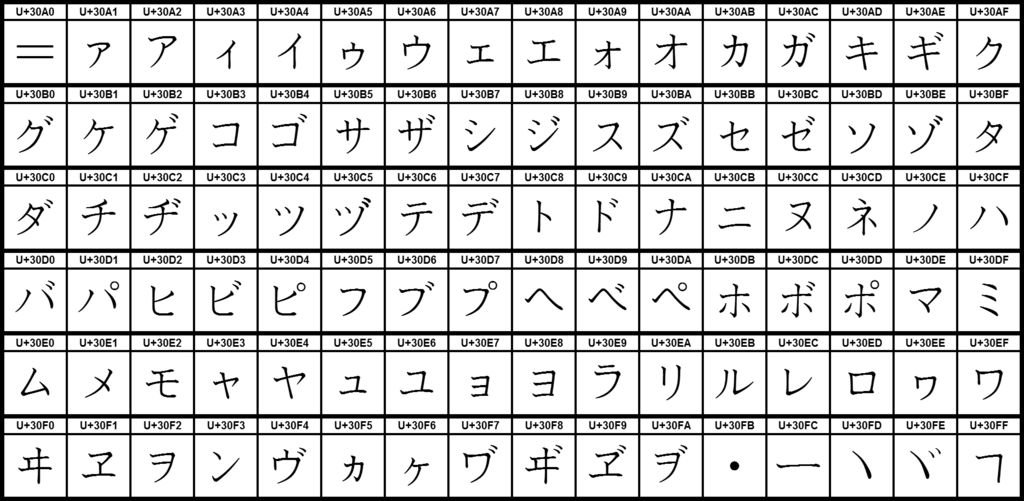
So, when do you use Katakana? Its main job is to write foreign loanwords. Words like konpyūtā (コンピューター, computer), takushī (タクシー, taxi), and foreign names like Maria (マリア) are all written in Katakana. It's also used for scientific names of plants and animals, for onomatopoeia (sound words like wan wan for a dog's bark), and for emphasis, similar to how we use italics.
Kanji: The Ideographic Script
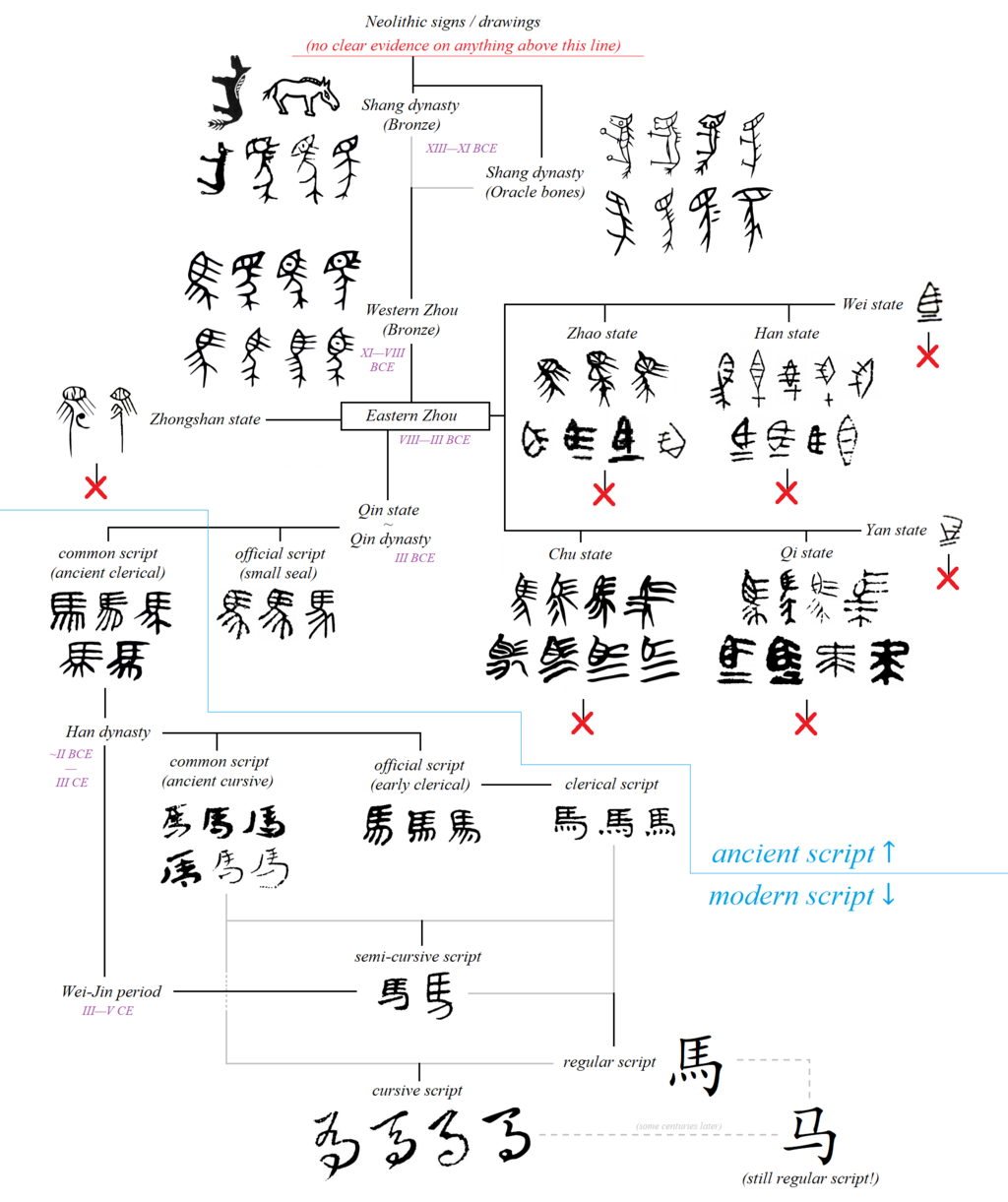
Kanji (漢字) are the complex characters borrowed from Chinese. Unlike Hiragana and Katakana, which represent sounds, Kanji are logograms, meaning each character represents a word or an idea. For example, the character 木 means “tree,” and the character 山 means “mountain.” Combining them, like 森 (three trees), creates a new meaning: “forest.”
There are thousands of Kanji in use, but learning around 2,000 is enough to read most newspapers and books. Each Kanji can have multiple pronunciations depending on the context in which it's used. This is often the biggest challenge for learners.
Kanji form the core meaning of most nouns, verbs, and adjectives. Using Kanji makes sentences more compact and easier to read quickly. Without them, Japanese text would be a long, unbroken stream of phonetic characters, making it difficult to distinguish between words that sound the same but have different meanings (homophones).
| Script | Type | Appearance | Primary Use |
|---|---|---|---|
| Hiragana | Syllabary | Curvy, flowing | Grammar, native words, verb endings |
| Katakana | Syllabary | Sharp, angular | Foreign loanwords, names, emphasis |
| Kanji | Logographic | Complex, multi-stroke | Nouns, verb stems, core concepts |
Let's put it all together. Take the sentence: 私の名前はマリアです。
- 私 (watashi - I, me) and 名 (na - name) are Kanji.
- の (no), 前 (mae), は (wa), and です (desu) are written in Hiragana.
- マリア (Maria) is written in Katakana.
Seeing all three scripts working together is the norm in everyday Japanese.
Time to check your understanding of Japan's three main scripts.
Which Japanese script is a syllabary characterized by its sharp, angular appearance and is primarily used for foreign loanwords and names?
What is the primary function of Hiragana in a Japanese sentence?
Mastering these three scripts is the foundation of literacy in Japanese. While it seems daunting, starting with Hiragana and Katakana first will give you the tools to read and pronounce any word.