Introduction to Japanese Language
Hiragana and Katakana
Japan's Phonetic Foundation
The Japanese writing system might seem intimidating because it uses three different scripts. But the starting point is surprisingly straightforward. Two of these scripts, Hiragana (ひらがな) and Katakana (カタカナ), are phonetic. This means each character represents a specific sound, much like a letter in the English alphabet. Together, they are known as kana.
Start by focusing on Hiragana and Katakana, collectively known as Kana.
Unlike the English alphabet, where a letter like 'a' can make several different sounds, each kana character corresponds to one distinct syllable. For example, the character か represents the sound "ka." Mastering these two scripts is the essential first step to reading and writing Japanese, as they form the building blocks for almost every sentence.
Hiragana The Native Script
Hiragana is the most common script and the one Japanese children learn first. You'll see it used for native Japanese words, grammatical particles that connect words in a sentence, and verb and adjective endings. Its characters have a rounded, flowing appearance, making them visually distinct from the other scripts.
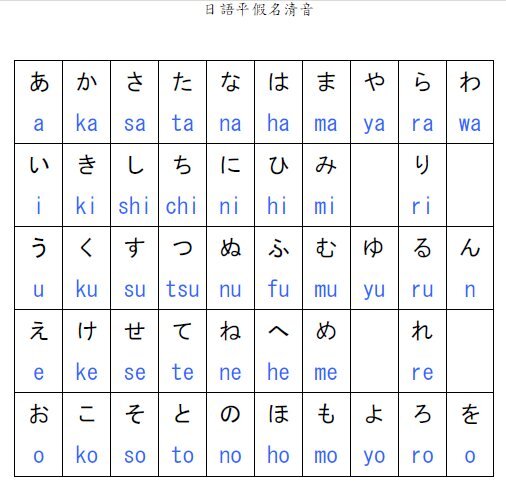
Every Hiragana character is drawn with a specific stroke order. Following the correct order is crucial. It not only makes your handwriting more natural and legible but also helps you memorize the characters more effectively. The general rules are simple: write from top to bottom, and from left to right.
Katakana The Foreign Script
Katakana represents the exact same set of sounds as Hiragana. So, why have two scripts? Katakana has a different job. It's used primarily for words borrowed from other languages (like hoteru for "hotel" or kōhī for "coffee"), foreign names, onomatopoeia (sound words like wan-wan for a dog's bark), and for emphasis, similar to using italics in English. Katakana characters look more angular and sharp compared to the flowing curves of Hiragana.
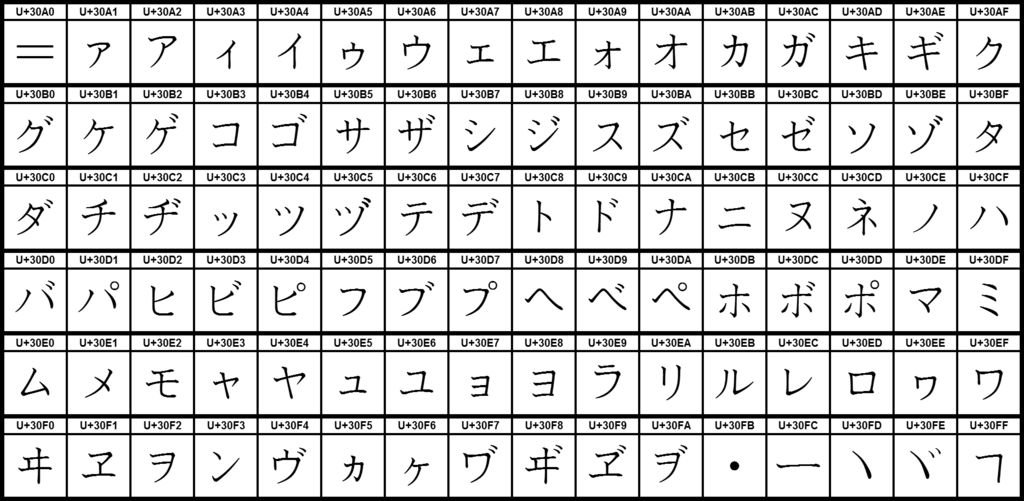
Just like Hiragana, Katakana characters have a specific stroke order that aids in writing and memorization. The sounds are identical, so if you can pronounce a Hiragana character, you can pronounce its Katakana counterpart. The key is learning to recognize which script is used in which context.
Let's compare a few characters side-by-side to see the difference in style.
| Sound | Hiragana | Katakana |
|---|---|---|
| a | あ | ア |
| ki | き | キ |
| se | せ | セ |
| ho | ほ | ホ |
| n | ん | ン |
Pronunciation and Usage
The pronunciation of kana is very consistent. There are five core vowel sounds that form the basis of every syllable. Once you learn these, pronouncing the rest of the chart becomes much easier.
| Kana Vowel | Pronunciation Guide |
|---|---|
| あ (a) | like the 'a' in 'father' |
| い (i) | like the 'ee' in 'see' |
| う (u) | like the 'oo' in 'moon' |
| え (e) | like the 'e' in 'get' |
| お (o) | like the 'o' in 'go' |
Let's look at how they are used in actual words. Notice which script is used for each type of word.
cat (native Japanese word)
camera (foreign loanword)
Learning to distinguish between Hiragana and Katakana is a fundamental skill. With practice, your brain will quickly learn to associate the curvy script with Japanese grammar and native words, and the sharp script with foreign terms and emphasis.
Now, let's test your understanding of the roles these two important scripts play.
What is the collective term for the Hiragana and Katakana scripts?
Which script is primarily used for writing words borrowed from foreign languages, like "hotel" (ホテル) or "coffee" (コーヒー)?
Mastering Hiragana and Katakana is all about practice and repetition. Once you're comfortable with them, you'll have the foundation you need to start reading, writing, and speaking Japanese.