Introduction to Japanese Language
Japanese Writing Systems
The Three Scripts
Japanese is written using a combination of three distinct scripts: Hiragana (ひらがな), Katakana (カタカナ), and Kanji (漢字). It might sound complicated, but each script has a specific role that makes the written language clear and nuanced. Think of them as different fonts you'd use for different purposes, except they are fundamental parts of the language itself.
The Japanese writing system consists of three main scripts: Hiragana, Katakana, and Kanji.
Most sentences you'll see in Japanese use a mix of all three. Let's break down what each one does.
Hiragana The Foundation
Hiragana is the first script every Japanese child learns, and it's the foundation for any beginner. It's a syllabary, which means each character represents a syllable, like "ka," "shi," or "mo." There are 46 basic characters in Hiragana, and they cover every sound in the Japanese language. Visually, Hiragana characters are curvy and flowing.
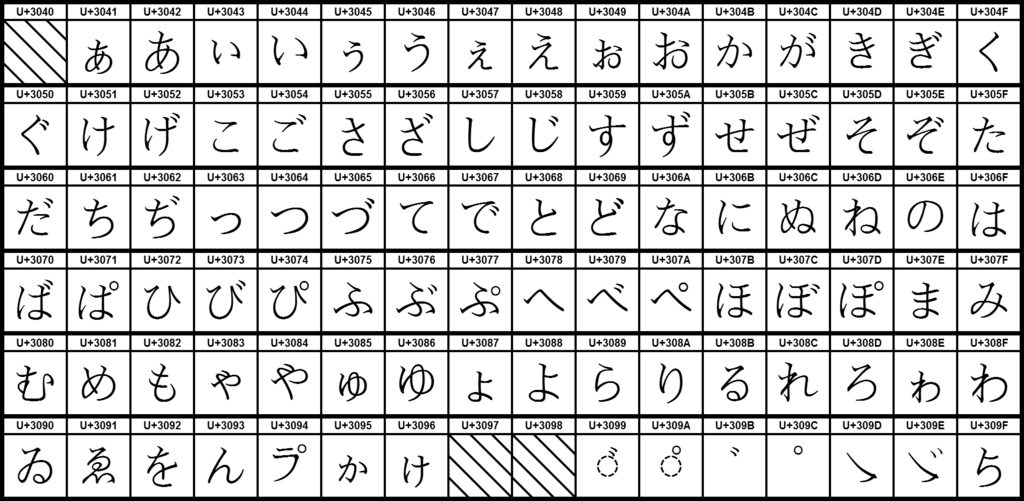
Hiragana is used for several key things:
- Grammatical parts: It spells out particles that mark the subject or object of a sentence, as well as verb and adjective endings.
- Native Japanese words: Any word that doesn't have a Kanji character is written in Hiragana.
- Furigana: These are small Hiragana characters printed above or next to a Kanji character to show its pronunciation. They are a huge help when you're just starting to learn Kanji.
Think of Hiragana as the glue that holds Japanese sentences together. Its soft, rounded shapes are easy to spot.
Katakana For Foreign Words
Like Hiragana, Katakana is also a syllabary with 46 basic characters that correspond to the exact same sounds. The difference is in their appearance and usage. Katakana characters are sharp and angular, made of straight lines and crisp corners.
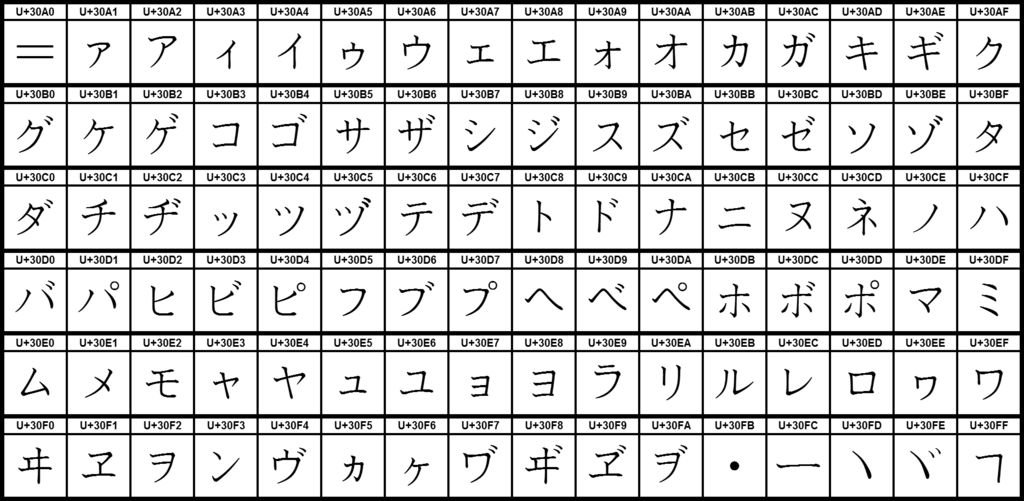
Katakana's main job is to write words that are borrowed from other languages. For example, the word for "coffee" comes from Dutch and is written コーヒー (kōhī). The word for "computer" is コンピューター (konpyūtā).
You'll also see Katakana used for onomatopoeia (sound words), company names, and for adding emphasis, much like we use italics in English.
| Sound | Hiragana | Katakana |
|---|---|---|
| a | あ | ア |
| ki | き | キ |
| su | す | ス |
| te | て | テ |
| no | の | ノ |
Notice how the Hiragana characters are rounder while their Katakana counterparts are more angular.
Kanji The Meaning-Bearers
Kanji are logographic characters adopted from Chinese. Unlike Hiragana and Katakana, which represent sounds, Kanji represent ideas or entire words. For instance, the character 木 means "tree," and the character 山 means "mountain."
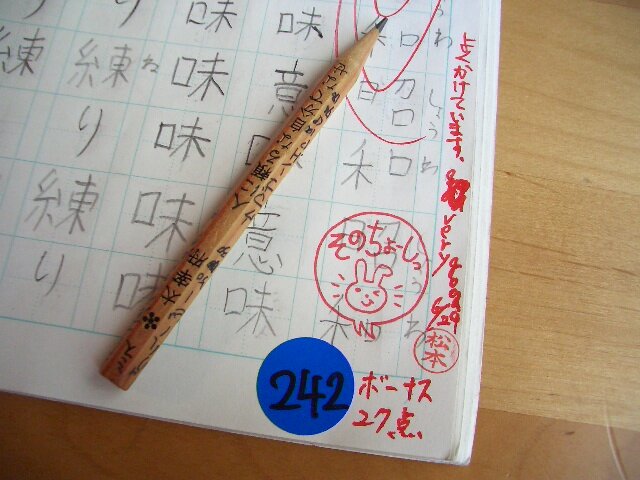
There are thousands of Kanji in use, but you only need to know around 2,000 to read most newspapers and books. They are used for the core meaning-carrying parts of a sentence, like nouns, verb stems, and adjective stems.
For example, to write "I eat sushi," you'd use a mix of scripts:
I eat sushi.
Let's break that sentence down:
- 私 (watashi - I) and 寿司 (sushi) are written in Kanji.
- は (wa) and を (o) are grammatical particles written in Hiragana.
- 食べます (tabemasu - eat) is a verb. The stem 食 is Kanji, and the ending べます is Hiragana.
If we were to add a foreign word, like "I eat pizza," Katakana would join in.
I eat pizza.
Here, ピザ (piza) is written in Katakana because it's a loanword.
Let's check your understanding of these three scripts.
What is the primary function of the Katakana script?
Which script is characterized by its curvy, flowing appearance and is the first one Japanese children learn?
Learning these three systems is the first major step to reading and writing Japanese. By understanding the role of each script, you can start to see how they fit together to form a rich and expressive language.