Introduction to Japanese Culture
Ancient Japan
The First Peoples
Japan's story begins long before the first emperors and samurai. For thousands of years, the islands were home to a hunter-gatherer society known as the Jomon people. The name "Jomon" means "cord-marked," which describes the patterns they pressed into their clay pots.
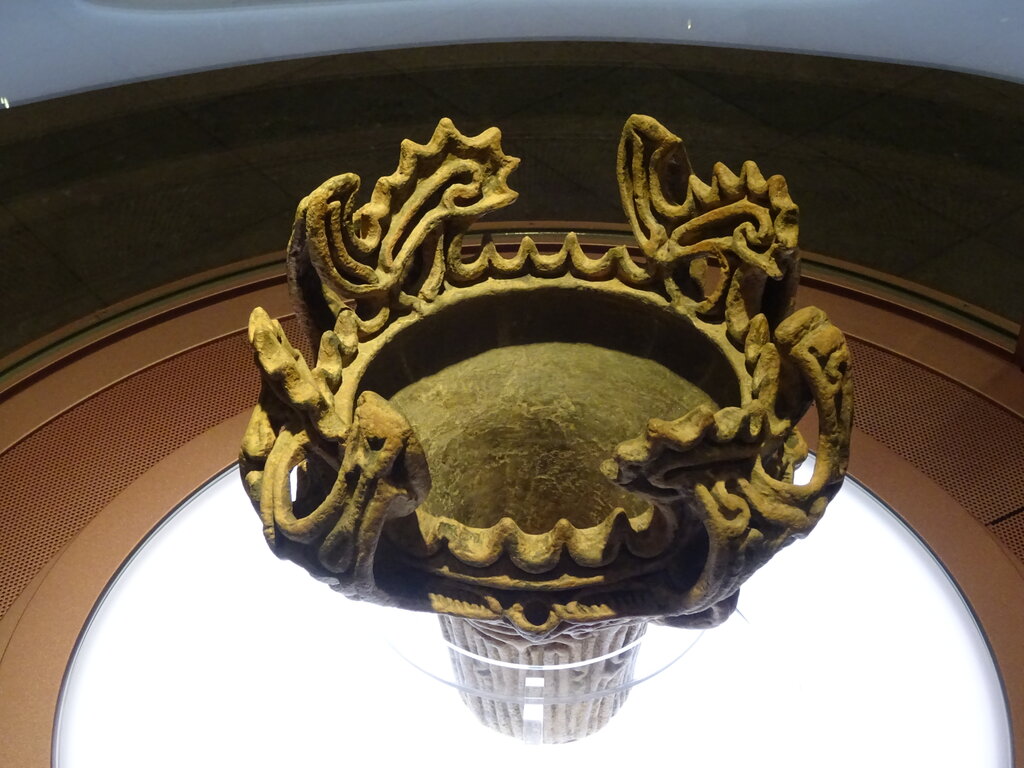
The Jomon lived in tune with the seasons, hunting game, gathering plants, and fishing along the coasts. They were skilled artisans, creating not just pottery but also intricate lacquerware and tools from bone and stone. They lived in small, settled communities but didn't rely on farming.
Around 300 BCE, a new wave of people arrived, likely from the Korean peninsula. These newcomers, known as the Yayoi, brought monumental changes that would reshape the Japanese islands forever.
A New Way of Life
The most significant change the Yayoi brought was wet-rice agriculture. Cultivating rice required a completely different lifestyle. People had to settle in one place, build irrigation systems, and work together to plant and harvest crops. This shift from hunting and gathering to farming created stable food surpluses, which allowed villages to grow larger and more complex.
Along with farming, the Yayoi introduced metalworking. They brought knowledge of how to make tools and weapons from bronze and iron. These new materials were stronger and more efficient than the stone tools of the Jomon, leading to better farming equipment and more powerful weapons for warfare between competing communities.
The move to agriculture wasn't just about food. It led to permanent settlements, growing populations, and the beginning of a more stratified society.
The Rise of Yamato
As Yayoi villages grew, society organized itself into clans, or uji. These were powerful family groups, each led by a chieftain who was both a warrior and a high priest. Over several centuries, these clans fought and formed alliances, with some becoming much more powerful than others.
By the 4th century CE, one clan emerged as dominant: the Yamato. Based in the fertile plains of central Japan, the Yamato clan expanded its influence through military might and strategic marriages. This was the beginning of the first Japanese state.
The Yamato rulers adopted ideas and technologies from mainland Asia, particularly China and Korea. They imported the Chinese writing system, which was Japan's first. They also studied Chinese models of government and philosophy, like Confucianism, to help organize their growing state. The Yamato court established a system of ranks and titles, creating a clear social and political hierarchy.
The Way of the Gods
Long before Buddhism or Confucianism arrived from the mainland, Japan had its own unique set of spiritual beliefs. This ancient faith is now called Shinto, which translates to "the way of the gods."
Shinto
noun
The traditional religion of Japan, focusing on ritual practices to establish a connection between present-day Japan and its ancient past.
Shinto has no single founder or sacred texts. Instead, it's a collection of beliefs centered on the kami—divine spirits that inhabit natural objects and forces, like mountains, rivers, wind, and trees. Shinto emphasizes purity, harmony with nature, and reverence for ancestors.
The Yamato rulers cleverly wove Shinto beliefs into their political structure to cement their power. They claimed direct descent from the most important kami, the sun goddess Amaterasu. This divine ancestry gave the Yamato imperial family a powerful right to rule that no other clan could challenge. To this day, the Japanese emperor is seen as a symbol of the state and the unity of the people, a tradition that began with the Yamato.
Ready to test your knowledge of ancient Japan?
What does the name “Jomon” refer to, based on the people’s most characteristic artifact?
The introduction of wet-rice agriculture by the Yayoi people was a monumental change because it...
From the early hunter-gatherers to the rise of a unified state, ancient Japan laid the cultural and political groundwork for everything that followed.