Introduction to Japanese Culture
Ancient Japanese History
The First People of Japan
The story of Japan begins long before emperors and samurai. For thousands of years, the islands were home to a unique hunter-gatherer society known as the Jōmon. Their culture lasted for an incredibly long time, roughly from 14,000 BCE to 300 BCE.
The Jōmon people lived by hunting, fishing, and gathering plants and nuts. They didn't farm, but they weren't entirely nomadic either. They built pit-dwellings in small settlements and had a rich spiritual life, creating clay figurines called dogū.
What truly sets the Jōmon apart is their pottery. They created some of the oldest known pottery in the world. The name Jōmon itself means "cord-marked," which describes the patterns they pressed into the wet clay using ropes and sticks. These pots weren't just for storage; many were elaborate, flame-like vessels used for rituals.
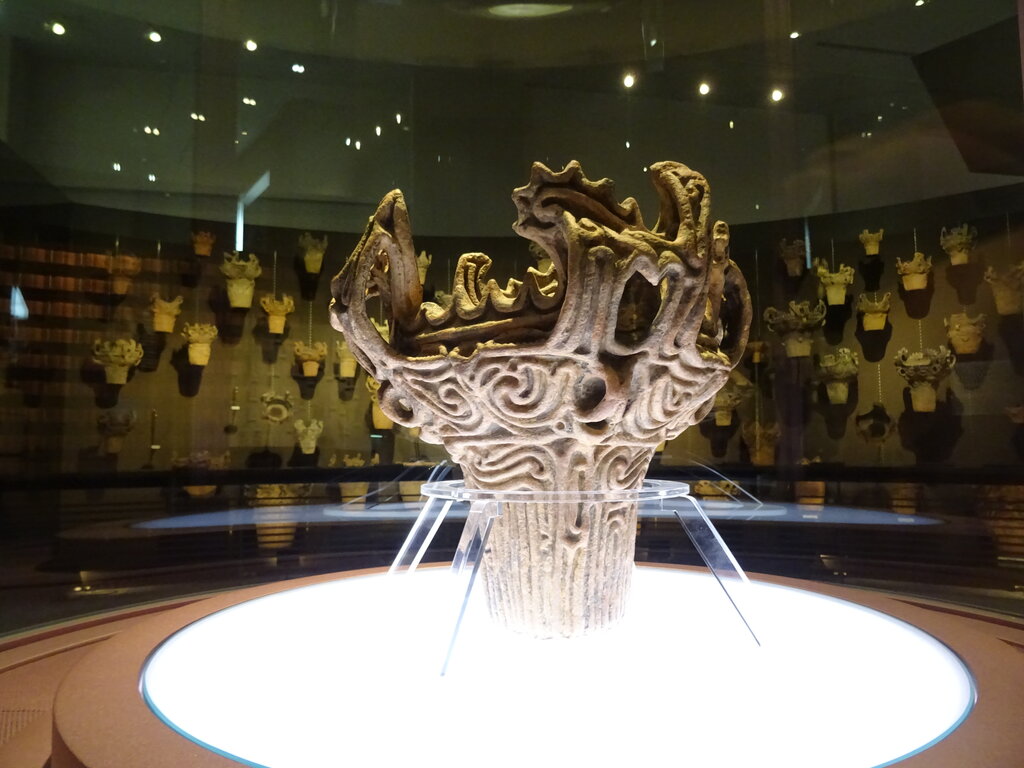
These early communities were relatively small and egalitarian. Without large-scale agriculture, there wasn't much surplus food to create significant wealth gaps or powerful ruling classes. Life was tied to the seasons and the resources of the land and sea.
A New Way of Life
Around 300 BCE, a massive change swept across Japan, marking the beginning of the Yayoi period. New groups of people began to arrive from the Asian mainland, likely from the Korean peninsula. They brought with them revolutionary technologies and ideas that would transform the islands forever.
The most important of these was wet-rice agriculture. Instead of just hunting and gathering, people could now cultivate rice in irrigated paddies. This created a stable and abundant food source, allowing for much larger, permanent villages to form.
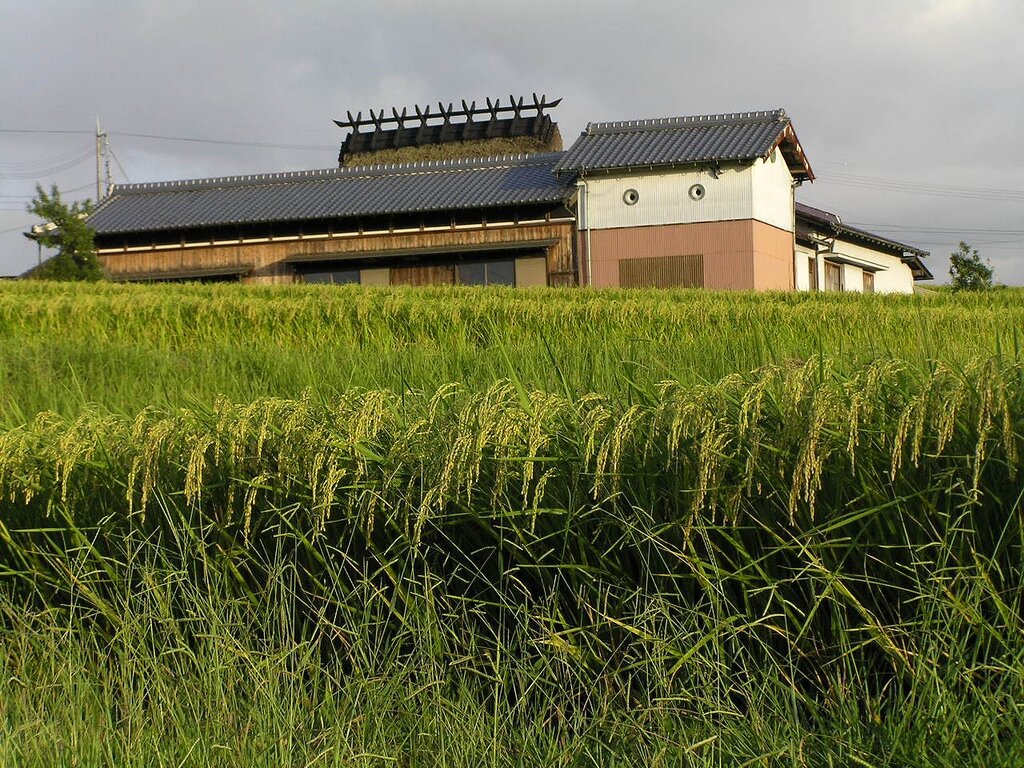
Farming changed everything. With a surplus of food, not everyone needed to be a farmer. This allowed for specialization: artisans, warriors, and priests emerged. Society became more complex and hierarchical. Villages grew, sometimes protected by moats and wooden fences, suggesting that conflict was becoming more common as groups competed for land and resources.
The newcomers also brought knowledge of metallurgy. The stone tools of the Jōmon were gradually replaced by bronze and iron.
From Clay Pots to Metal Tools
The technological shift from the Jōmon to the Yayoi period was stark. Bronze was used primarily for ceremonial items like bells, mirrors, and weapons, likely owned by chieftains and elites to signify their status. These objects were often based on Chinese and Korean designs, showing a clear connection to the mainland.
Iron, being more practical and durable, was used for everyday tools like axes and farming implements. This made clearing land and building much more efficient, further fueling the agricultural revolution. Yayoi pottery was also different from Jōmon pottery. It was less ornate and more functional, designed for storing grain and cooking.
This period saw the formation of early proto-states or kingdoms. Chinese historical texts from this time mention the land of "Wa," a name for Japan, describing it as a country of hundreds of small tribal communities.
By the end of the Yayoi period around 300 CE, Japan was a very different place. The hunter-gatherer lifestyle had given way to an agricultural society with a growing population, distinct social classes, and political structures. This transformation laid the groundwork for the emergence of the first unified Japanese state in the following centuries.
Now, let's test your knowledge of early Japanese history.
What does the name "Jōmon" mean, in reference to their famous pottery?
What was the most significant technological innovation introduced during the Yayoi period that transformed Japanese society?