Introduction to Japanese
Japanese Writing Systems
One Language, Three Scripts
Unlike English with its single alphabet, Japanese uses a combination of three different scripts to form its writing system. This might sound complicated, but it's a logical system that adds a lot of nuance to the written language.
The Japanese writing system consists of three main scripts: Hiragana, Katakana, and Kanji.
Each script has a distinct role. Learning them one by one is the key. Most learners start with Hiragana, as it's the phonetic backbone of the language.
Hiragana: The Foundation
Hiragana (ひらがな) is a syllabary, meaning each character corresponds to a syllable. For example, instead of separate letters for 'k' and 'a', there is a single character for 'ka' (か).
Hiragana is used for native Japanese words, grammatical particles that connect words in a sentence, and verb and adjective endings. Its characters are rounded and flowing, which helps distinguish them from the other scripts.
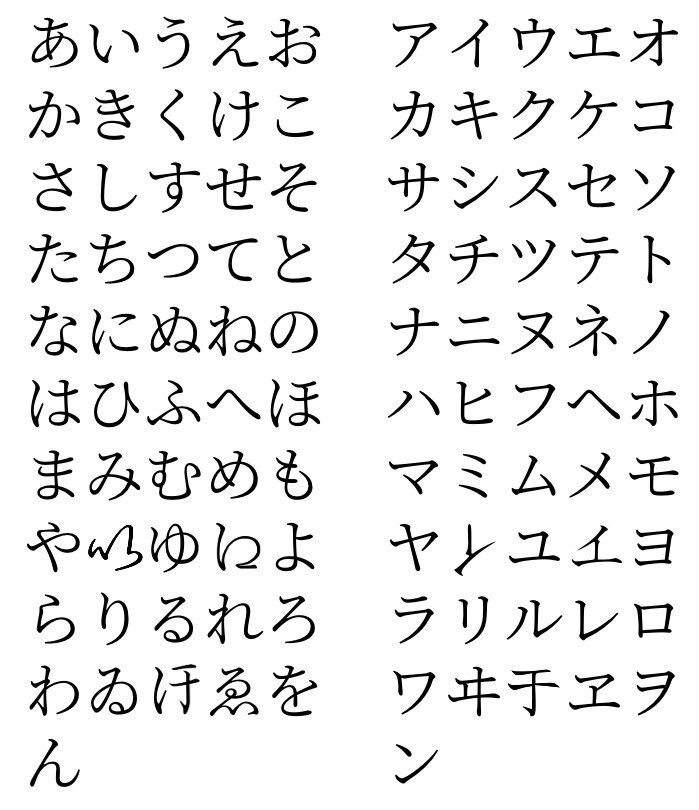
The entire script is built from five core vowels and a series of consonants that combine with them. The vowels are:
| Vowel | Pronunciation |
|---|---|
| あ | 'ah' as in father |
| い | 'ee' as in see |
| う | 'oo' as in moon |
| え | 'eh' as in get |
| お | 'oh' as in boat |
These vowels then combine with consonants to create syllables. For instance, the consonant 'k' combines with these vowels to form a new row of sounds:
| か (ka) | き (ki) | く (ku) | け (ke) | こ (ko) |
|---|
With just 46 basic characters, you can write any Japanese word phonetically. Mastering Hiragana is your first major step toward reading and writing Japanese.
Katakana: For Foreign Words
Katakana (カタカナ) is the second syllabary. It has the exact same set of 46 sounds as Hiragana, but the characters look different. They are more angular and sharp.
So, why have a second script for the same sounds? Katakana has a specific job: it's primarily used for words borrowed from other languages. You'll see it used for foreign names, brand names, and loanwords like 'computer' or 'coffee'. It's also used for emphasis, much like italics in English.
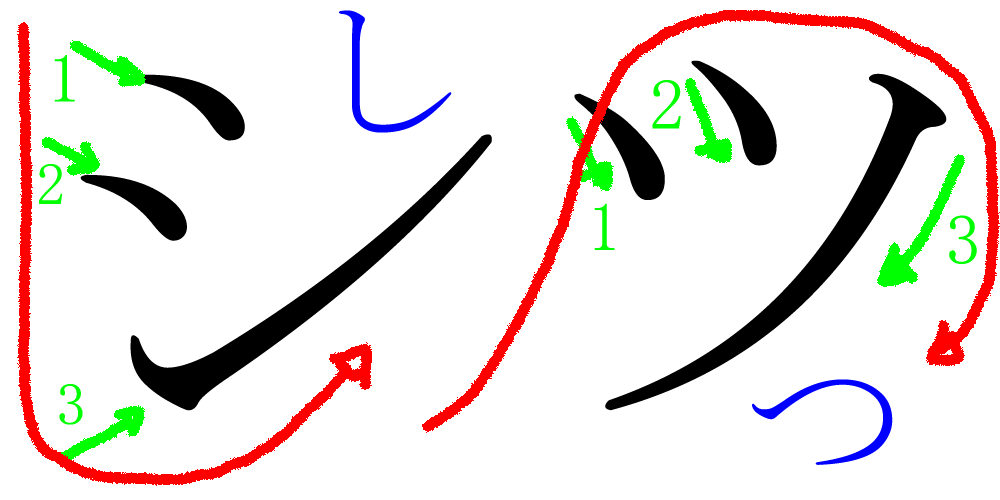
Let's look at the same 'k' row from before, but this time in Katakana.
| カ (ka) | キ (ki) | ク (ku) | ケ (ke) | コ (ko) |
|---|
Notice the sharp, straight lines compared to the curves of Hiragana. Since Katakana represents the same sounds as Hiragana, learning it is mostly a matter of memorizing a new set of shapes.
Kanji: Characters with Meaning
The final script is Kanji (漢字). These are characters borrowed from Chinese, and they are logographic. This means that instead of representing a sound, each Kanji represents an idea or a word. A single Kanji can mean 'mountain', 'river', or 'person'.
There are thousands of Kanji in use, but you only need to know around 2,000 for daily literacy. Japanese writing often mixes Kanji with Hiragana. Nouns and the stems of verbs and adjectives are typically written in Kanji, while the grammatical endings and particles are written in Hiragana.
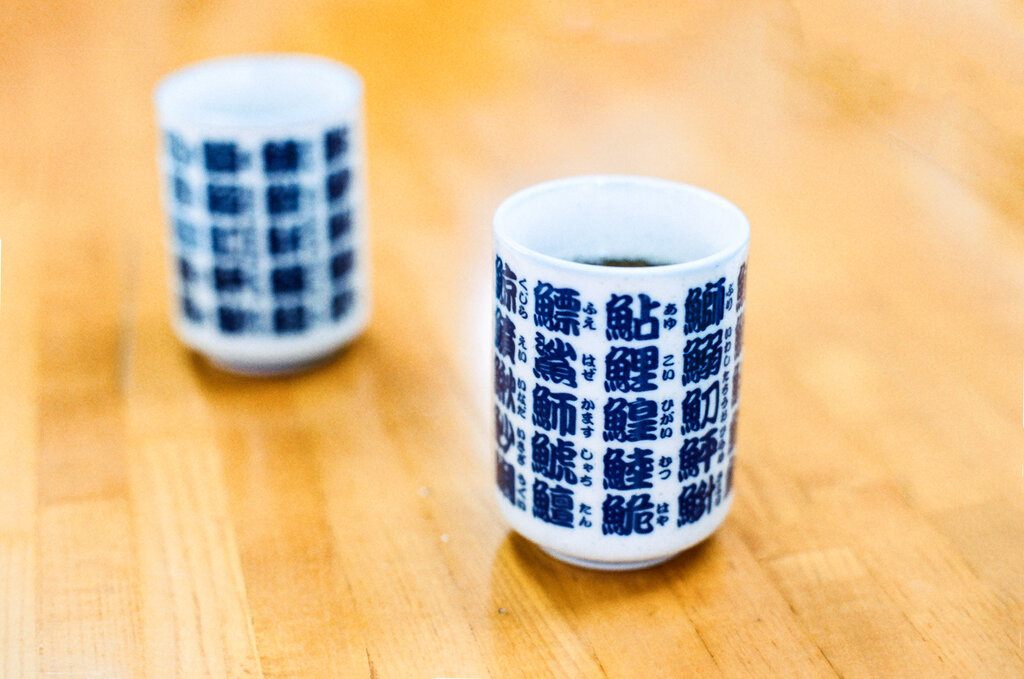
Here are a few basic Kanji to give you an idea of how they work:
| Kanji | Reading (Hiragana) | Meaning |
|---|---|---|
| 人 | ひと (hito) | person |
| 山 | やま (yama) | mountain |
| 川 | かわ (kawa) | river |
| 木 | き (ki) | tree |
| 日 | ひ (hi) | sun, day |
Learning Kanji is a longer journey, but it's done gradually. By combining these three scripts, the Japanese writing system can convey meaning and sound with great precision and elegance.
Ready to test your knowledge?
What is the primary function of the Katakana script?
Which statement best describes the fundamental difference between Hiragana and Kanji?
Understanding these three scripts is the starting point for everything else in Japanese. With a solid grasp of Hiragana, Katakana, and basic Kanji, you'll be well on your way.