Introduction to Japan
Japanese Writing Systems
The Three Scripts of Japanese
Unlike English, which uses a single alphabet, Japanese writing is a rich tapestry woven from three different scripts: Hiragana, Katakana, and Kanji. A single sentence can, and often does, use all three. Understanding the role of each is the first step to reading and writing Japanese.
Let's break down each one.
Hiragana: The Native Script
Hiragana (ひらがな) is the foundational script. It's a syllabary, meaning each character represents a syllable, like "ka," "shi," or "mu." There are 46 basic characters, each with a distinct, flowing, and rounded shape. Japanese children learn hiragana first, and it's essential for a few key reasons.
Hiragana is used for grammatical particles, which are words that connect other parts of a sentence. It's also used for verb and adjective endings, and for native Japanese words that don't have a common Kanji representation. If you don't know the Kanji for a word, you can write it in hiragana instead.
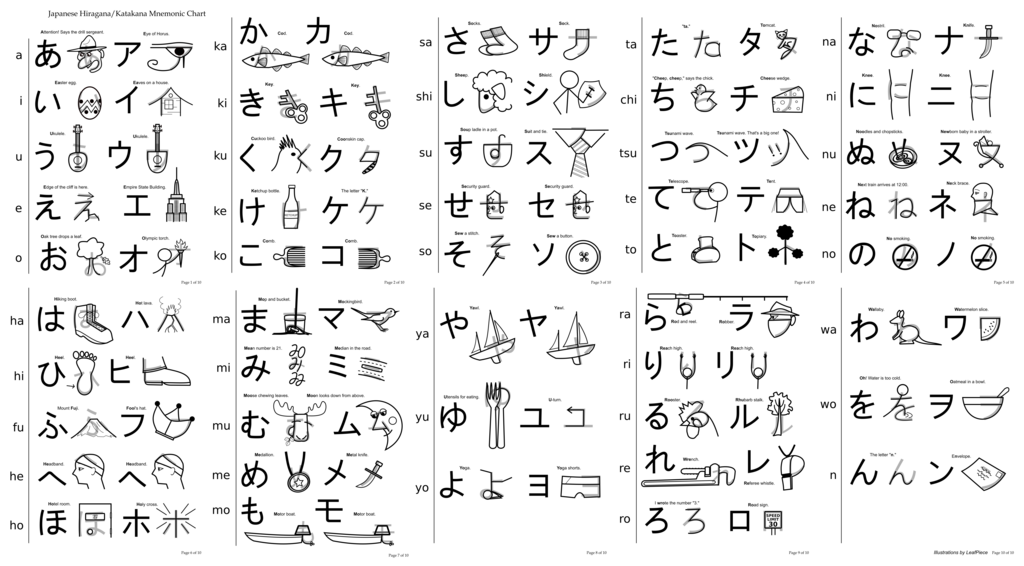
Because it represents sounds directly, you can theoretically write all of Japanese in hiragana. However, it would be very difficult to read because Japanese doesn't use spaces between words. Kanji help break up the sentence visually.
cat
Katakana: The Foreign Script
Katakana (カタカナ) is the second syllabary. It has the exact same 46 sounds as hiragana, but the characters look different. While hiragana is curvy and flowing, katakana is sharp and angular.
Its main job is to write foreign loanwords. Words like "computer" (コンピューター, konpyūtā) or "taxi" (タクシー, takushī) are written in katakana. It's also used for emphasis, much like italics in English, as well as for onomatopoeia (sound words) and scientific names of animals and plants.
bus
Learning katakana alongside hiragana is crucial because so many everyday words, especially in modern Japan, are borrowed from other languages.
Kanji: The Characters of Meaning
Kanji (漢字) are the most complex of the three scripts. These are logographic characters borrowed from Chinese, where each symbol represents an idea or a whole word rather than just a sound. For example, the kanji for mountain, 山, looks a bit like a mountain.
There are thousands of kanji in use. They form the core of the written language, used for most nouns, as well as the stems of verbs and adjectives.
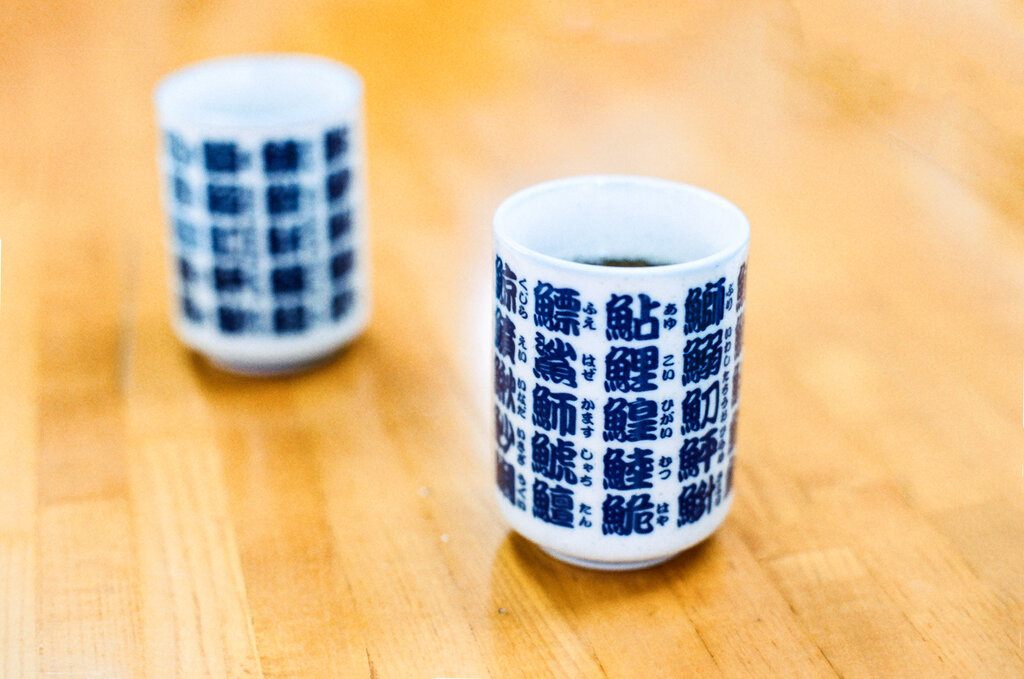
Most kanji have at least two different ways of being read. The "kun'yomi" is the native Japanese reading, while the "on'yomi" is based on the original Chinese pronunciation. The correct reading depends on the context and how the kanji is used in a word.
Learning kanji is a long journey, but it starts with recognizing the most common ones.
mountain
Putting it all together, a typical Japanese sentence is a blend of these three scripts. The kanji provide the core meaning, while hiragana adds the grammatical structure.
Let's look at an example: 私はアメリカ人です。 (Watashi wa Amerikajin desu.) / "I am American."
- 私 (watashi) is Kanji for "I".
- は (wa) is a Hiragana particle.
- アメリカ (Amerika) is Katakana for "America".
- 人 (jin) is Kanji for "person".
- です (desu) is Hiragana for "is/am".
This combination allows for a nuanced and efficient writing system. Now, let's review what we've covered.
Ready to check your understanding?
What is the primary role of the Katakana script in Japanese writing?
If you were writing the Japanese word for 'computer' (a word borrowed from English), which script would you most likely use?
Mastering these three scripts is the key to unlocking the Japanese language. Each has its own history and purpose, but they work together seamlessly.