Introduction to Japan
Introduction to Japanese History
Ancient Roots
Japan's story begins with the Jomon period, around 10,000 BCE. For millennia, the inhabitants were hunter-gatherers. They created distinctive pottery with cord-like patterns, which is how the period gets its name—Jomon means "cord-marked."
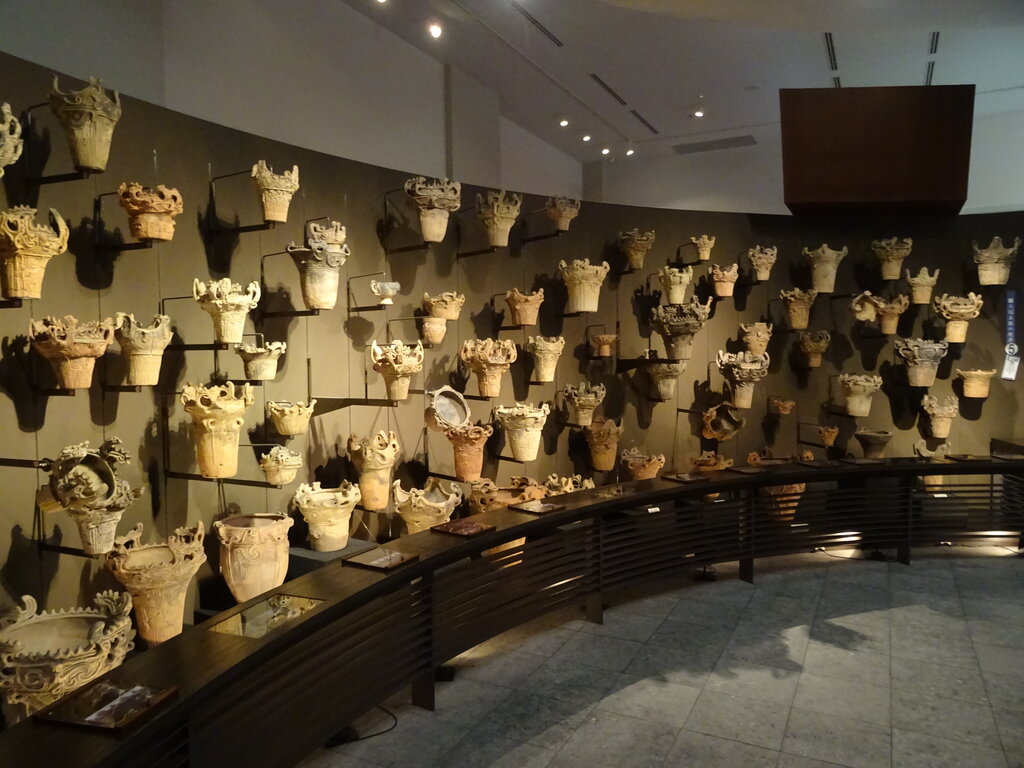
Around 300 BCE, a new wave of change arrived with the Yayoi period. Immigrants brought rice cultivation and metalworking from the Asian mainland. This shift from hunting and gathering to farming created settled communities. Social classes began to form, and small states emerged, setting the stage for a unified Japan.
The Age of the Samurai
By the 12th century, Japan entered its feudal era. Power, once held by the emperor in Kyoto, shifted to powerful landowning clans and their warriors: the samurai. These clans fought for dominance until one leader, Minamoto no Yoritomo, established the first military government, or shogunate, in 1192. He took the title of shogun, or supreme military commander.
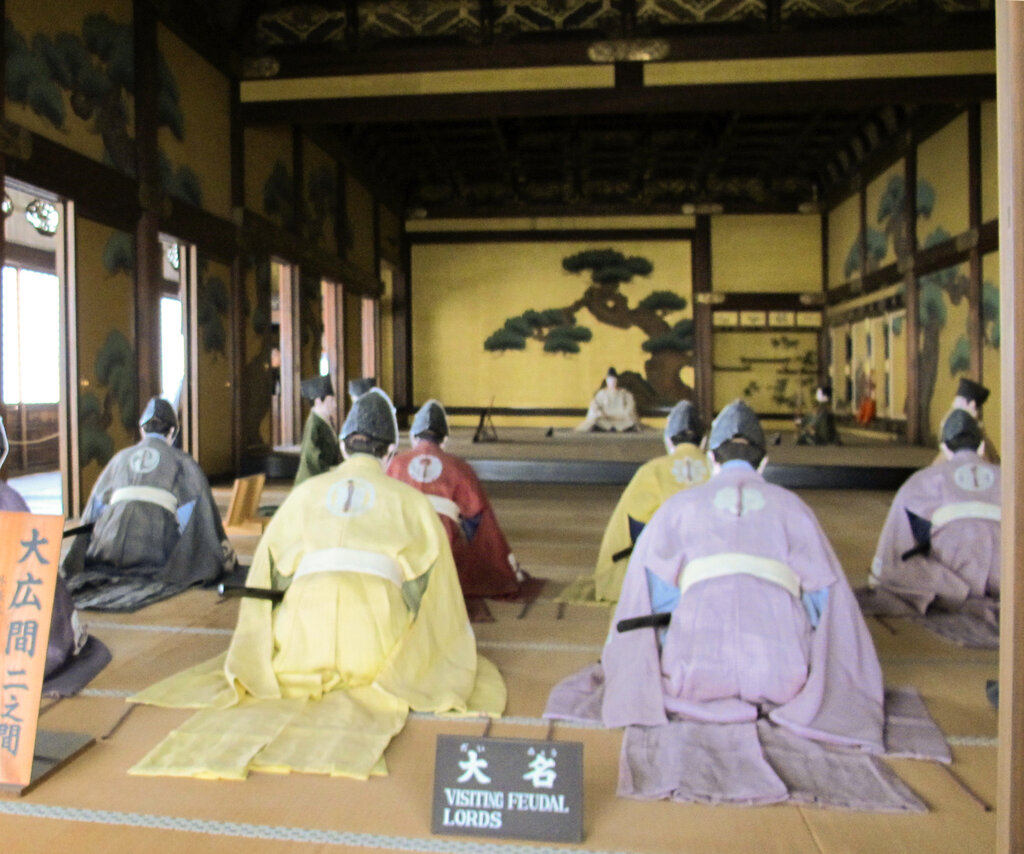
For nearly 700 years, shoguns ruled Japan. The emperor remained a figurehead, respected but with little real authority. The country was divided into domains ruled by powerful lords called daimyo, who pledged loyalty to the shogun. This system created a long period of internal conflict but also shaped the famous samurai code of conduct, Bushido.
A Rush to Modernize
Japan's relative isolation ended abruptly in 1853 when U.S. Commodore Matthew Perry sailed into Tokyo Bay, demanding that Japan open its ports to trade. This event exposed the shogunate's weakness and sparked a crisis.
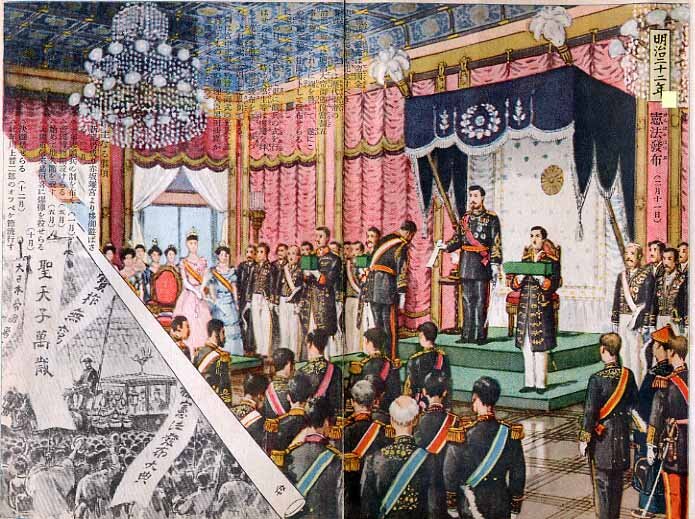
In response, a group of ambitious young samurai overthrew the shogun and restored the emperor to power in 1868. This event is known as the Meiji Restoration. The new government, under Emperor Meiji, launched a massive campaign of modernization. They looked to the West, adopting new technologies, political systems, and military strategies. The goal was to make Japan strong enough to resist Western imperialism. Feudalism was abolished, a modern army was created, and industrialization began at a breathtaking pace.
Conflict and Rebirth
By the early 20th century, Japan had become a major power. It built an empire, colonizing Taiwan and Korea and expanding into mainland China. This imperial ambition ultimately led Japan into conflict with the United States and its allies in World War II.
The war ended in devastation for Japan after the atomic bombings of Hiroshima and Nagasaki in 1945. Following its surrender, Japan was occupied by Allied forces, primarily the United States. During the occupation, Japan adopted a new, democratic constitution that renounced war.
From the ashes of war, Japan experienced an astonishing recovery. Focusing on technology and manufacturing, the country became an economic superpower in the post-war decades. This period, often called the "Japanese economic miracle," transformed Japan into the peaceful and prosperous nation it is today.
Now, let's test your knowledge of Japan's journey through time.
What does the term "Jomon," which names Japan's earliest historical period, translate to?
What was the most significant societal change that occurred during the Yayoi period?
From ancient potters to modern innovators, Japan's history is one of remarkable adaptation and change.