Introduction to Italian Language and Culture
Italian Alphabet and Sounds
The Italian Alphabet
The Italian alphabet is a great place to start your journey. It's based on the Latin alphabet, just like English, but it's a bit shorter. The standard alphabet has 21 letters. You'll find that letters like J, K, W, X, and Y are missing. They only show up in foreign words that have been adopted into Italian, like jeans or weekend.
Spoken Italian follows the written language exactly with each letter corresponding to one specific sound.
This phonetic consistency is a huge advantage for learners. Once you know the sound for each letter, you can pronounce almost any word you see. Let's look at the letters and their Italian names.
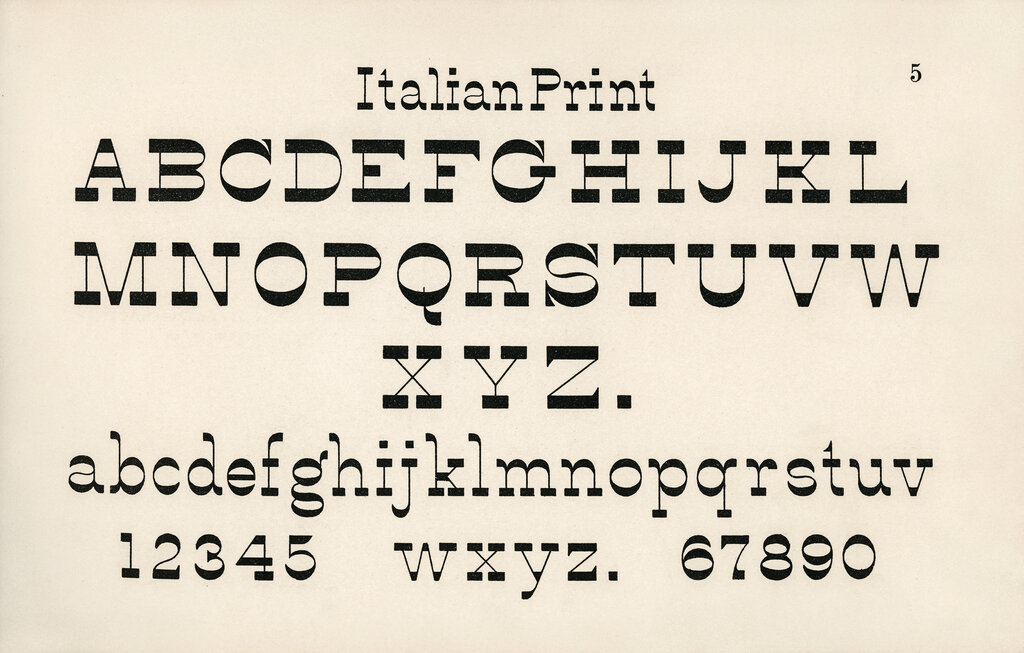
| Letter | Name | Pronunciation of Name |
|---|---|---|
| A a | a | ah |
| B b | bi | bee |
| C c | ci | chee |
| D d | di | dee |
| E e | e | eh |
| F f | effe | ef-feh |
| G g | gi | jee |
| H h | acca | ahk-kah |
| I i | i | ee |
| L l | elle | el-leh |
| M m | emme | em-meh |
| N n | enne | en-neh |
| O o | o | oh |
| P p | pi | pee |
| Q q | qu | koo |
| R r | erre | er-reh |
| S s | esse | es-seh |
| T t | ti | tee |
| U u | u | oo |
| V v | vi | vee |
| Z z | zeta | dzeh-tah |
Vowel Sounds
Italian has five vowel letters (A, E, I, O, U), but seven vowel sounds. Why? Because E and O can each make two different sounds: one "open" and one "closed."
Don't worry too much about the open and closed sounds for now. It's a subtle difference that you'll pick up with practice. The most important thing is that Italian vowels are always clear and pure. They don't glide into other sounds like English vowels often do.
Here are the basic sounds:
| Vowel | Sound | Example Word | English Equivalent |
|---|---|---|---|
| A | ah | casa (house) | father |
| E | eh / ay | verde (green) | bed / cafe |
| I | ee | pizza (pizza) | meet |
| O | o / aw | molto (many) | no / law |
| U | oo | luna (moon) | moon |
Unlike in English, every vowel is pronounced. There are no silent vowels at the ends of words.
Consonant Sounds
Most Italian consonants sound similar to their English counterparts, but there are a few key exceptions you need to know. The letters C and G are the trickiest, as their sounds change depending on the vowel that follows them.
If C or G comes before A, O, or U, it makes a hard sound.
| Letter | Sound | Example |
|---|---|---|
| C | 'k' sound | cane (dog), cosa (thing), cucina (kitchen) |
| G | 'g' sound | gatto (cat), gola (throat), gusto (taste) |
But if C or G comes before E or I, it makes a soft sound.
| Letter | Sound | Example |
|---|---|---|
| C | 'ch' sound | cena (dinner), cinema (cinema) |
| G | 'j' sound | gelato (ice cream), giorno (day) |
What if you want the hard 'k' or 'g' sound before an E or I? You add an 'H'. The letter H itself is always silent, but it acts as a modifier.
- che (pronounced 'keh') as in perché (why)
- chi (pronounced 'kee') as in chiesa (church)
- ghe (pronounced 'geh') as in spaghetti
- ghi (pronounced 'gee') as in funghi (mushrooms)
This might seem complicated, but the rules are very consistent.
Special Combinations
Two letter combinations in Italian create sounds that don't exist in English. They require a bit of practice to get right.
The first is GN. This combination makes a sound similar to the 'ny' in 'canyon' or the 'ñ' in Spanish.
(a type of pasta)
Try saying 'canyon' but imagine the 'ny' sound is all one smooth consonant. Some other examples are bagno (bathroom) and ogni (every).
The second combination is GLI. This creates a liquid 'l' sound. Imagine the 'lli' in the word 'million,' but again, make it one smooth, flowing sound.
family
Other examples include aglio (garlic) and figlio (son). It takes some getting used to, but listening to native speakers will help you master it.
With these rules, you're ready to start sounding out Italian words. Remember that every letter counts.
Let's test what you've learned about Italian sounds.
How many letters are in the standard Italian alphabet?
In Italian, the letter 'C' makes a soft sound, like 'ch' in 'cherry', when it comes before which letters?
Great work. Mastering these fundamentals is the first and most important step to speaking Italian clearly.