Introduction to Italian Language
Italian Alphabet and Pronunciation
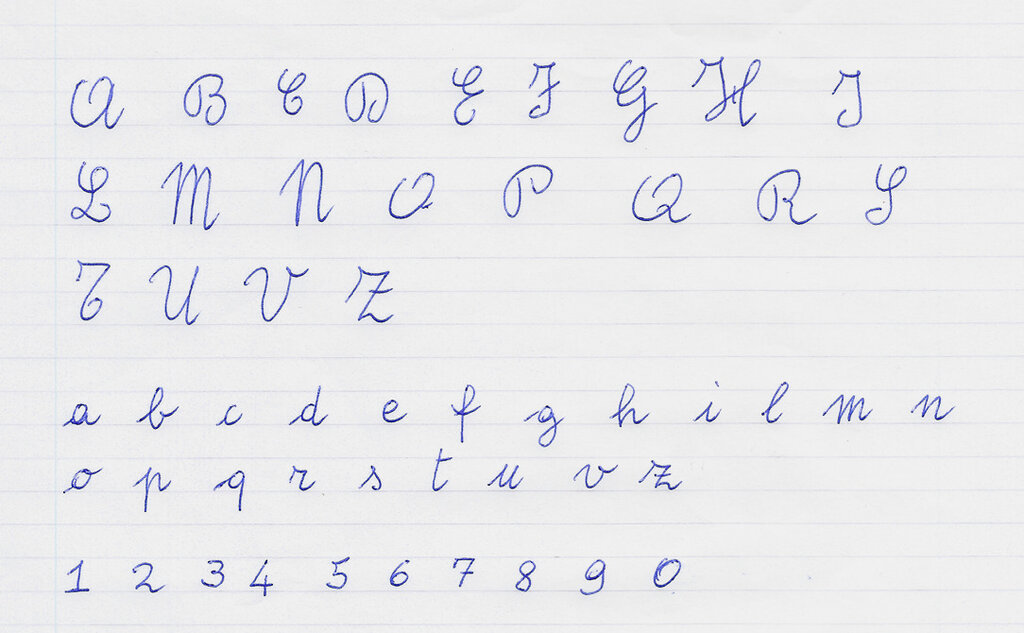
The Italian Alphabet
The Italian alphabet is straightforward and phonetic. This means words are pronounced exactly as they are spelled, which makes learning to read and speak much easier. Each letter corresponds to a single, specific sound.
The standard alphabet has 21 letters.
| A (a) | B (bi) | C (ci) | D (di) | E (e) | F (effe) | G (gi) |
|---|---|---|---|---|---|---|
| H (acca) | I (i) | L (elle) | M (emme) | N (enne) | O (o) | P (pi) |
| Q (cu) | R (erre) | S (esse) | T (ti) | U (u) | V (vu) | Z (zeta) |
You might have noticed a few letters are missing. The letters J (i lunga), K (cappa), W (doppia vu), X (ics), and Y (ipsilon) are not native to Italian. You will only see them in foreign words like jeans, weekend, or taxi.
Vowel Sounds
Italian has five vowels: A, E, I, O, U. Unlike in English, their sounds are consistent and pure. They are always pronounced clearly, even at the end of a word. Mastering these five sounds is a huge step toward speaking Italian clearly.
| Vowel | Sound (like in English) | Italian Example |
|---|---|---|
| A | "ah" as in father | amore (love) |
| E | "eh" as in bet | bene (good) |
| I | "ee" as in see | pizza (pizza) |
| O | "oh" as in go | moda (fashion) |
| U | "oo" as in food | luna (moon) |
A key rule in Italian is that every letter is pronounced. There are no silent letters, which simplifies pronunciation greatly.
Key Consonant Sounds
Most Italian consonants sound similar to their English counterparts. However, the letters 'C' and 'G' are special. Their pronunciation changes depending on the vowel that follows them. They can have a "hard" sound or a "soft" sound.
When 'C' and 'G' are followed by A, O, or U, they have a hard sound. • C sounds like 'k' (as in cat). • G sounds like 'g' (as in go).
When followed by E or I, they have a soft sound. • C sounds like 'ch' (as in cheese). • G sounds like 'j' (as in gem).
So, how do you make a hard 'k' or 'g' sound before an E or I? You add an 'H'. The 'H' itself is silent; it just signals that the consonant sound should be hard.
For example, che is pronounced 'keh' and ghi is pronounced 'ghee'.
| Combination | Sound | Italian Example |
|---|---|---|
| ca, co, cu | hard 'k' | casa (house) |
| ce, ci | soft 'ch' | cena (dinner) |
| che, chi | hard 'k' | che (what) |
| ga, go, gu | hard 'g' | gatto (cat) |
| ge, gi | soft 'j' | gelato (ice cream) |
| ghe, ghi | hard 'g' | maghe (witches) |
Special Combinations
Two other consonant combinations create unique sounds that don't exist in English. They might take a little practice.
gn
other
Pronounced like the 'ny' sound in "canyon" or "lasagna."
The other special combination is 'gli'.
gli
other
Pronounced like the 'lli' sound in "million."
How many letters are in the standard Italian alphabet?
True or False: In Italian, words are generally pronounced exactly as they are spelled.
With these rules, you can now sound out most Italian words. The phonetic nature of the language is a great advantage for new learners.