Introduction to Italian Culture
Ancient Rome
The Roman World
The story of ancient Rome is a tale of a small city-state that grew to rule the Mediterranean world. Its history is typically divided into two major periods: the Republic, founded in 509 BCE after overthrowing a monarchy, and the Empire, which began with Augustus in 27 BCE. This journey from a representative government to an imperial power shaped not only Italy but the course of Western civilization.
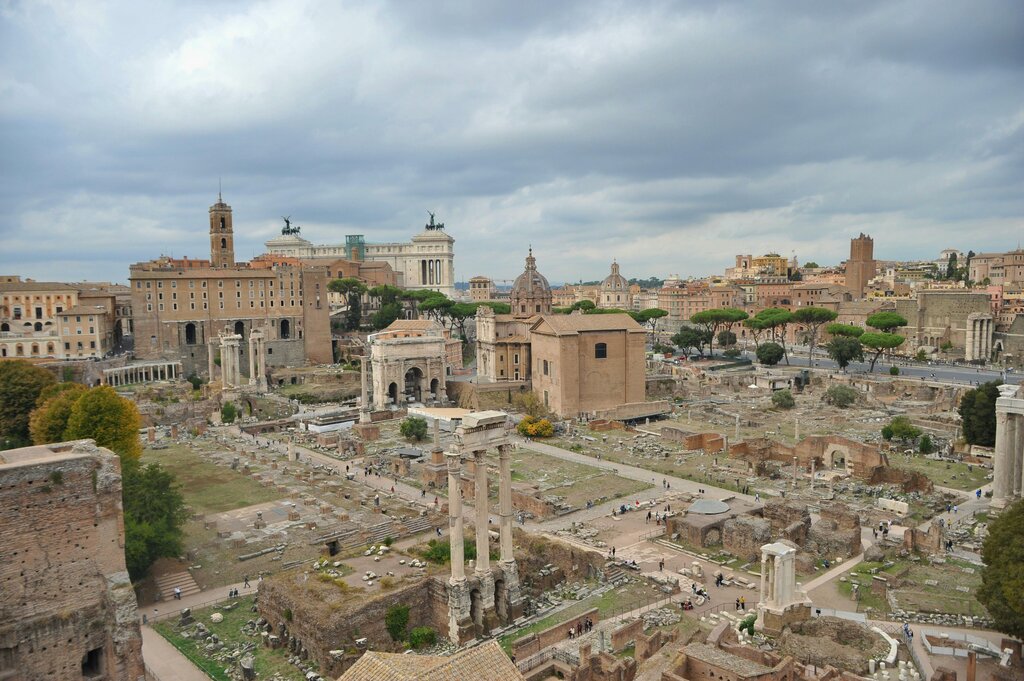
At the heart of the Republic was the principle of SPQR (Senātus Populusque Rōmānus), meaning "The Senate and People of Rome." Power was theoretically shared. The Senate, composed of elite patricians, advised magistrates and held enormous influence. Two elected consuls held executive power for one-year terms, preventing any single individual from accumulating too much control. Assemblies of the people, or plebeians, could pass laws and elect officials, though their power was often limited by the aristocratic Senate.
This division between the wealthy, land-owning patricians and the commoner plebeians was a source of constant political tension throughout the Republic's history.
The Republic was defined by its relentless expansion. Through a series of wars, including the famous Punic Wars against Carthage, Rome extended its control over the entire Italian peninsula and then across the Mediterranean. This expansion brought immense wealth and power but also created deep social and political problems. Vast agricultural estates worked by slaves displaced small farmers, leading to urban unrest. Ambitious generals with loyal armies, like Julius Caesar, began to challenge the Senate's authority, plunging the Republic into civil wars and ultimately leading to its collapse.
The Age of Emperors
Following the turmoil, Caesar's adopted son, Octavian, emerged as the sole ruler. In 27 BCE, the Senate granted him the title Augustus, marking the beginning of the Roman Empire. While Augustus maintained the appearance of the Republic, he consolidated power in his own hands as the first Roman emperor. His reign ushered in the Pax Romana, or "Roman Peace"—two centuries of relative stability and prosperity across the empire.
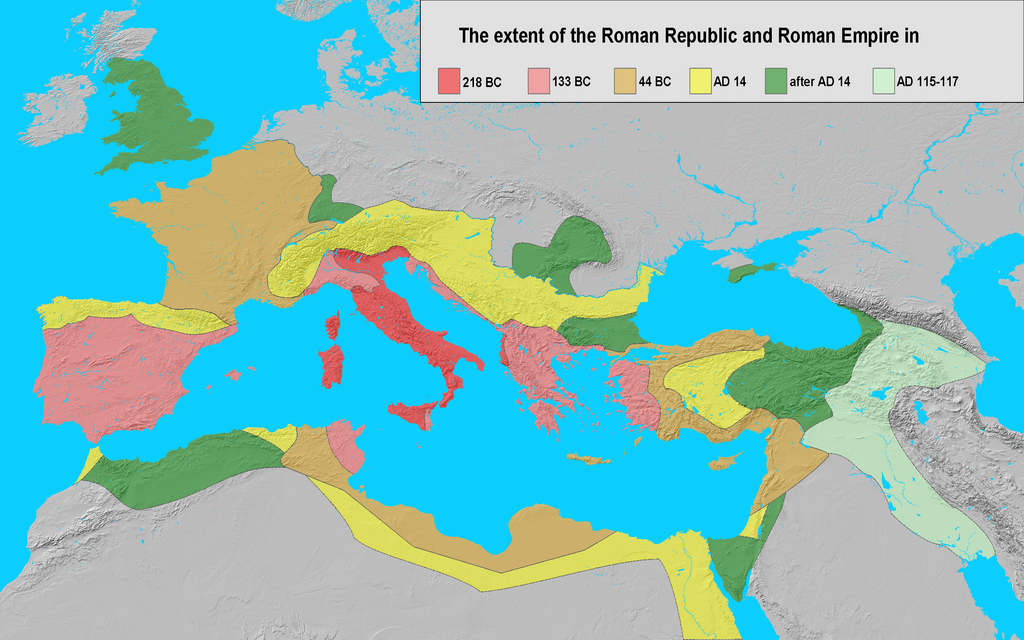
The Empire was a marvel of administration. It was divided into provinces, each governed by an official appointed by the emperor or the Senate. A vast network of roads connected the territories, facilitating trade, communication, and the rapid movement of legions. Roman law provided a unified legal framework that applied to all citizens, creating a sense of shared identity across diverse cultures.
Roman Law: More than just original, it provided a universalizing framework that could integrate diverse peoples and territories, standardizing interactions and solidifying the synthesized culture.
Society and Lasting Legacy
Roman society was highly stratified. The family was the basic unit, with the paterfamilias, or eldest male, holding absolute authority over his household. Social class determined one's rights and lifestyle, from the wealthy elites living in spacious homes (domus) to the common people crowded into apartment blocks (insulae).
| Class | Description |
|---|---|
| Patricians | The aristocratic, land-owning ruling class. |
| Plebeians | The general body of free Roman citizens. |
| Freedmen | Former slaves who had been granted their freedom. |
| Slaves | Considered property with no legal rights, forming the economy's backbone. |
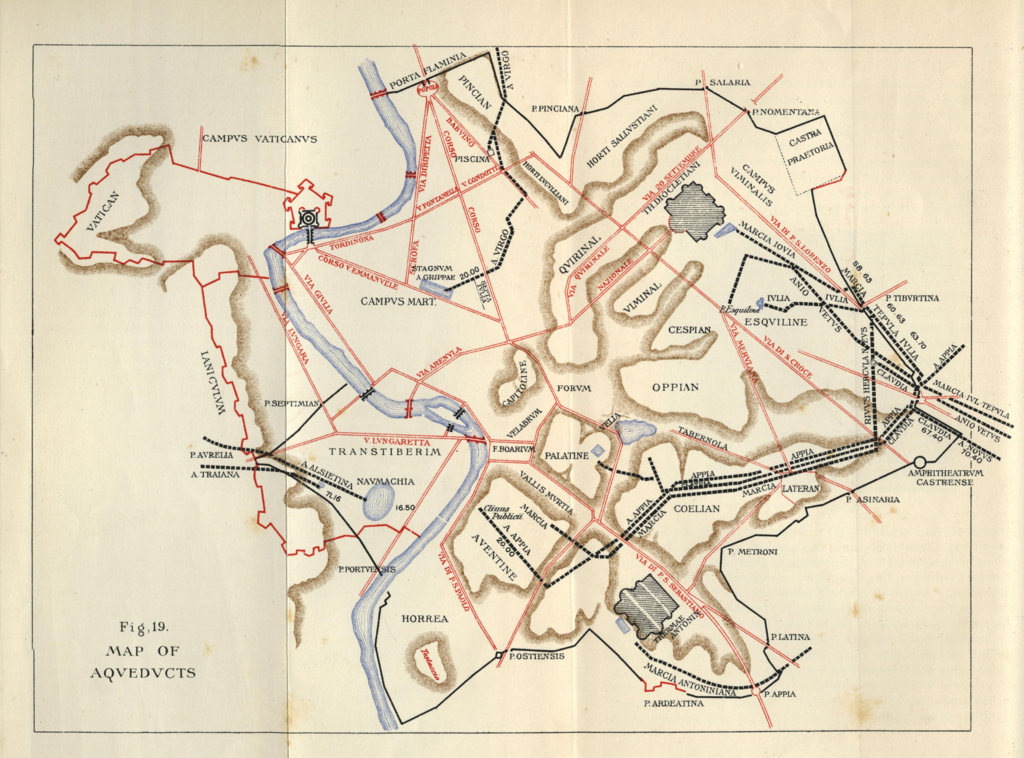
The Romans left an indelible mark on the world. Their architectural and engineering prowess is still visible in structures like the Colosseum and the aqueducts that supplied cities with water. Roman aqueducts, built with a precise, steady gradient, are a testament to their advanced understanding of hydraulics and construction.
Perhaps their most widespread legacy is language. Latin, the language of the Romans, became the foundation for the Romance languages, including Italian, French, Spanish, Portuguese, and Romanian. It also provided the vocabulary for law, medicine, and science for centuries.
The Latin Language
Now let's test your knowledge on the foundations of ancient Rome.
What did the acronym SPQR, a motto of the Roman Republic, represent?
The period of relative stability and prosperity that began with the reign of Augustus is known as the ____.
The rise of Rome from a small city to a dominant world power offers timeless lessons in governance, engineering, and culture. Its fall was gradual, caused by a combination of internal decay and external pressures, but its legacy endured, shaping the very foundations of modern Italy and the Western world.