Introduction to Investment Fund Management
Introduction to Financial Markets
Where Money Moves
Financial markets are where buyers and sellers trade financial assets like stocks, bonds, and currencies. Think of it like a massive, global marketplace. Instead of trading apples and carrots, people trade ownership in companies or lend money to governments and corporations.
The core purpose of these markets is to channel money from those who have it (savers and investors) to those who need it to fund projects or grow their operations (companies and governments). This flow of capital is the engine of economic growth. It allows businesses to expand, governments to build infrastructure, and individuals to save for the future.
The Key Players
Financial markets are a dynamic ecosystem with several key participants. Each plays a distinct role in the movement of money.
Individuals, corporations, and governments are the primary buyers and sellers. Financial intermediaries act as the connectors, making the market work efficiently.
Here’s how they interact:
Financial intermediaries are specialists that make these connections. Commercial banks take deposits and make loans. Investment banks help companies issue stocks and bonds. Mutual funds and pension funds pool money from many individuals to invest on a large scale.
Types of Markets and Assets
Financial markets aren't a single entity. They are divided based on the types of assets, or financial instruments, being traded.
Asset
noun
A resource with economic value that an individual, corporation, or country owns or controls with the expectation that it will provide a future benefit.
The two most common markets are the stock market and the bond market. They trade different types of assets with distinct characteristics.
-
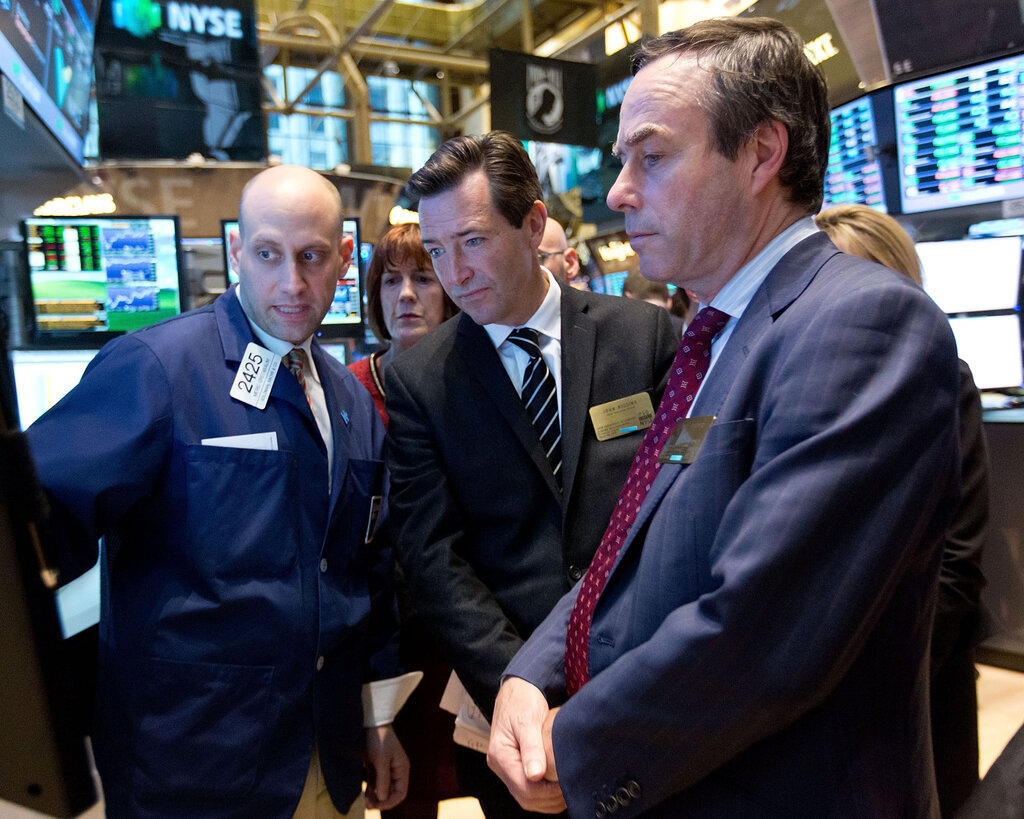
Stock Market: This is where you buy and sell stocks, also called equities. A stock represents a share of ownership in a public company. When you buy a stock, you become a part-owner of that business, entitled to a portion of its profits and assets.
-
Bond Market: This is where debt instruments are traded. When you buy a bond, you are essentially lending money to an entity, either a corporation or a government. In return for the loan, the issuer promises to pay you periodic interest payments (called coupon payments) and return the original amount of the loan (the principal) on a specific date, known as the maturity date.
Beyond stocks and bonds, there are other major asset classes.
Cash and Cash Equivalents: These are highly liquid, very safe investments. Think of savings accounts, money market funds, or short-term government debt like Treasury bills. They offer low returns but also have very low risk.
Alternatives: This is a broad category that includes assets like real estate, commodities (gold, oil), and private equity. These often behave differently from stocks and bonds.
| Asset Class | What it Represents | Primary Goal for Investor | General Risk Level |
|---|---|---|---|
| Stocks (Equities) | Ownership in a company | Growth through price appreciation | High |
| Bonds (Debt) | A loan to a company/gov't | Income from interest payments | Low to Medium |
| Cash | Money on hand or in safe accounts | Stability and liquidity | Very Low |
Understanding these fundamental building blocks is the first step in making sense of the world of finance. Each market and asset class has a unique role, offering different levels of risk and potential return to investors.
Now, let's test your understanding of these core concepts.
What is the primary function of financial markets?
When you purchase a stock, what are you acquiring?
These concepts form the foundation of investing. By grasping the roles of different markets, participants, and assets, you're better equipped to understand how wealth is created and managed in the global economy.