Introduction to Interior Design
Introduction to Interior Design
More Than Just Decoration
Interior design is the art and science of enhancing the interior of a building to create a healthier and more aesthetically pleasing environment for the people using the space. It’s about more than just picking out pretty pillows or a stylish sofa. It’s about solving problems and shaping experiences.
A well-designed room feels right. It’s easy to move through, comfortable to be in, and reflects the personality of its occupants. Think of a cluttered, poorly lit kitchen versus one that’s open, bright, and organized. The first is a source of stress, while the second makes cooking a joy. That transformation is the core purpose of interior design: to make spaces functional, safe, and beautiful.
Good design makes a space work for the people in it. It's about crafting an environment that supports a person's daily life, work, or relaxation.
This involves a deep understanding of how people live and interact with their surroundings. It’s a blend of psychology, art, and architecture, all aimed at improving our quality of life, one room at a time.
A Quick Trip Through Time
Interior design isn't a new concept. Humans have always shaped their living spaces. Ancient Egyptians decorated their tombs with murals and furniture for the afterlife. The Romans designed villas with intricate mosaics and open courtyards to manage light and air.
For centuries, however, elaborate design was a luxury reserved for the wealthy and powerful. The Industrial Revolution changed that. Mass production made furniture, textiles, and decorative objects more affordable and accessible to the middle class.
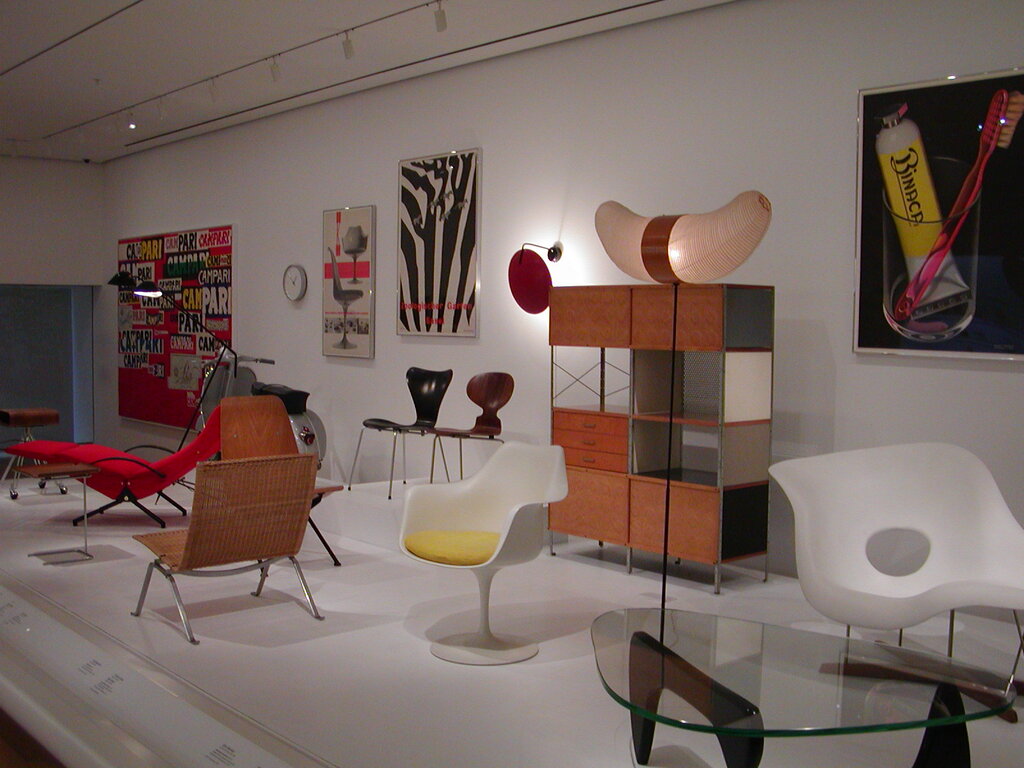
This led to a wave of new ideas and movements. The 20th century, in particular, saw a creative explosion. Modernism introduced the idea of “form follows function,” stripping away unnecessary ornamentation in favor of clean lines and practicality. This focus on simplicity and functionality continues to influence design today, blending with other styles to create the diverse and personal spaces we live in.
The Designer's Role
An interior designer wears many hats. They are part artist, part project manager, and part psychologist. Their work goes far beyond choosing colors and fabrics. A designer's primary responsibility is to bring a client's vision to life while ensuring the space is practical and well-executed.
It all starts with listening. The first step is to understand the client's needs, lifestyle, and budget. Who will use the space? What activities will happen there? What feeling should it evoke? Answering these questions lays the groundwork for every decision that follows.
Designing with human experience in mind means prioritizing the way a space makes people feel, how it influences daily interactions, and how it integrates into the community and environment.
Once the goals are clear, the designer moves on to space planning. This is the strategic arrangement of furniture, appliances, and structural elements to optimize the flow and function of a room. It’s like creating a blueprint for living. A good layout makes a space feel larger, more organized, and easier to use.
Finally, the designer integrates all the design elements—light, color, pattern, texture, and materials—to create a cohesive and harmonious environment. Every choice, from the wall color to the fabric of the curtains, should work together to support the overall design concept. The result is a space that isn't just a collection of objects, but a unified whole that feels intentional and complete.
Now, let's test your understanding of these foundational ideas.
What is the core purpose of interior design?
The Modernist principle of “form follows function” primarily emphasizes...
Understanding these fundamentals is the first step in appreciating how thoughtful design can transform our daily lives, making our environments not just more beautiful, but more functional and joyful as well.