Introduction to Interior Design
Introduction to Interior Design
More Than Just Decoration
Interior design is the art and science of enhancing a building's interior to create a healthier and more aesthetically pleasing environment for the people using the space. It goes far beyond simply choosing paint colors and furniture. It's about crafting experiences.
Think about the last time you walked into a room that made you feel something—calm, energized, or inspired. That feeling wasn't an accident. It was the result of deliberate design choices involving space, light, materials, and layout. Good interior design solves problems and improves our quality of life by making daily routines more efficient and enjoyable.
Interior Design
noun
The art and science of understanding people's behavior to create functional, aesthetically pleasing spaces within a building.
The scope of interior design is broad, covering everything from cozy residential homes and bustling restaurants to productive office spaces and healing hospital environments. At its core, it's a practice focused on people and how they live, work, and interact within their built surroundings.
A Brief History of Style
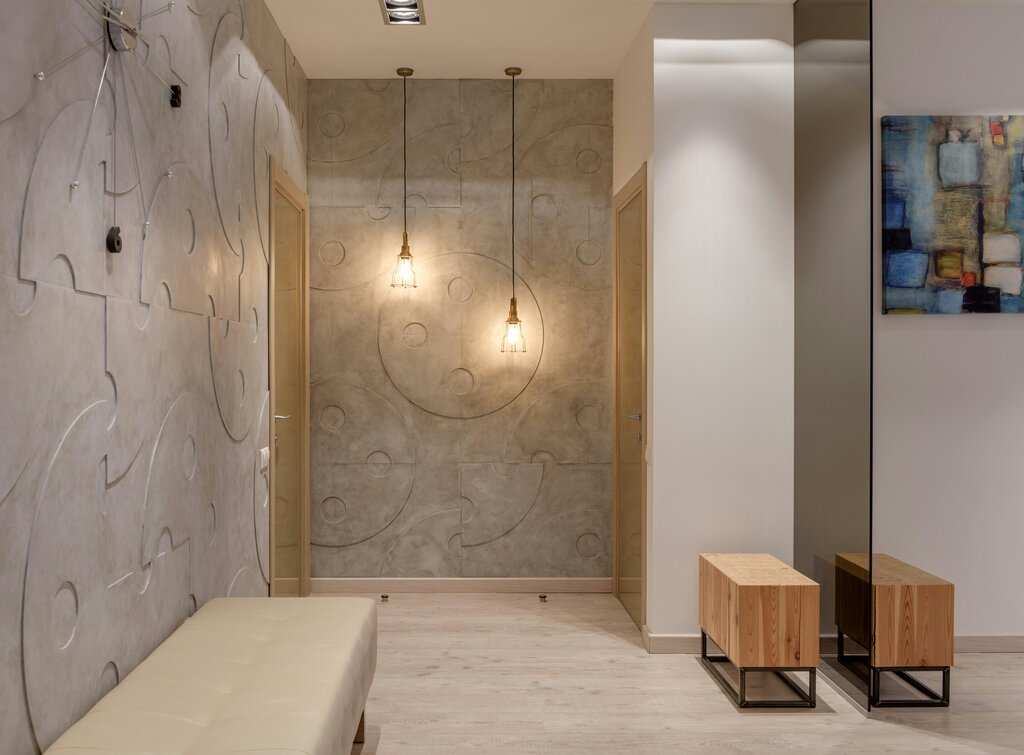
Interior design as a formal profession is relatively new, but the practice of shaping interior spaces is as old as architecture itself. Ancient Egyptians decorated their mud-brick homes with simple furnishings and vibrant murals, while Romans used mosaics and decorative frescoes to adorn the villas of the wealthy.
Throughout history, design trends have mirrored the cultural, social, and technological shifts of their time. The ornate and lavish Baroque and Rococo styles of 17th and 18th century Europe reflected the power of the aristocracy. In contrast, the Industrial Revolution brought mass-produced furniture and new materials, making design accessible to a growing middle class.
Each design movement is a reaction to what came before, telling a story about the values and aspirations of its era.
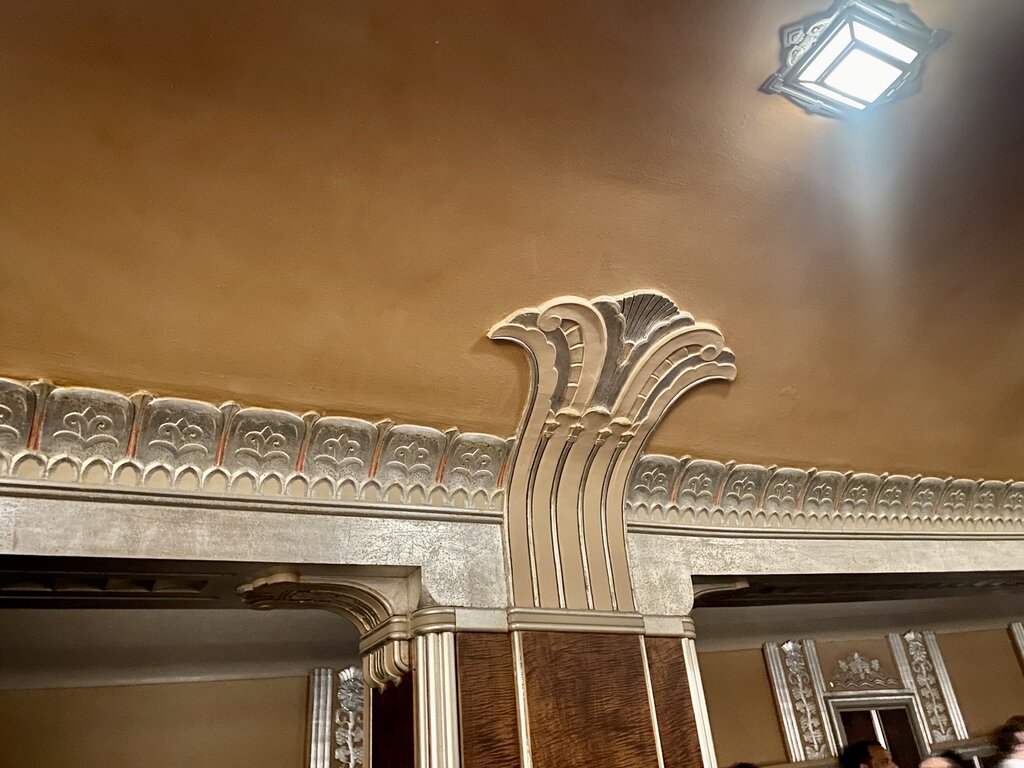
The 20th century saw a rapid succession of influential movements. Art Nouveau championed organic forms inspired by nature, while Art Deco celebrated the machine age with bold geometric patterns and lavish ornamentation. Modernism, which emerged in the early to mid-century, stripped away excess in favor of simplicity, clean lines, and function. This movement gave rise to iconic styles like Scandinavian design, known for its minimalism and emphasis on natural light, and Mid-Century Modern, characterized by its organic shapes and connection to the outdoors.
Design's Impact on You
The spaces we inhabit have a profound effect on our psychological well-being. This connection is the focus of a field called environmental psychology. A room with ample natural light can boost your mood and energy levels, while a cluttered and poorly lit space can contribute to feelings of stress and anxiety.
Design choices influence our behavior. Open-plan offices are intended to foster collaboration, while the layout of a coffee shop can encourage both quiet work and social interaction. By understanding how color, light, space, and texture affect us, designers can create environments that support our mental and emotional health.
Designing with human experience in mind means prioritizing the way a space makes people feel, how it influences daily interactions, and how it integrates into the community and environment.
A well-designed home can be a sanctuary, a place for rest and rejuvenation. A thoughtfully planned hospital room can promote healing. An inspiring classroom can enhance learning. This is the true power of interior design: to shape environments that not only look good but also help us live better.
Ready to check your understanding? Let's see what you've learned.
What is the primary goal of interior design, according to its core principles?
The design movement that stripped away excess in favor of simplicity, clean lines, and function is known as ________.
You've now explored the core concepts of interior design, from its historical roots to its impact on our daily lives. This foundation will help you as you learn about the more specific elements of creating beautiful and functional spaces.