Introduction to Insurance Underwriting
Introduction to Risk
What is Risk?
In everyday life, risk is a word we use for situations with uncertain outcomes. Will it rain during my hike? Will my favourite cafe have any scones left? This uncertainty is the core of what risk means in the world of insurance, too. It’s the chance that something unexpected will happen.
In insurance, risk isn't just about danger. It's about the possibility of an unintended or unexpected loss.
When an insurance company considers taking on a new policy, they are essentially making a bet on the future. They are betting that the unfortunate event the policy covers—a car crash, a house fire, a medical emergency—won't happen. To make smart bets, they need to understand exactly what kind of uncertainty they're dealing with. It turns out, not all risks are created equal.
Two Sides of Risk
Imagine you're thinking about starting a new business. There's a chance it could be a huge success and make you a lot of money. There's also a chance it could fail, and you could lose your investment. This is a speculative risk. It's a situation where you could either gain or lose. Investing in shares or buying a lottery ticket are other examples. There’s a potential upside.
Now, think about the possibility of your car being stolen. If it happens, you suffer a financial loss. If it doesn't happen, you don't gain anything; things just stay the same. This is a pure risk. The only possible outcomes are a loss or no loss at all. There is no chance for financial gain.
While speculative risks that offer potential gains are uninsurable, pure risks involving accidental losses can be quantified and priced, making them suitable for insurance coverage.
Insurance companies are only interested in pure risk. Why? Because their business model is built around protecting people from unforeseen losses, not helping them gamble on potential gains. You can insure your home against a fire (pure risk), but you can't get an insurance policy to cover your losses if your new business venture doesn't work out (speculative risk). Here's a quick breakdown of the difference.
| Feature | Pure Risk | Speculative Risk |
|---|---|---|
| Outcomes | Loss or no loss | Gain, loss, or no change |
| Insurable? | Yes | No |
| Example | A car accident | Starting a business |
Why Bother Assessing Risk?
Since insurers only deal with pure risks, their main job is to figure out two things: the likelihood of a loss happening, and how much that loss would cost. This process is called risk assessment.
Think of it like deciding whether to lend your car to a friend. You'd probably think about their driving history, how careful they are, and where they plan to go. You're informally assessing the risk that they might have an accident. Insurers do the same thing, but in a much more formal and data-driven way.
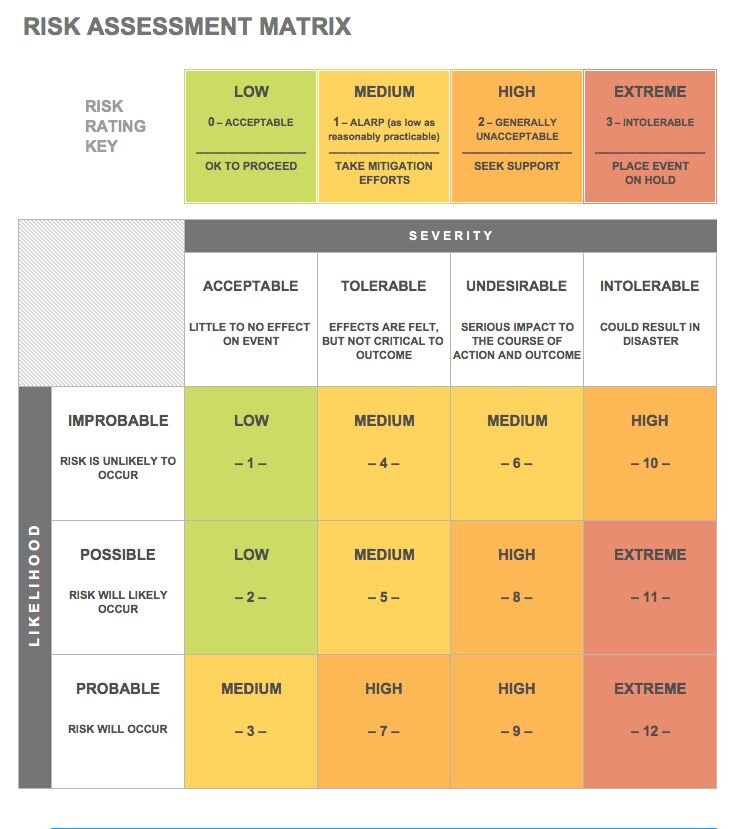
By carefully assessing risk, an insurance company can decide whether to offer a policy and how much to charge for it. Someone living in an area prone to flooding will likely face higher home insurance premiums than someone in a drier location. A driver with a perfect record will get a better price on car insurance than someone with multiple speeding tickets.
Risk assessment allows insurers to charge a fair price that reflects the level of risk they are taking on. It ensures that the pool of money collected from premiums is large enough to cover the claims of those who do suffer a loss. Without it, the entire system of insurance wouldn't be sustainable.
In the context of insurance, what does 'risk' primarily refer to?
Which of the following is an example of a pure risk?
Understanding risk is the first step in seeing how the insurance world works. It's all about managing the uncertainty of life's unexpected events.