Introduction to Instructional Design
Introduction to Instructional Design
What Is Instructional Design?
Instructional design is the art and science of creating effective learning experiences. Think of it as the blueprint for education. Before a house is built, an architect drafts a detailed plan to ensure everything is sturdy, functional, and well-placed. An instructional designer does the same for learning, whether it's for a college course, a corporate training program, or an online tutorial.
Instructional design is the process of planning, structuring, and creating learning experiences so people actually learn and take action, not just consume information.
The main goal is to make learning more efficient, effective, and engaging. Instead of just presenting information and hoping for the best, instructional design uses a systematic approach to analyze what learners need and then builds a structured path to help them achieve their goals. It bridges the gap between where the learner is and where they need to be.
A Quick History
While the principles of teaching are ancient, instructional design as a formal field is relatively new. It gained momentum during World War II, when the military needed to train a large number of soldiers on complex tasks quickly and consistently. Psychologists and educators were brought in to systematize the training process, focusing on breaking down skills and measuring performance.
After the war, these ideas moved into the academic and corporate worlds. The rise of new technologies, from filmstrips to computers and now the internet, has continually shaped the field. Each new tool has provided new ways to deliver and structure learning, but the core principles of understanding learners and designing clear pathways remain the same.
The Building Blocks
Every instructional design project, big or small, is built on three key components: learning objectives, instructional strategies, and assessment methods. Together, they form a cohesive plan.
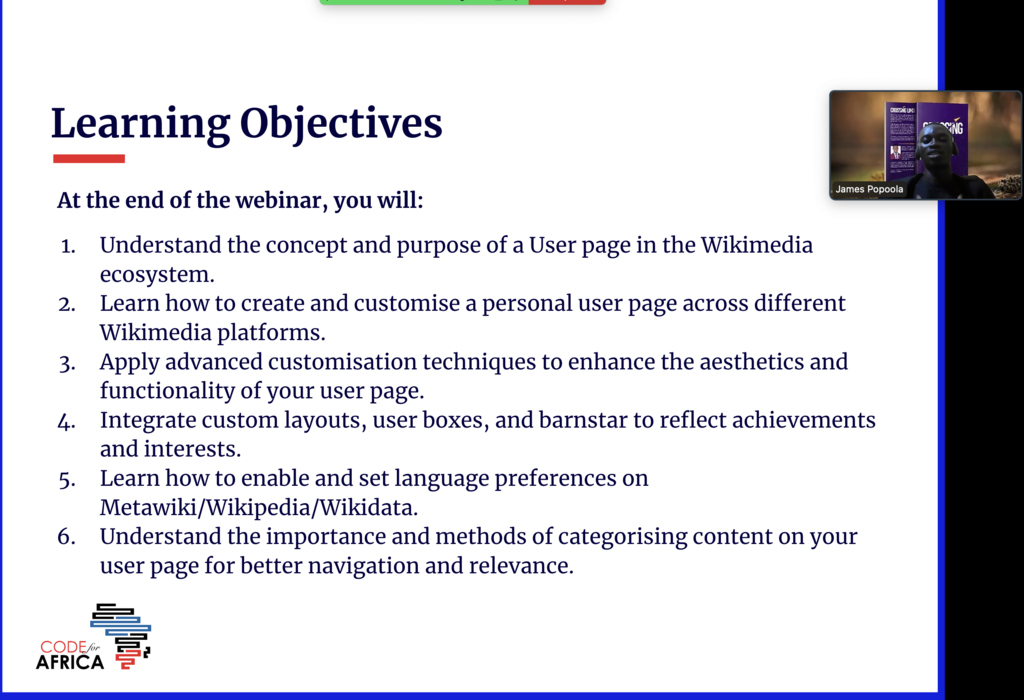
Learning Objectives are clear, specific statements about what a learner should be able to do after completing the instruction. They are the destination. A good objective is action-oriented and measurable. For example, instead of saying "The learner will understand bicycle maintenance," a better objective is "The learner will be able to identify and replace a broken bicycle chain."
Instructional Strategies are the methods and activities used to help learners achieve the objectives. This is the journey. Strategies can include anything from lectures and readings to hands-on activities, group discussions, simulations, and videos. The key is to choose strategies that directly support the learning objectives.
Assessment Methods are the tools used to measure whether the learning objectives have been met. This is how you check if the learner has arrived at the destination. Assessments can be formal, like quizzes and final projects, or informal, like asking questions during a lesson or observing a learner perform a task.
| Component | Question It Answers | Example |
|---|---|---|
| Learning Objectives | What should the learner be able to do? | After this lesson, you will be able to bake a loaf of sourdough bread. |
| Instructional Strategies | How will the learner learn to do it? | Watch a video demonstration, follow a recipe card, and practice kneading dough. |
| Assessment Methods | How will we know the learner can do it? | The learner successfully bakes a loaf of bread that meets quality standards. |
Why It Matters
Instructional design plays a vital role in nearly every setting where learning happens. In schools and universities, it helps teachers create more structured and impactful courses. In the corporate world, it ensures that employee training is relevant, efficient, and improves job performance. For online courses and e-learning, it's the foundation that makes digital education possible and effective.
Without a thoughtful design process, learning can feel random, confusing, and disconnected. By starting with the end in mind (the objectives), choosing the right path (the strategies), and checking for arrival (the assessment), instructional design provides a reliable roadmap for successful learning.
Now, let's check your understanding of these core concepts.
What is the primary goal of instructional design?
The field of instructional design as a formal discipline gained significant momentum during which historical event?
By focusing on a systematic and learner-centered approach, instructional design ensures that education isn't just about delivering information, but about creating real, measurable change in knowledge and skills.