Introduction to Information Technology
Introduction to IT
What Is Information Technology?
At its core, Information Technology, or IT, is about using technology to manage information. Think about all the ways you interact with information daily: streaming a movie, sending an email, checking your bank balance on an app, or even just reading this article. IT is the engine that makes all of that possible.
Information Technology (IT) is the use of computers, communication systems, and electronic devices to collect, store, process, transmit, and share information.
From global corporations to small businesses and individual users, IT provides the tools to handle data effectively and securely. It’s not just about computers; it’s a vast field that includes the networks connecting them and the software running on them.
A Quick Trip Through Time
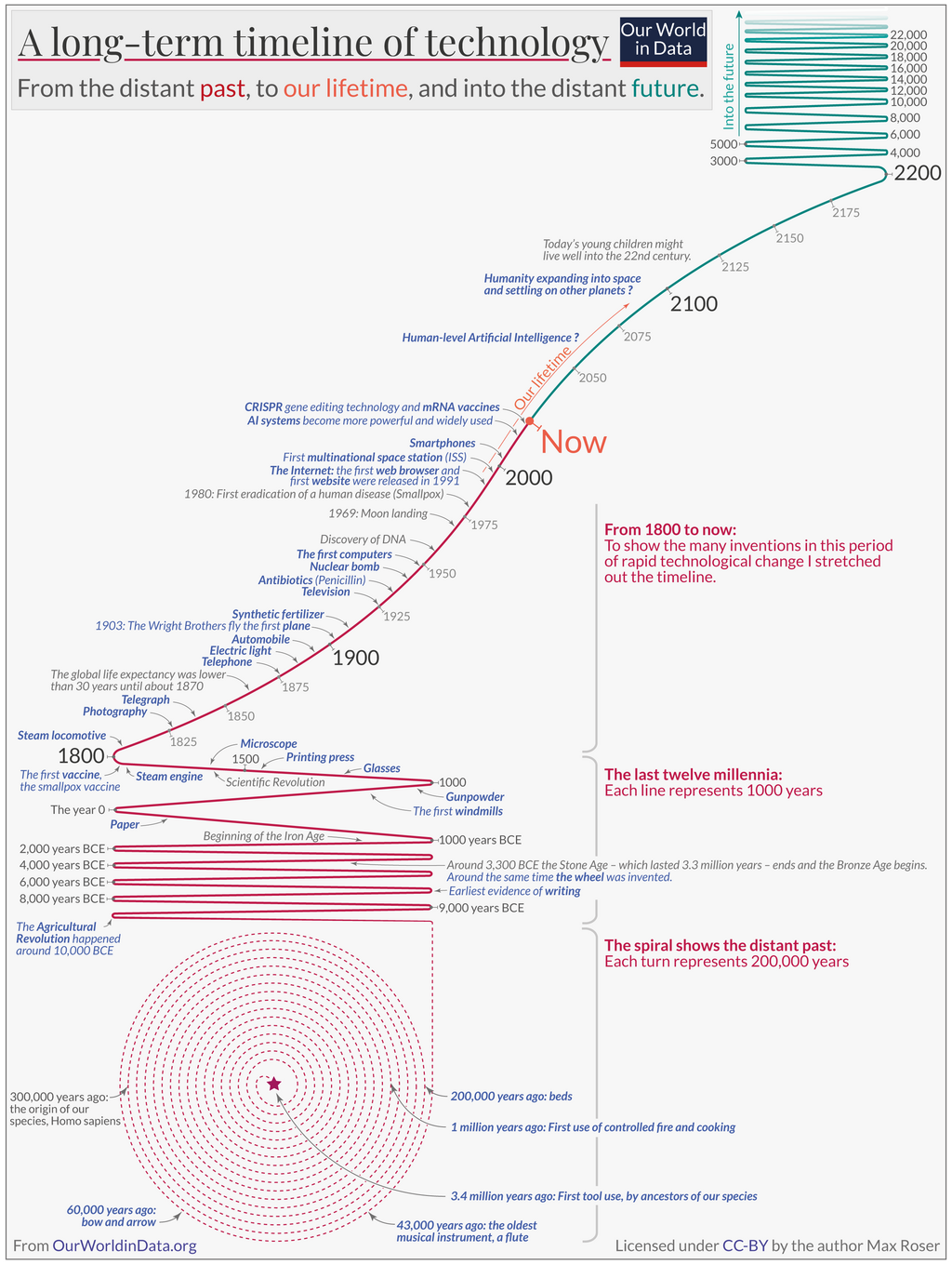
The journey of IT didn't start with the internet. Its roots go back to early mechanical devices designed for calculation. The real revolution began with electronic computers in the mid-20th century. These machines were enormous, filling entire rooms and possessing less computing power than a modern pocket calculator.
The invention of the transistor and later the integrated circuit changed everything. These tiny components allowed computers to become smaller, faster, and cheaper. This led to the personal computer (PC) boom in the 1970s and 80s, bringing computing power into homes and offices. The final piece of the modern puzzle was the internet, which connected these individual computers into a global network, transforming how we communicate, work, and live.
The Core Domains of IT
IT can be broken down into four main areas. While they are distinct, they work together to create the systems we rely on every day. Let's look at each one.
Hardware
noun
The physical components of a computer system. This includes everything you can touch, from the internal parts like the processor and memory to external devices like your keyboard, mouse, and monitor.
Hardware is the foundation. Without it, there would be nothing to run the software or connect to the network.
Software
noun
The set of instructions, data, or programs used to operate computers and execute specific tasks. It tells the hardware what to do. Examples include operating systems (like Windows or macOS), web browsers, and mobile apps.
If hardware is the body, software is the brain and the skills. It’s what makes the physical components useful.
Networking
noun
The practice of connecting computers and other devices together to share data and resources. The internet is the largest example of a network, but smaller ones exist in our homes and offices.
Networking is the communication system. It allows different pieces of hardware and software to talk to each other, whether they're in the same room or on opposite sides of the world.
Data Management
noun
The process of collecting, storing, organizing, protecting, and maintaining an organization's data. This ensures that data is accurate, available, and secure. It involves everything from simple file storage to complex databases.
Data is the information itself. Data management is about making sure this valuable resource is handled properly, so it can be used to generate insights, run applications, and support operations. These four domains are the pillars of the digital world.
What is the primary purpose of Information Technology (IT)?
The IT revolution began with the invention of the internet.