Introduction to Information Technology
Introduction to IT
What Is Information Technology?
At its core, Information Technology (IT) is about using technology to manage information. Think about all the ways we handle information every day: sending an email, streaming a movie, checking a bank balance, or even just looking up a recipe. IT is the engine behind all of it.
Information Technology (IT) is the use of computers, communication systems, and electronic devices to collect, store, process, transmit, and share information.
This involves a whole ecosystem of tools. It's not just the laptop on your desk or the phone in your pocket. It's the vast networks that connect them, the software that runs on them, and the complex systems that keep everything secure and running smoothly. Without IT, the modern world as we know it would grind to a halt.
A Quick Trip Through Time
Computing didn't start with the internet. Its roots go back centuries to mechanical devices designed for calculation. But the real revolution began in the mid-20th century with the first electronic computers. These machines were massive, filling entire rooms, and were used primarily by governments and large research institutions.
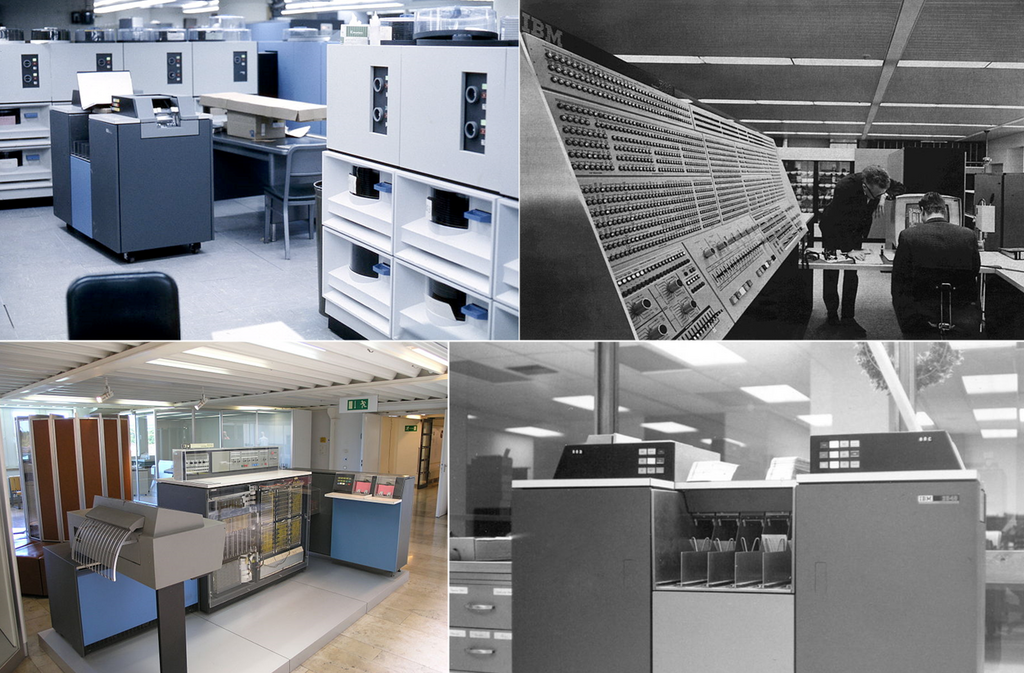
The game changed with the invention of the microprocessor in the 1970s. This tiny chip packed the power of a room-sized computer onto a sliver of silicon, paving the way for the personal computer (PC). Suddenly, computing power was accessible to individuals and small businesses, sparking incredible innovation.
The final piece of the puzzle was the internet. As more computers came online and connected to each other, the world became a much smaller place. Information could be shared instantly across the globe, transforming communication, commerce, and culture forever.
The Core Components
Every IT system, from a simple smartphone to a global corporate network, is built on four fundamental pillars. Understanding these components helps demystify how technology works.
Hardware includes all the physical components you can touch. This ranges from the computer itself (the central processing unit, memory, storage) to peripherals like keyboards, mice, and monitors. It's the tangible foundation of any system.
Hardware
noun
The physical parts of a computer system, such as the processor, memory, and storage devices.
Software is the set of instructions, or programs, that tells the hardware what to do. It’s the intangible part of the system. Software comes in two main flavors: system software (like your operating system, e.g., Windows or macOS) which manages the hardware, and application software (like a web browser or word processor) which performs specific tasks for the user.
Software
noun
The programs and other operating information used by a computer.
Networking is what allows different computer systems to communicate with each other. This can be a small local area network (LAN) in your home or office, or the vast global network we call the Internet. It involves hardware like routers and switches, as well as the protocols that govern how data is sent and received.
Cybersecurity is the practice of protecting all these components—hardware, software, and networks—from theft, damage, or unauthorized access. In an increasingly connected world, cybersecurity is essential for protecting sensitive information and ensuring systems remain reliable and trustworthy.
IT in Every Industry
Information Technology isn't a standalone field; it's a critical tool that has revolutionized virtually every industry. Its impact is felt everywhere.
| Industry | Role of IT |
|---|---|
| Healthcare | Manages electronic health records, powers medical imaging devices, and enables telemedicine. |
| Finance | Secures online banking, processes trillions of $ in daily transactions, and runs algorithmic trading. |
| Retail | Manages inventory with supply chain software, powers e-commerce websites, and analyzes customer data. |
| Entertainment | Creates special effects in movies, distributes music and films through streaming, and develops video games. |
| Education | Delivers online courses, provides access to digital libraries, and facilitates classroom learning with interactive tools. |
From farming to filmmaking, IT helps organizations operate more efficiently, reach broader audiences, and create new products and services. It's the backbone of the modern economy and a key driver of innovation.
This introduction covers the very basics. As you continue, you'll dive deeper into each of these areas, exploring the specific technologies and concepts that make our digital world possible.