Introduction to Information Technology
Introduction to Information Technology
What Is Information Technology?
At its core, Information Technology, or IT, is all about using technology to manage information. Think of it as the entire ecosystem of hardware, software, and networks that we use to create, store, share, and organize data.
Information Technology
noun
The use of computer systems, networks, and software to store, retrieve, transmit, and manipulate data, or information.
This isn't just about fixing computers. IT is the backbone of the modern world. It's the reason you can video chat with someone across the globe, stream a movie on your phone, or instantly access a global library of knowledge. It's the silent force that powers everything from your local coffee shop's payment system to the complex logistics of global shipping companies.
Information technology (IT) refers to the study and use of devices and networks that work with digital information.
A Quick Trip Through Time
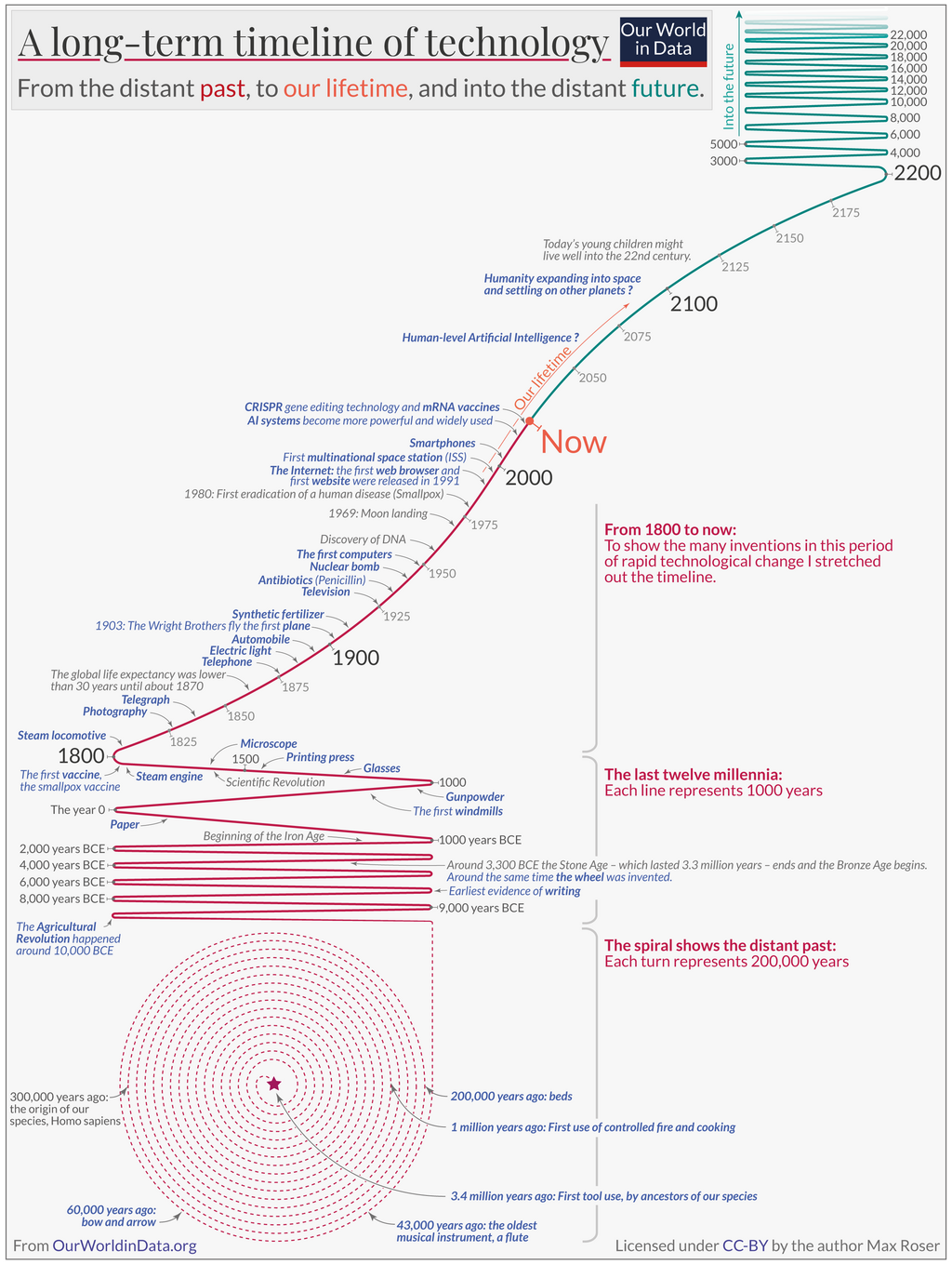
IT didn't just appear overnight. Its roots go back to early calculating machines, but its real growth exploded in the mid-20th century with the invention of the transistor and integrated circuits. Computers that once filled entire rooms now fit in our pockets.
The journey from those massive, specialized machines to personal computers was a huge leap. But the true game-changer was the internet, which connected these devices and created the digital world we live in today. This evolution transformed IT from a tool for large corporations and governments into an essential part of everyday life for billions of people.
IT in Everyday Life
It’s easy to overlook just how much IT shapes our daily routines. Its influence is woven into nearly every industry.
In business, IT drives efficiency. It powers e-commerce platforms, manages supply chains, and enables instant communication through email and collaboration tools. Data analytics, another branch of IT, helps companies understand their customers and make smarter decisions.
Education has been transformed. Students can access online courses from top universities, collaborate on projects in the cloud, and tap into a limitless supply of digital textbooks and research materials. Teachers use IT to create more engaging learning experiences and manage their classrooms more effectively.
In healthcare, IT improves patient care. Electronic health records give doctors instant access to a patient's medical history. Telemedicine allows people in remote areas to consult with specialists, and sophisticated software helps researchers analyze diseases and develop new treatments.
From entertainment and banking to transportation and government, IT is the engine that keeps modern society running.
The fundamental role of IT is to make information available and useful, connecting people, processes, and technology across every field imaginable.
Now that you have a grasp of what IT is and why it's so important, let's test your knowledge.
At its core, what is Information Technology (IT) primarily concerned with?
Which mid-20th century invention was a key catalyst for the massive growth of IT, allowing computers that once filled rooms to eventually fit in our pockets?