Introduction to IGBTs
Introduction to Power Electronics
What Is Power Electronics?
At its heart, power electronics is about controlling and converting electrical power. Think of it as a sophisticated traffic control system for electricity. It takes electrical energy in one form and efficiently changes it into another form, making sure as little energy as possible is wasted as heat.
Why is this so important? Nearly every modern device needs a specific type of electricity to work. Your laptop can't use the high-voltage alternating current (AC) from your wall outlet directly; it needs low-voltage direct current (DC). Power electronics handles that conversion inside the charging brick. This field is the key to energy efficiency, from saving battery life on your phone to integrating renewable energy sources like solar and wind into the electrical grid.
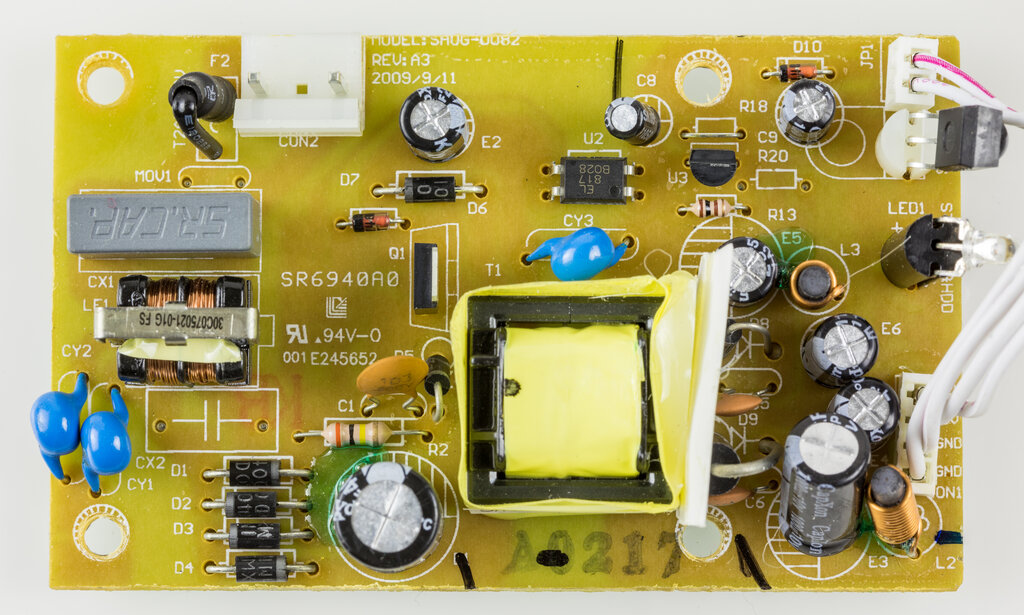
The Building Blocks
The magic of power electronics happens inside semiconductor devices. These are not mechanical switches with moving parts. Instead, they are solid-state components that can turn on and off millions or even billions of times per second. By precisely controlling when these switches open and close, we can shape and transform electrical power.
There are several key types of these electronic switches, each with its own role.
| Component | Basic Function | Analogy |
|---|---|---|
| Diode | Allows current to flow in only one direction. | A one-way valve or a turnstile. |
| Transistor | Acts as a switch or an amplifier for a signal. | A fast-acting, controllable faucet. |
| Thyristor | A switch that stays on once it's triggered. | A light switch that latches in the 'on' position. |
These components are the fundamental tools used to build the circuits that power our world. Different combinations and arrangements allow engineers to design converters, inverters, and regulators for countless applications.
Powering the Modern World
You interact with power electronics every day. That small block that charges your phone is a power converter. The system that controls the speed of an electric vehicle's motor is a sophisticated power electronic drive. Solar panels generate DC power, but our homes use AC; a device called an inverter, full of power electronics, makes that conversion possible.
By switching at high speeds, these devices can create any desired output voltage or current waveform from an input source. This precise control is what enables everything from stable power grids to the variable-speed motors in blenders and industrial machinery.
This was a brief introduction to the field. In the articles that follow, we'll dive deeper into specific components, starting with one of the most versatile and powerful transistors used today: the Insulated Gate Bipolar Transistor, or IGBT.