Introduction to Human Resources Management
Introduction to Human Resources
What Is Human Resources?
At its heart, Human Resources (HR) is the division of a company that manages its people. Think of it as the central hub for everything related to the employee lifecycle, from the moment someone is hired until their last day. The core purpose of HR is to maximize employee performance in service of an employer's strategic objectives.
In simple sense, human resources management means employing people, developing their resources, utilizing, maintaining and compensating their services in tune with the job and organizational requirements with a view to contribute to the goals of the organization, individual and the society.
This involves more than just administrative tasks. HR is responsible for nurturing a company's most valuable asset: its people. A well-run HR department helps build a positive work environment, ensures fair treatment, and provides employees with the tools they need to succeed. This, in turn, helps the organization achieve its goals.
From Personnel to Strategic Partner
The role of HR has changed dramatically over the years. What started as the "Personnel Department"—a function focused primarily on paperwork, payroll, and enforcing company rules—has evolved into a strategic partner in the business.
Historically, personnel departments were administrative. They kept records, processed paychecks, and handled the hiring paperwork. Their role was reactive, dealing with issues as they arose.
Today, modern HR is proactive. HR leaders sit at the executive table, helping to shape long-term business strategy. They analyze workforce trends, develop talent pipelines, and build a company culture that attracts and retains top performers. Instead of just managing rules, strategic HR helps an organization adapt to change, innovate, and grow.
Core Functions of HR
While the strategic role is crucial, HR still manages several essential functions that keep the organization running smoothly. These are the foundational pillars of any HR department.
| Function | Description |
|---|---|
| Recruitment & Staffing | Finding, interviewing, and hiring new employees to fill roles within the organization. |
| Compensation & Benefits | Managing salaries, wages, bonuses, and benefits like health insurance and retirement plans. |
| Employee Relations | Mediating disputes, addressing employee concerns, and fostering a positive relationship between management and staff. |
| Performance Management | Creating systems to evaluate and manage employee performance, including reviews and feedback. |
| Training & Development | Providing opportunities for employees to learn new skills and grow professionally. |
| Compliance | Ensuring the company follows all federal, state, and local employment laws and regulations. |
Each of these functions is interconnected. For example, a good compensation plan helps with recruitment, and effective training can improve performance management outcomes.
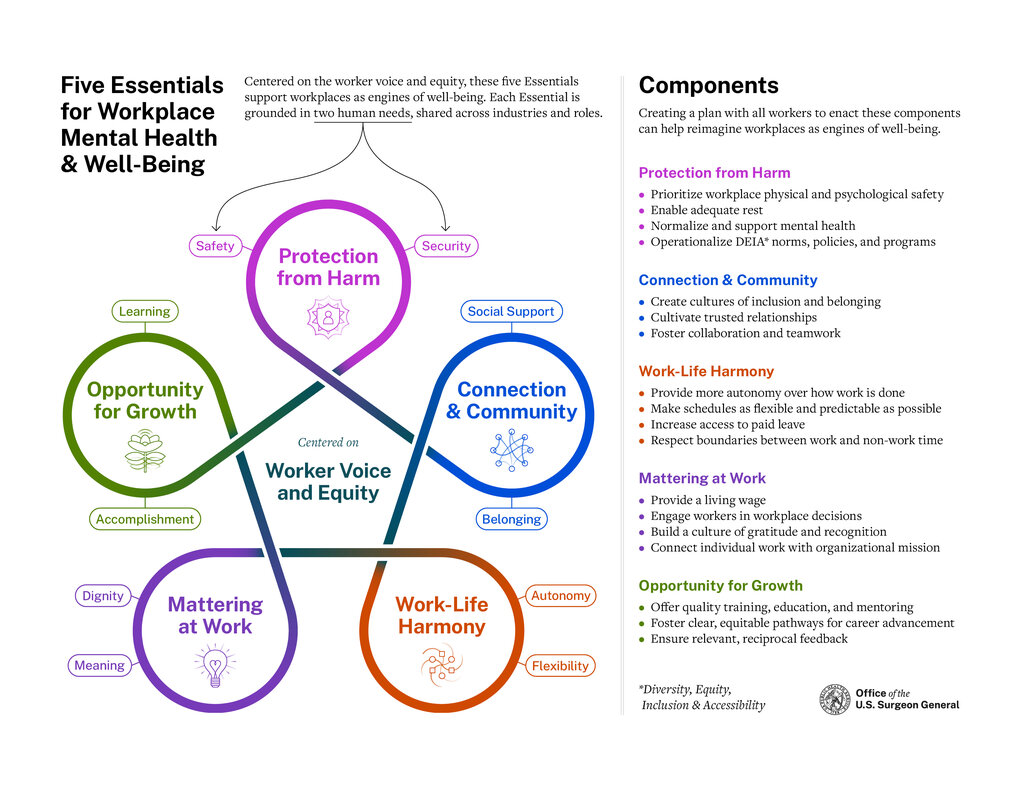
Ultimately, HR's job is to create a system where both the employees and the organization can thrive. By balancing the needs of the individual with the goals of the business, HR plays a vital role in building a resilient, effective, and successful company.
What is the core purpose of Human Resources in an organization?
How does modern, strategic HR primarily differ from the historical 'Personnel Department'?