Introduction to Human Resources
Introduction to Human Resources
What Is Human Resources?
Human Resources, or HR, is the part of a business that manages its most important asset: its people. Think of it as the hub for everything related to the employee journey, from the first interview to the last day on the job.
Human Resources (HR) is division of a business responsible for managing the employee lifecycle — from hiring and onboarding to training, performance management, and offboarding.
The main purpose of HR is to maximize employee productivity and protect the company from any issues that may arise within the workforce. It ensures that the company has a skilled and motivated team that can help it achieve its goals. This involves attracting the right talent, helping them grow, and creating a positive and productive work environment where they can thrive.
From Paperwork to Strategy
HR hasn't always been a strategic powerhouse. Decades ago, it was known as the "personnel department," a purely administrative office that handled payroll, enforced rules, and filed paperwork. Its role was reactive, dealing with problems as they came up.
Over time, business leaders realized that people aren't just cogs in a machine. A company's success depends directly on the talent, engagement, and culture of its workforce. This insight transformed HR. It evolved from a back-office function into a strategic partner that sits at the leadership table. Today, modern HR professionals help shape the company's direction, build a competitive culture, and plan for future workforce needs. They use data to make informed decisions about everything from hiring to leadership development.
The Core Functions
While the strategic role of HR has grown, it still manages several essential functions that keep the organization running smoothly. These are the pillars of its day-to-day work.
| Function | What It Is |
|---|---|
| Recruitment & Staffing | Finding, interviewing, and hiring new employees to fill roles in the company. |
| Training & Development | Onboarding new hires and providing ongoing opportunities for employees to learn new skills and advance their careers. |
| Performance Management | Creating systems to track, assess, and improve employee performance, often through regular feedback and reviews. |
| Compensation & Benefits | Designing and managing salary structures, bonuses, health insurance, retirement plans, and other forms of employee compensation. |
| Employee Relations | Mediating disputes, fostering a positive work environment, and acting as a bridge between employees and management. |
| Compliance | Ensuring the company follows all local, state, and federal labor laws and regulations to avoid legal risks. |
These functions don't operate in isolation. They are interconnected and work together to support the entire employee lifecycle and, ultimately, the success of the organization.
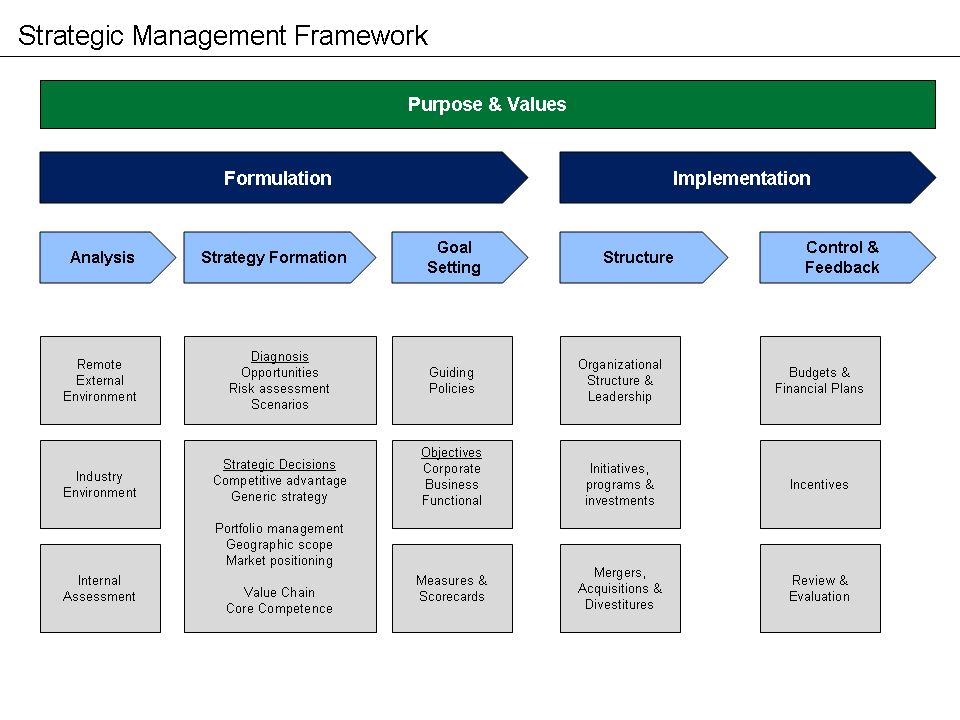
Effective HR aligns all its core functions with the company's long-term goals, ensuring that its people strategy supports its business strategy.
Now, let's check your understanding of these foundational concepts.
What is the primary purpose of a modern Human Resources department?
How has the role of HR evolved over the past several decades?
Understanding these key areas provides a solid foundation for exploring the more complex and strategic aspects of Human Resources.