Introduction to Human Resource Development
Introduction to HRD
What is Human Resource Development?
Human Resource Development, or HRD, is the framework for helping employees develop their personal and organizational skills, knowledge, and abilities. Think of it as a company's commitment to growing its own timber. Instead of just hiring people for what they can do today, HRD focuses on what they can become tomorrow.
The main goal is to build a more capable and motivated workforce. When employees learn and grow, they become more effective in their roles. This directly boosts the company's overall performance. HRD aims to align employee growth with the organization's strategic goals, creating a situation where everyone wins. The employee gains new skills and career opportunities, while the organization gets a more competent and engaged team.
Ultimately, HRD is about investing in people to enhance performance at the individual, team, and organizational levels.
The Pillars of HRD
HRD isn't just one single activity. It's a combination of several related functions that work together to foster growth. We can break it down into three key components.
Human resources plays a pivotal role in fostering employee growth and development.
1. Training and Development This is the most visible part of HRD. Training focuses on improving an employee's skills and knowledge for their current job. For example, a new sales representative might receive training on the company's products. Development is broader and more long-term. It prepares employees for future responsibilities, such as a leadership program for promising team members.
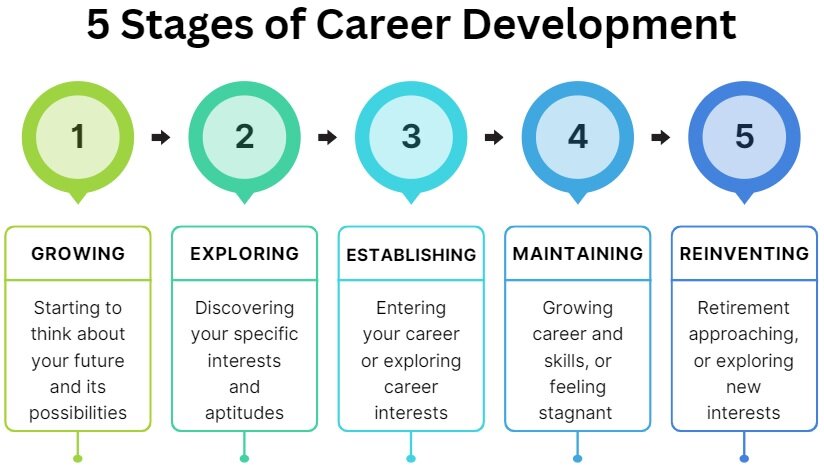
2. Career Development This component helps employees map out their professional journey within the organization. It involves planning and managing their career progression. Career development isn't just about climbing the ladder; it's about finding the right path for each individual. This might include promotions, moving to different departments, or deepening expertise in a specific area. It's a partnership between the employee, who owns their career, and the organization, which provides support and opportunities.
3. Organizational Development This is the widest pillar of HRD. Organizational Development (OD) focuses on improving the entire company's effectiveness and health. It's not about training a single person but about changing the system they work in. OD initiatives might include improving communication between departments, managing large-scale changes like a merger, or fostering a more innovative company culture. It uses knowledge from behavioral science to help the organization adapt and thrive.
Organizational Development
noun
A planned, organization-wide effort to increase an organization's effectiveness and viability. OD interventions are designed to improve organizational performance and the well-being of its members.
Together, these three components create a comprehensive approach to nurturing talent. By focusing on training, career paths, and the overall organizational environment, HRD builds a foundation for sustained success.