Introduction to Human Physiology
Cellular Foundations
The Cell: Life's Building Block
Every living thing, from the smallest bacterium to the largest whale, is made of cells. They are the fundamental units of life, the tiny engines that power every process in your body. Think of them as microscopic bricks that, when put together, build tissues, organs, and entire organisms like you.
Each cell is a self-contained, living entity, capable of taking in nutrients, converting them into energy, and carrying out specialized functions.
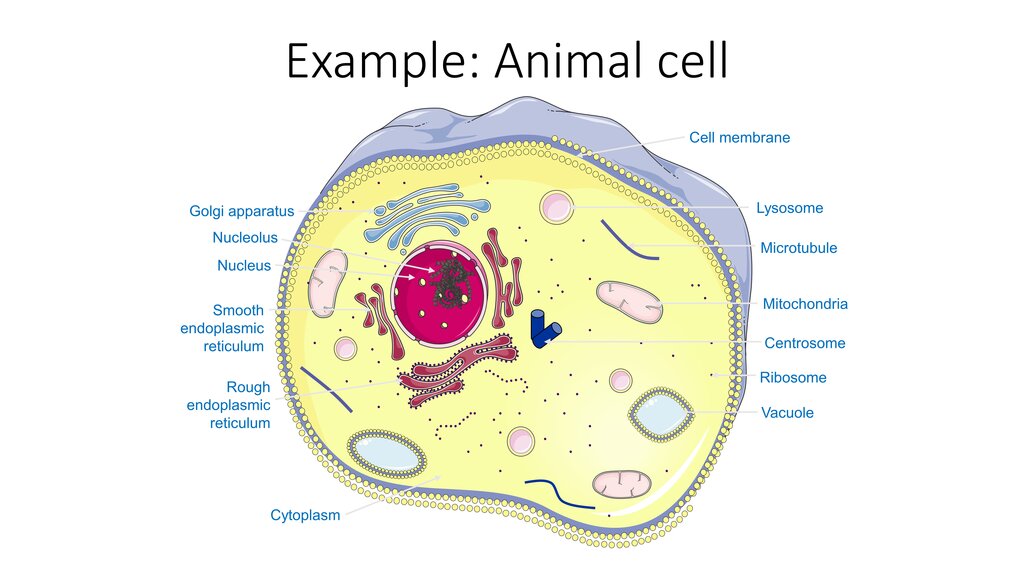
While there are many types of cells, most share a common basic structure. Let's take a look inside a typical animal cell to see what it's made of.
A Tour of the Organelles
organelle
noun
A specialized subunit within a cell that has a specific function.
Just like a factory has different departments, a cell has various organelles, each with a specific job. The jelly-like substance filling the cell is called the cytoplasm, and it holds all these tiny structures in place.
The entire cell is enclosed by the cell membrane, a flexible barrier that controls what enters and leaves. It's like the cell's security guard.
At the heart of the cell is the nucleus, which acts as the control center. It contains the cell's genetic material, DNA, which holds the instructions for everything the cell does.
Other key organelles have crucial roles:
| Organelle | Function |
|---|---|
| Mitochondria | The powerhouses. They generate most of the cell's supply of adenosine triphosphate (ATP), used as a source of chemical energy. |
| Ribosomes | The protein factories. They follow instructions from the nucleus to build proteins. |
| Endoplasmic Reticulum | Helps process molecules created by the cell and transports them to their final destinations. |
| Golgi Apparatus | Packages proteins and other materials from the endoplasmic reticulum for storage or transport out of the cell. |
Fueling the Cell
Cells need a constant supply of energy to function, and they get it through a process called cellular respiration. This is how cells convert the nutrients from food, primarily glucose, into usable energy in the form of ATP.
This process mainly occurs in the mitochondria. In simple terms, the cell takes in glucose and oxygen and, through a series of chemical reactions, releases energy, water, and carbon dioxide.
Every time you breathe in, you're supplying your cells with the oxygen they need for this vital process. When you breathe out, you're getting rid of the carbon dioxide produced as a waste product.
Building and Dividing
Beyond making energy, cells are constantly building essential molecules, especially proteins. Proteins are the workhorses of the cell; they act as enzymes, provide structural support, and perform countless other tasks. This process, called protein synthesis, starts with the DNA in the nucleus. A copy of a DNA segment (a gene) is made, which is then sent to a ribosome. The ribosome reads these instructions and assembles the protein.
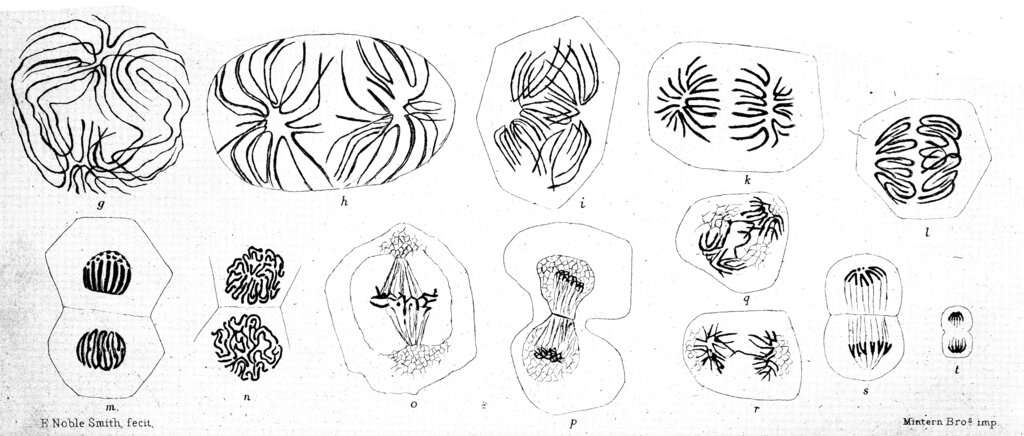
Cells also need to reproduce for growth, repair, and replacement. This happens through cell division, a process where one parent cell divides to form two new daughter cells. Before dividing, the cell makes a complete copy of its DNA, ensuring that each new cell receives an identical set of genetic instructions.
This cycle of growth and division is fundamental to life, allowing a single fertilized egg to develop into a complex organism and enabling your body to heal a cut or replace old skin cells.
Understanding these basic cellular functions is the first step in seeing how the entire human body works. Each process, from generating energy to building proteins, is a small but essential piece of the much larger puzzle of life.
Which organelle is known as the 'control center' of the cell because it contains the genetic material (DNA)?
The process by which cells convert glucose and oxygen into usable energy (ATP) is called: