Introduction to Human Centered Design
Introduction to Human-Centered Design
What is Human-Centered Design?
Human-Centered Design, or HCD, is a way of solving problems that starts with people. Instead of building a product and then hoping people will like it, HCD flips the script. It focuses on understanding the needs, behaviors, and feelings of the individuals who will actually use the solution.
At its core, HCD is about creating things that are not just functional, but also intuitive, enjoyable, and genuinely helpful.
Think about a beautifully designed app that you find effortless to use. It seems to know exactly what you want to do next. That's likely the result of HCD. On the other hand, think of a door that you always push when you're supposed to pull. That's a classic example of a design that ignored the user's natural instincts.
By putting people at the center of the process, we can avoid creating frustrating experiences. HCD leads to products and services that fit seamlessly into our lives, solving real problems without creating new ones. It’s the difference between a tool that works for you and a tool you have to work to understand.
The Guiding Principles
HCD isn't just a vague idea; it's guided by a few key principles. These aren't rigid rules but rather a mindset that shapes the entire creative process.
Empathy
noun
The ability to understand and share the feelings of another person from their perspective.
Empathy is the foundation. It’s about more than just asking people what they want. It’s about observing their behavior, listening to their stories, and trying to see the world through their eyes. By developing a deep understanding of their challenges and motivations, we can uncover needs they might not even be able to articulate themselves.
The next principle is collaboration. Great ideas rarely come from a single person working in isolation. HCD brings together people with diverse backgrounds and skills—designers, engineers, business experts, and, most importantly, the users themselves. This mix of perspectives sparks creativity and helps ensure the solution is well-rounded.
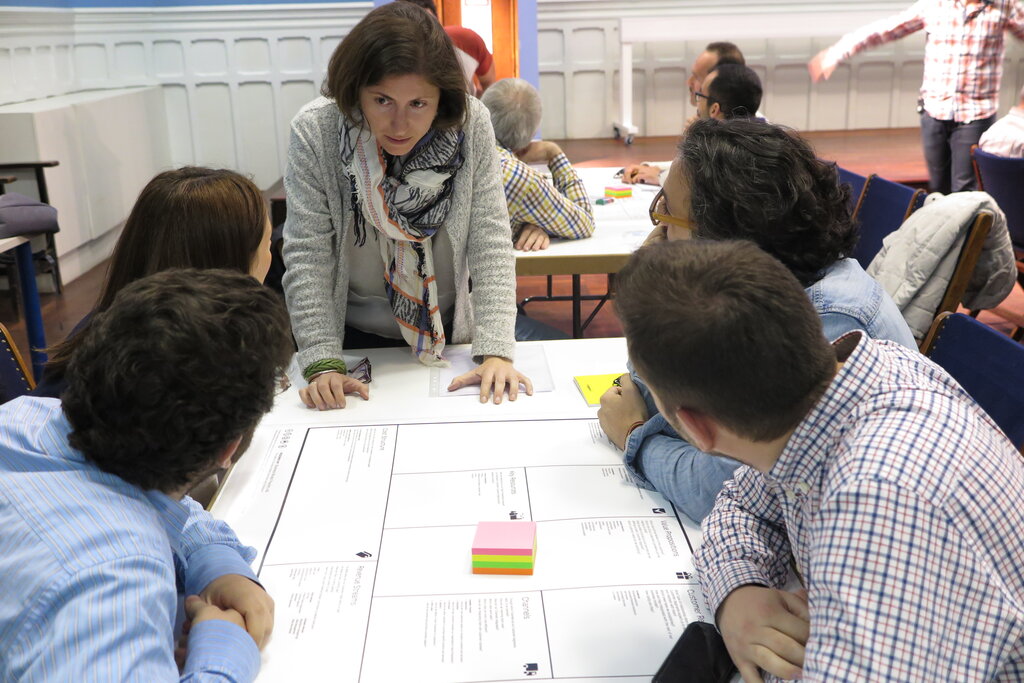
Iteration is also crucial. The goal isn't to get everything perfect on the first try. Instead, HCD embraces a cycle of building, testing, and learning. Teams create simple prototypes, get feedback from users, and then use that feedback to refine their ideas. This process is repeated, with each cycle bringing the solution closer to what users truly need.
Finally, HCD is built on constant user involvement. Users aren't just a source of information at the beginning of a project. They are active partners throughout the entire design process. From initial research to testing prototypes and providing feedback, their input ensures the final product is relevant and valuable.
By embracing these principles, teams can move beyond their own assumptions and create solutions that are truly centered on the people they're meant to serve.
What is the primary philosophy of Human-Centered Design (HCD)?
Which principle of HCD involves observing users and listening to their stories to understand their challenges, even ones they can't articulate themselves?