Introduction to Horticulture
Introduction to Horticulture
What is Horticulture?
Horticulture is the art and science of growing plants. It's a broad field that covers everything from cultivating a small herb garden on your windowsill to managing a massive commercial orchard. While agriculture often deals with large-scale field crops like wheat and corn, horticulture focuses on plants that require more intensive management: fruits, vegetables, flowers, and ornamental shrubs and trees.
Horticulture
noun
The science and art of the development, sustainable production, marketing, and use of high-value, intensively cultivated food and ornamental plants.
Think of it as plant cultivation on a human scale. It involves both the practical skills of growing and the scientific knowledge of plant physiology, genetics, and ecology. Whether you're breeding a new type of rose or designing a public park, you're practicing horticulture.
Why Plants Matter
Horticulture is vital to our societies. On the most basic level, it feeds us. The fruits and vegetables in our grocery stores are the products of careful cultivation. But its importance goes far beyond the dinner plate.
Plants enrich our lives and environment. Public parks, home gardens, and tree-lined streets improve our mental and physical well-being. They provide spaces for recreation, reduce stress, and connect us with nature. Environmentally, plants are powerhouses. They produce oxygen, filter air pollutants, reduce soil erosion, and provide habitats for wildlife.
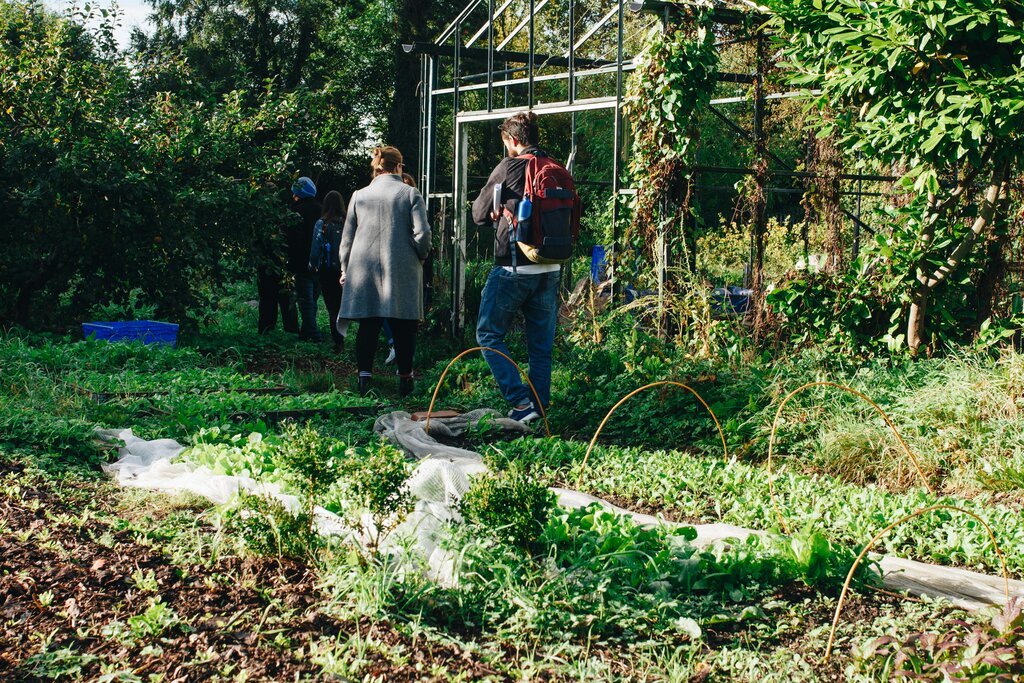
The simple act of cultivating plants has a ripple effect, contributing to healthier people, a healthier planet, and more beautiful communities.
The Main Branches
Horticulture is diverse, so it's often broken down into several specialized areas. Understanding these branches helps to see the full scope of the field. Here are the four main categories.
| Branch | Focus | Examples |
|---|---|---|
| Pomology | Fruit and nut crops | Apples, strawberries, almonds, walnuts |
| Olericulture | Vegetable crops | Tomatoes, lettuce, carrots, potatoes |
| Floriculture | Flowers and ornamental plants | Cut flowers, bedding plants, houseplants |
| Landscape Horticulture | Design and maintenance of outdoor spaces | Parks, home gardens, golf courses, public squares |
While these branches are distinct, they often overlap. A landscape horticulturist might incorporate fruit trees (pomology) and vegetable beds (olericulture) into a garden design, for instance.
A Career in Green
The horticulture industry is a major part of the global economy, offering a wide range of career opportunities. It's not just about farming and gardening. The field requires scientists, designers, managers, and educators.
As interest grows in sustainable food systems, urban greening, and conservation, the demand for skilled horticulturists is on the rise. It’s a field where you can combine a passion for plants with science, technology, and business.
Career paths in horticulture include landscape designer, greenhouse manager, plant breeder, arborist, urban farmer, research scientist, and floral designer.
Now let's review what you've learned about this foundational field.
What is the primary difference between horticulture and agriculture?
A specialist who cultivates and studies vegetables like tomatoes, lettuce, and carrots is practicing which branch of horticulture?
Horticulture is a diverse field that connects us to the food we eat, the landscapes we live in, and the natural world around us.