Introduction to History
Introduction to Historical Study
More Than Just Dates
History is often mistaken for a long list of dates, names, and battles to memorize. But it's much more than that. At its core, history is the story of change over time. It’s a detective story on a grand scale, asking questions like: How did we get here? Why are our societies structured the way they are? What motivated people in the past to make the choices they did?
History isn't just about the past; it's about understanding the forces that have shaped our present world.
Think of it as the collective memory of humanity. Without it, we would be like a person with amnesia, unaware of our own experiences, relationships, and identity. Studying history allows us to understand the roots of cultures, ideas, conflicts, and technologies that define our lives today.
The Historian's Role
If history is a story, then historians are its storytellers. But they don't just make things up. Their job is to be a detective, an interpreter, and a narrator all in one. They sift through evidence from the past—like letters, diaries, photographs, artifacts, and government records—to piece together what happened and why.
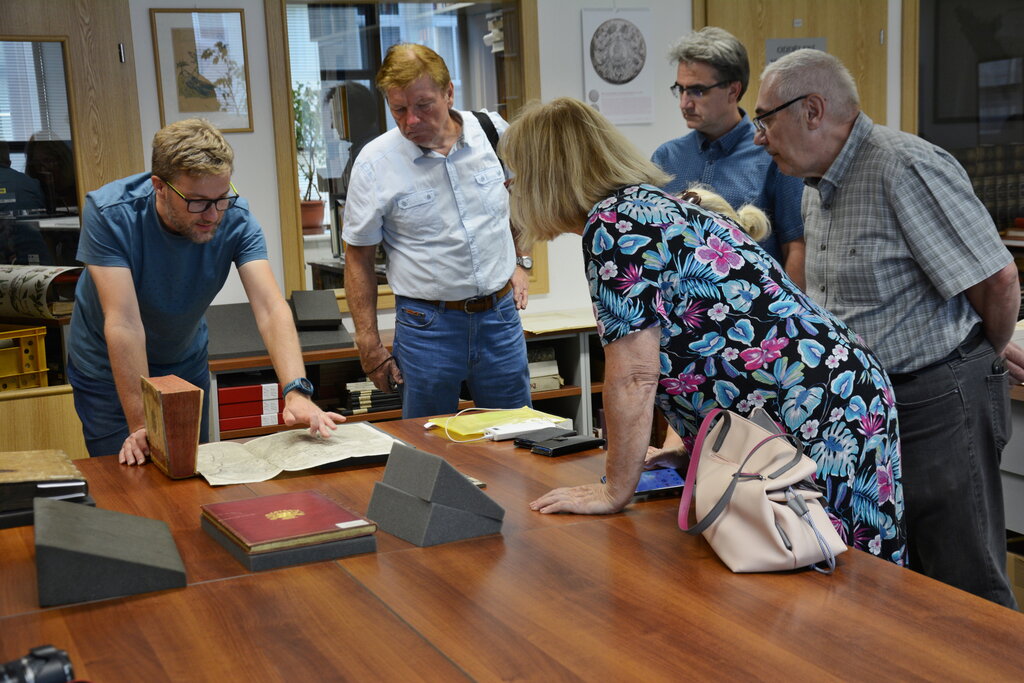
A historian's work is to analyze these sources, look for patterns, and construct a coherent narrative that explains events. They don't just report facts; they interpret them to understand the motivations, causes, and consequences of human actions. This process helps us see the past not as a series of random events, but as a complex web of interconnected stories.
historian
noun
An expert in or student of history, especially one who writes about it.
Connecting Past and Present
Why should we care about events that happened long ago? Because the past is never truly past. The world we live in is a direct product of historical events. The language you speak, the laws of your country, and even the food you eat have historical roots. Understanding this connection is called historical consciousness.
Historical consciousness is the awareness that our present is built upon the foundations of the past, and that our actions today will shape the future.
For example, understanding the history of the Civil Rights Movement in the United States is essential to comprehending current discussions about racial justice. Knowing about the Industrial Revolution helps explain modern economic systems and environmental challenges. By studying these connections, we gain a deeper appreciation for the complexities of today's world.
History isn’t a collection of isolated facts—it’s an interconnected web of human decisions, cultural movements, economic forces, and technological changes.
Studying history also builds empathy. By stepping into the shoes of people from different times and places, we can better understand their perspectives, struggles, and achievements. This helps us recognize our shared humanity and appreciate the diversity of human experience. It equips us to be more informed citizens, capable of making thoughtful decisions about the future.
According to the text, what is the core purpose of studying history?
A historian's job is best described as being similar to a...
Ultimately, the study of history gives us context for our lives and the world we inhabit.