Introduction to Hinduism
Origins of Hinduism
Before the Vedas
Unlike many other major religions, Hinduism doesn't have a single founder or a specific starting point. Its roots stretch back thousands of years, deep into the history of the Indian subcontinent. To find the earliest traces, we have to look to the Indus Valley Civilization, which flourished around 4,500 years ago in what is now modern-day Pakistan and northwest India.
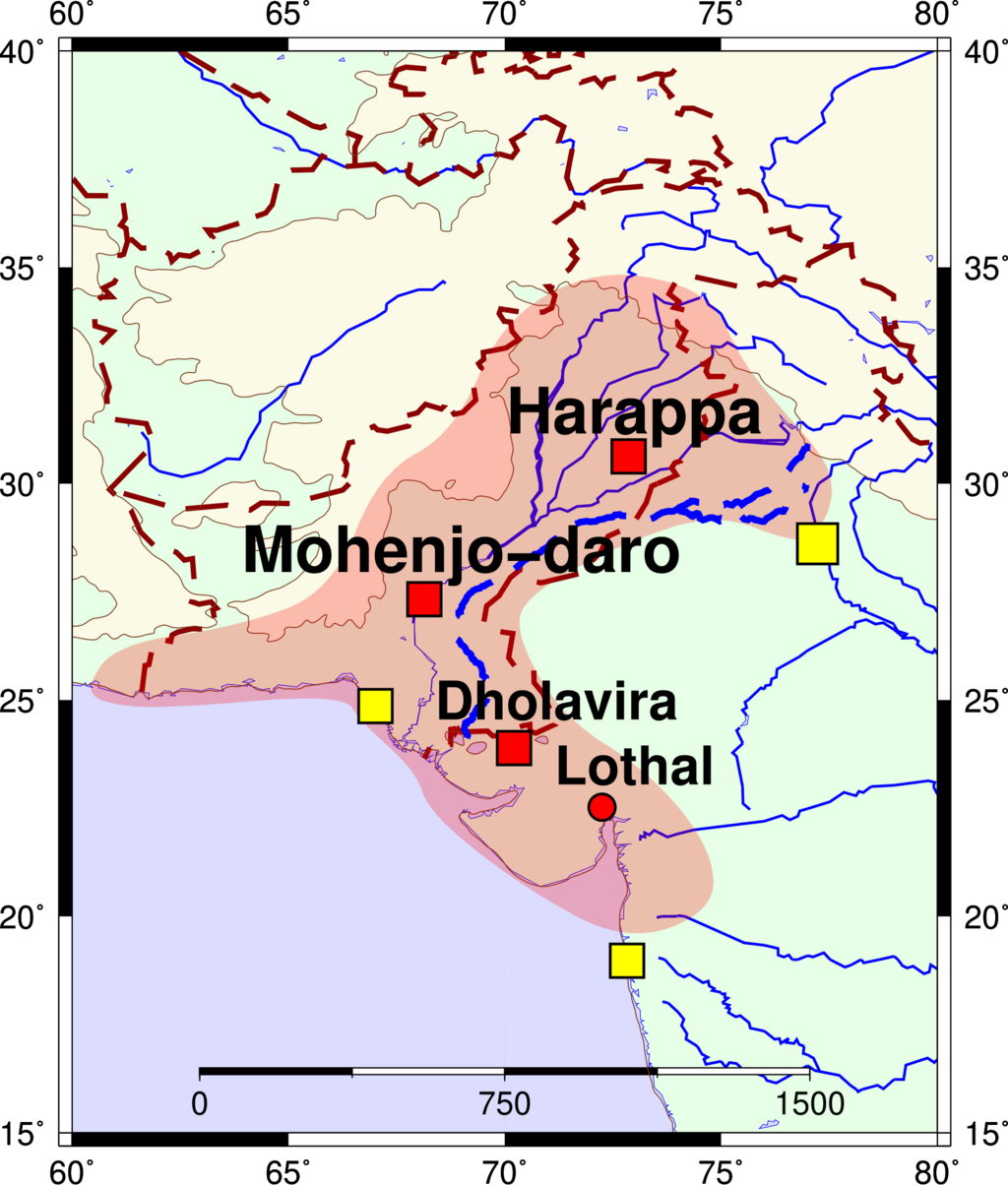
Archaeologists have uncovered fascinating clues from cities like Harappa and Mohenjo-daro. They found seals depicting figures that some scholars believe are early forms of Hindu deities. One famous seal shows a seated figure in a posture resembling yoga, surrounded by animals. This has been interpreted as a prototype of the god Shiva in his role as Pashupati, the lord of beasts.
They also found terracotta figurines of female figures, suggesting the worship of a mother goddess, a practice that continues in many forms of Hinduism today. Ritual bathing also seems to have been important, indicated by the construction of large public baths like the Great Bath at Mohenjo-daro. While we can't be certain, these practices hint at a spiritual life that laid some of the groundwork for what was to come.
The Age of Hymns
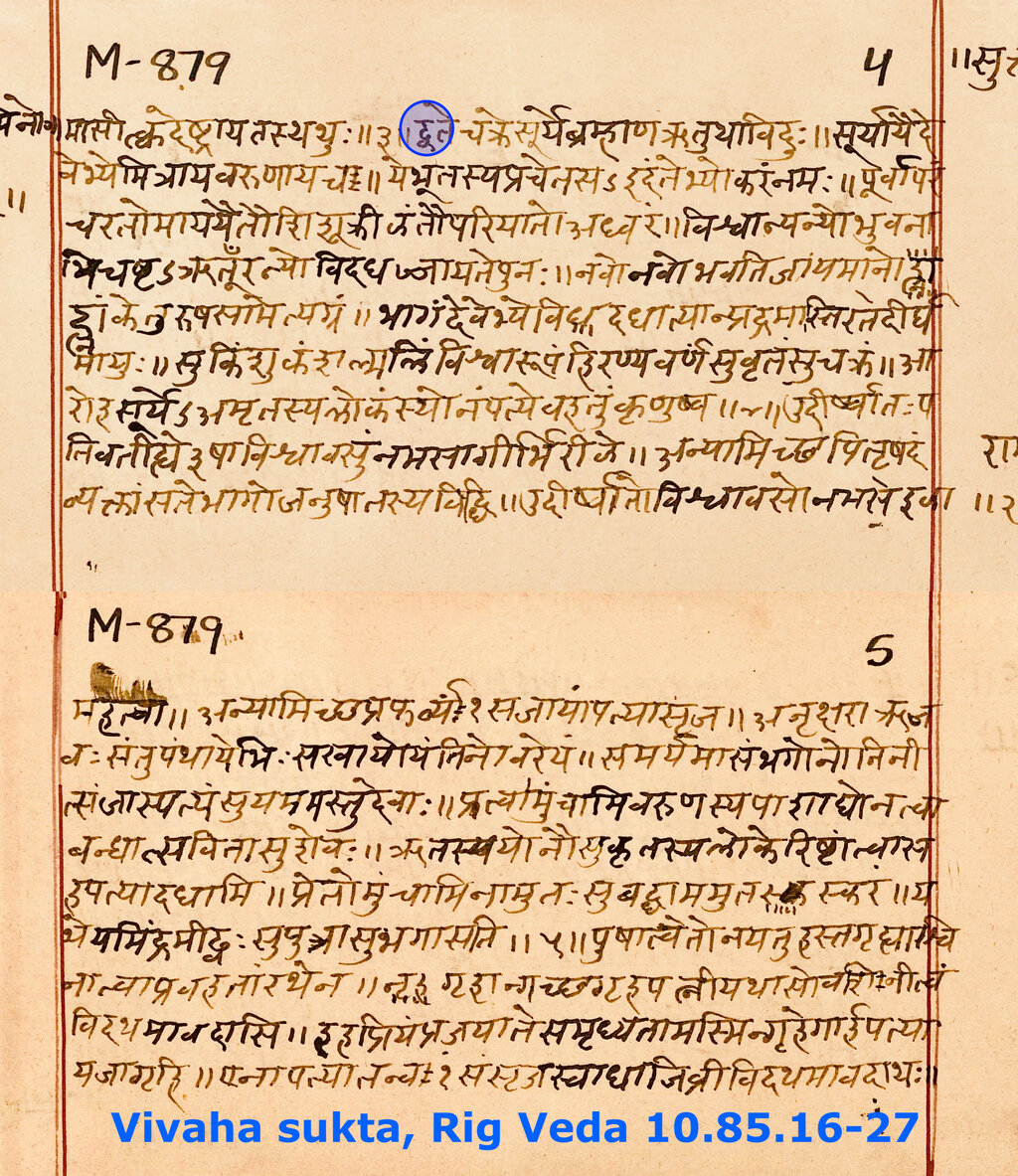
Around 1500 BCE, a new chapter began with the arrival of Indo-Aryan peoples. This marked the start of the Vedic Period, named after the Vedas, the oldest scriptures of Hinduism. These texts weren't written down at first; they were composed as sacred hymns and passed down orally from generation to generation by priests.
The Vedas are a collection of four main texts. The oldest and most important is the Rigveda, a collection of over a thousand hymns praising various gods and goddesses who often personified natural forces like fire (Agni), the sun (Surya), and storms (Indra).
Life during the early Vedic period revolved around rituals and sacrifices, known as yajna. These ceremonies were performed by Brahmin priests to honour the gods, ensure cosmic order, and ask for blessings like prosperity, health, and victory in battle. The focus was very much on the external, ritualistic side of religion. The correct performance of these rites was considered essential for maintaining balance in the universe.
From Ritual to Reflection
Over hundreds of years, the Vedic tradition began to shift. The later Vedic period saw a move away from purely external rituals towards a deeper philosophical inquiry. Thinkers began to ask more profound questions: What is the ultimate reality? What is the nature of the self? What is the connection between the two?
This shift in focus didn't happen overnight. It was a gradual evolution documented in the later parts of the Vedas, particularly in the texts known as the Upanishads. While the early hymns were about pleasing the gods, these later texts were about understanding the very fabric of existence.
This intellectual curiosity marked a major turning point, moving from what people did in their religion to what they understood about it.
Two concepts became central to this new wave of thought: Brahman and Atman. These ideas would become the bedrock of Hindu philosophy.
Brahman
noun
The ultimate, unchanging reality that exists beyond the world of appearances. It is seen as the divine ground of all being, the source from which everything arises and to which everything returns.
Atman
noun
The individual self or soul. In Hindu thought, it is the true, innermost self that is distinct from the ego, the mind, and the physical body.
The great insight of the Upanishadic sages was that Atman and Brahman were not separate. They proposed that the individual soul (Atman) is, in its deepest essence, identical to the ultimate reality (Brahman). This idea of unity became a central goal of spiritual life: to realise this connection and achieve liberation from the cycle of rebirth. This marked a profound shift from seeking favour from the gods to seeking self-realisation and ultimate knowledge.
Ready to check your understanding?
Unlike many other major world religions, Hinduism is not traced back to a single, specific founder.
Archaeological findings from the Indus Valley Civilization, such as the 'Pashupati' seal, suggest early forms of worship related to which Hindu deity?